
From Flat Images to True Form: How SICK’s Nova Platform Is Bringing AI to 3D Inspection
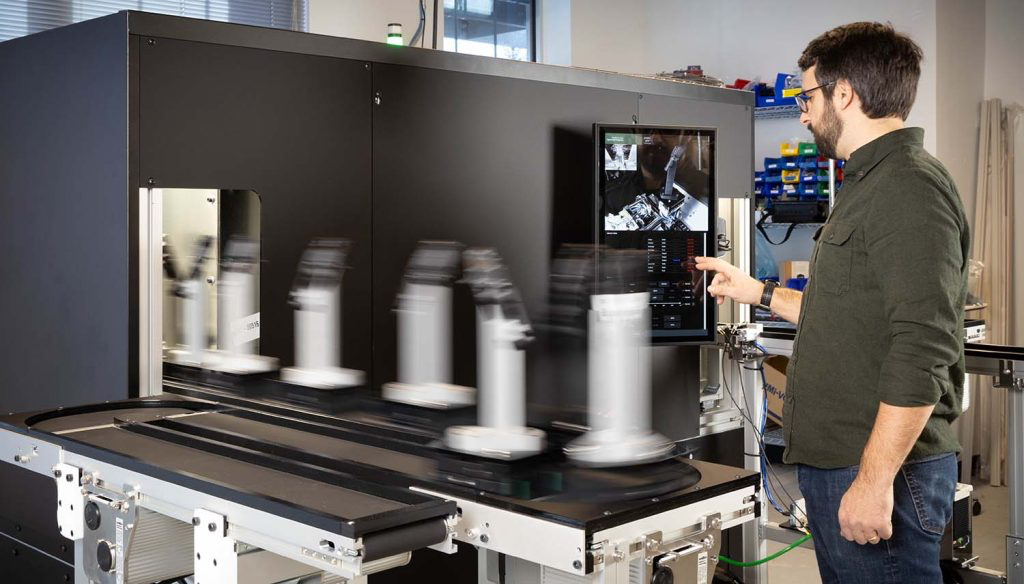
Metrology and quality teams have spent years chasing a specific problem: how do you reliably inspect a part when color, contrast, or surface pattern won’t give you a clean read? SICK’s answer is a significant update to its Nova machine vision platform, which now extends AI-powered deep learning tools into the third dimension — letting inspection systems reason about the actual height, volume, pose, and shape of a part rather than just its 2D appearance.
The Case for AI in Design & Manufacturing
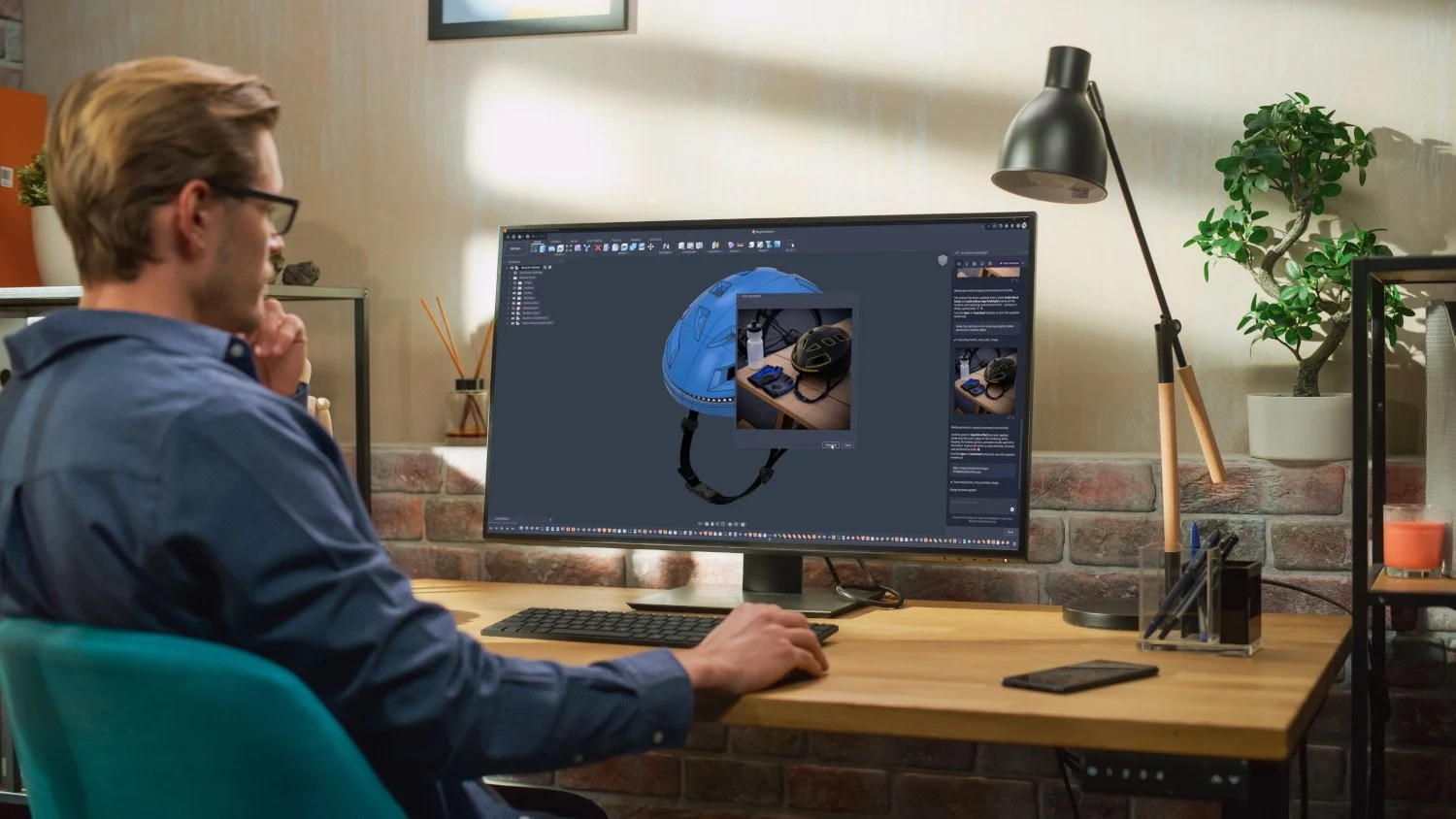
An engineer working in CAD is typically doing two kinds of work at once. The first is what most engineers got into the field to do, defining the system, running analysis, weighing tradeoffs, finding designs that are lighter, stronger, cheaper, and better performing than what came before.
AI in Additive Manufacturing Metrology: Real-Time Intelligence, Automated Inspection, and the Dawn of Born-Qualified Parts
Additive manufacturing (AM) — powder bed fusion (PBF), directed energy deposition, and extrusion — produces parts with intricate internal features, lattices, and organic geometries that traditional metrology struggles to inspect efficiently.

AI-Driven Metrology: How Artificial Intelligence Is Making CMMs Truly Intelligent
In the rapidly evolving landscape of smart manufacturing, Coordinate Measuring Machines (CMMs) are undergoing their most significant transformation yet. Artificial Intelligence (AI) and Machine Learning (ML) are moving CMMs beyond traditional programmed inspection into autonomous, predictive, and adaptive systems.

AI-Powered Scan-to-CAD: Delivering Tangible Benefits for Reverse Engineering and Precision Inspection with Artec 3D
Artec 3D, a leader in professional 3D scanning solutions, stands at the forefront of this transformation. Their AI-enhanced hardware and software directly address the challenges faced by CMM professionals, particularly in reverse engineering (RE) and inspection processes.
If Safety Is on the Line: Designing a Quality Strategy That Does Not Overtrust Tools
Quality teams now rely on a dense stack of tools: automated test frameworks, AI-assisted test generation, self-healing locators, visual testing, static analysis, and observability platforms. These capabilities can improve coverage and speed. They can also introduce a modern failure mode: false confidence.

The AI Revolution in Metrology: Leading OEMs, Breakthrough Products, Real-World Case Studies, and the Transformative Future of Quality Assurance in Manufacturing
In an era of Industry 4.0/5.0, shrinking skilled workforces, and demands for zero-defect, high-mix production, artificial intelligence (AI) and machine learning (ML) are fundamentally reshaping metrology.

AI-Powered Machine Vision at End-of-Line: Complementing CMMs to Redefine Quality Control in Manufacturing
When it comes to complex products, shorter production cycles, and zero-defect expectations, end-of-line (EOL) inspection has become the final—and often most critical—gatekeeper of quality.
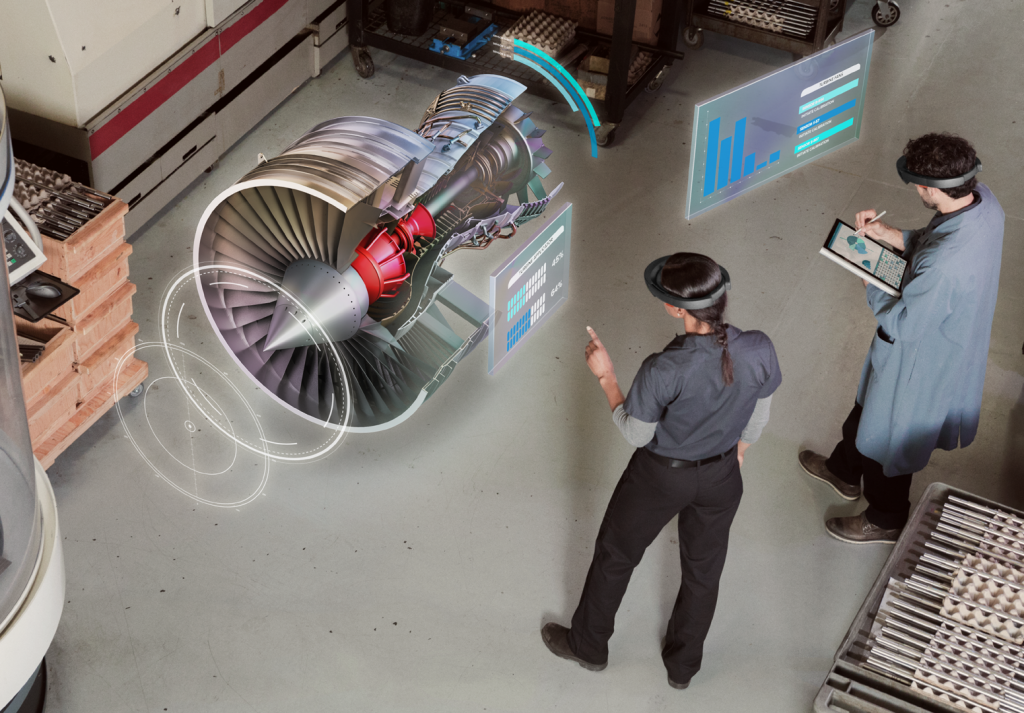
AI-Driven Anomaly Detection: Elevating Precision and Quality Control in Aircraft Wing Manufacturing
Aircraft wings rank among the most complex and safety-critical structures in modern aviation. They generate lift, mount engines and landing gear, store fuel, and endure extreme temperature swings from -50°C to +40°C while flexing under turbulence and aerodynamic loads.
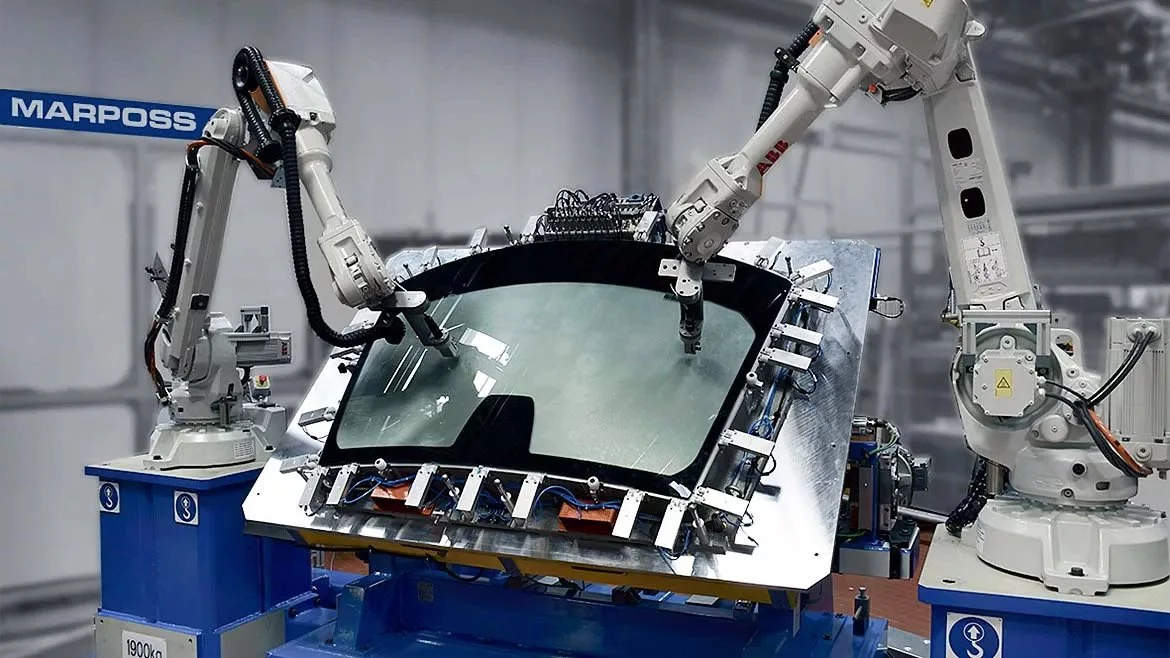
Measurement Trends Yesterday and Today
From the great automotive boom of the 1950s to today, the Bologna-based company has been able to anticipate industry’s need for in-line measurement during production, data management and analysis, and the expansion of sensor technologies. This drive towards innovation has made it a benchmark in measurement, inspection, and testing.

AI is Here to Stay in Metrology
In the precision-driven world of metrology—the science of measurement—artificial intelligence (AI) has emerged as a transformative force. No longer a futuristic concept, AI is actively reshaping how measurements are taken, analyzed, and applied in manufacturing, quality control, and beyond.

NPL’s Centre for AI Measurement: Advancing Metrology Standards for Trustworthy Artificial Intelligence
In the rapidly evolving landscape of artificial intelligence (AI), where precision and reliability are paramount, the UK’s National Physical Laboratory (NPL) has taken a groundbreaking step forward. On January 29, 2026, the UK Government announced the establishment of the Centre for AI Measurement, led by NPL, the nation’s National Metrology Institute.
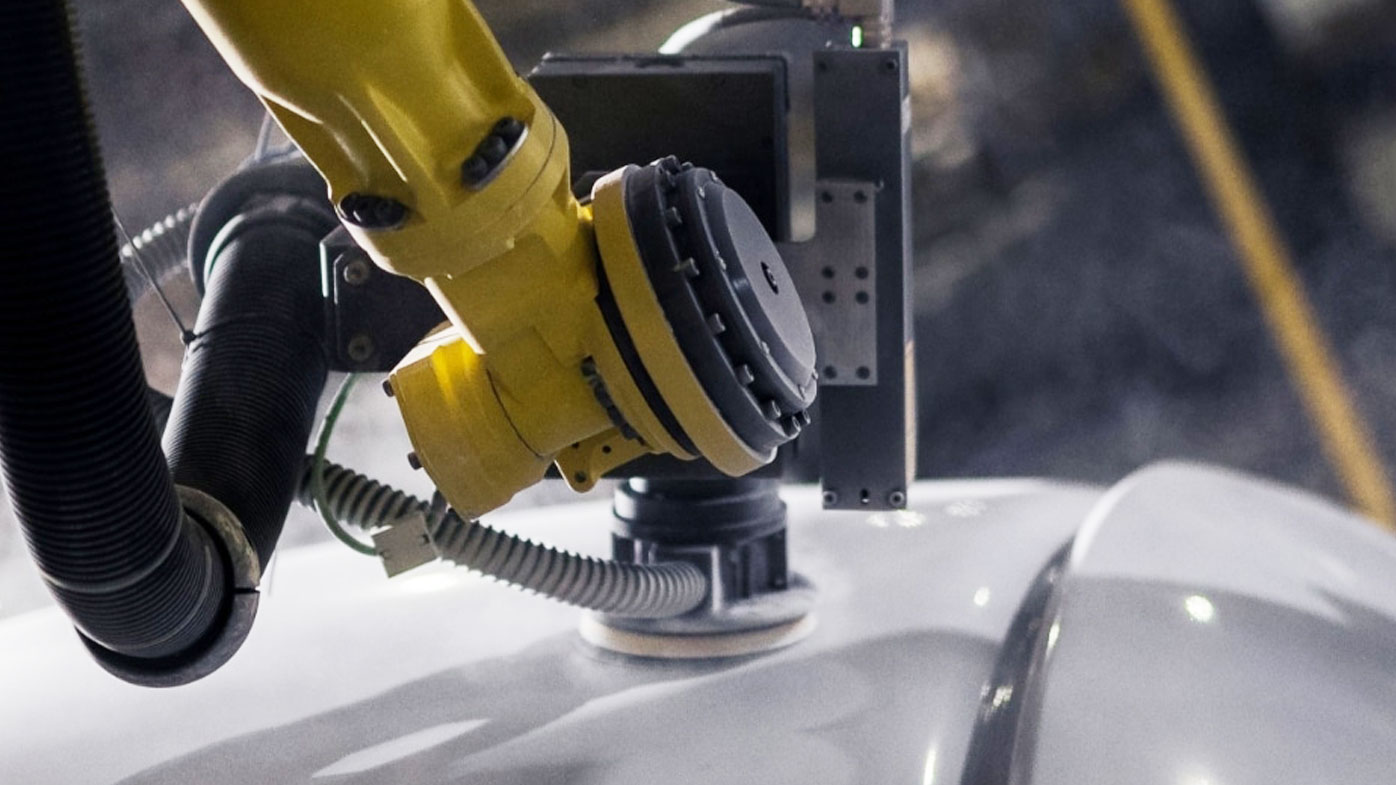
3D Sensing and AI Adaptive Robot Control Advance Aircraft Canopy Maintenance
Aircraft canopies, typically made from acrylic or polycarbonate materials, are critical components that provide pilots with unobstructed visibility while maintaining structural integrity under extreme conditions.

Hyundai Motor Group Announces AI Robotics Strategy to Lead Human-Centered Robotics Era at CES 2026
Hyundai Motor Group (the Group) today unveiled its transformative AI Robotics Strategy at the Consumer Electronics Show 2026 (CES 2026), presenting a bold roadmap for advancing human-robot collaboration under the theme ‘Partnering Human Progress’.

wenglor Presents AI Lab Cloud-Based High-Performance Platform for Creating AI Models
With uniVision 3, the modular standard software for wenglor machine vision devices such as the B60 series smart cameras and the MVC series machine vision controllers, images and height profiles can be evaluated easily and flexibly – without any programming knowledge.

Smart Inspections, Safe Processes
Testing and inspection procedures have always formed a core part of quality management. However, the framework conditions have changed significantly. Production processes are becoming more complex, new materials such as hydrogen-compatible metals are becoming more important, and digital technologies such as artificial intelligence (AI) and remote inspections are expanding the range of tools available to quality managers.

From Pen and Paper to AI: Transforming Manufacturing
As more supply chain risks like tariffs ripple through operations, outdated systems can no longer adapt to the pace of change required.

Navigating the Challenges of In-line AI Vision Systems
manufacturers are constantly seeking ways to improve production and product quality. This may involve increasing throughput and scrapping less material, or reducing machine downtime caused by the absence of an inline inspector. Often, their first step is investing in an automated inline machine vision system.

5 Powerful Ways AI Image Recognition Improves Quality Control in Manufacturing
Quality control in manufacturing is a crucial factor in the success of any industrial operation. It ensures that every product meets quality standards, satisfies customers, complies with regulations, and upholds a positive brand reputation. However, traditional quality control (QC) methods often face challenges such as inconsistency, low throughput, and high operational costs.

Machine Vision Gets Smarter
Machine vision systems are experiencing a significant transformation. Advances in artificial intelligence (AI), deep learning, and 3D imaging are improving inspection capabilities and making these systems more accessible. What once required extensive programming and vision expertise can now be accomplished through AI-powered systems.