By Mark Boucher - CMM Quarterly
In the fast-paced world of modern manufacturing, the metrology industry faces unprecedented pressures. With global demands for higher production volumes, stricter quality standards, and shorter lead times, metrologists must navigate complex challenges while ensuring precision and efficiency. Coordinate measuring machines (CMMs) and other 3D metrology tools are at the heart of this process, but their effectiveness hinges on the software that drives them. Investing in user-friendly 3D metrology software is not just a convenience—it’s a strategic necessity that empowers larger teams to collaborate seamlessly, boost productivity, and adapt to remote work environments without sacrificing accuracy.
This article explores the critical reasons to prioritize user-friendly solutions, drawing on industry insights to highlight challenges with outdated or cumbersome software and the transformative features that define truly intuitive platforms. By addressing these elements, manufacturers can achieve greater repeatability, faster data collection, reduced human error, and improved overall throughput.
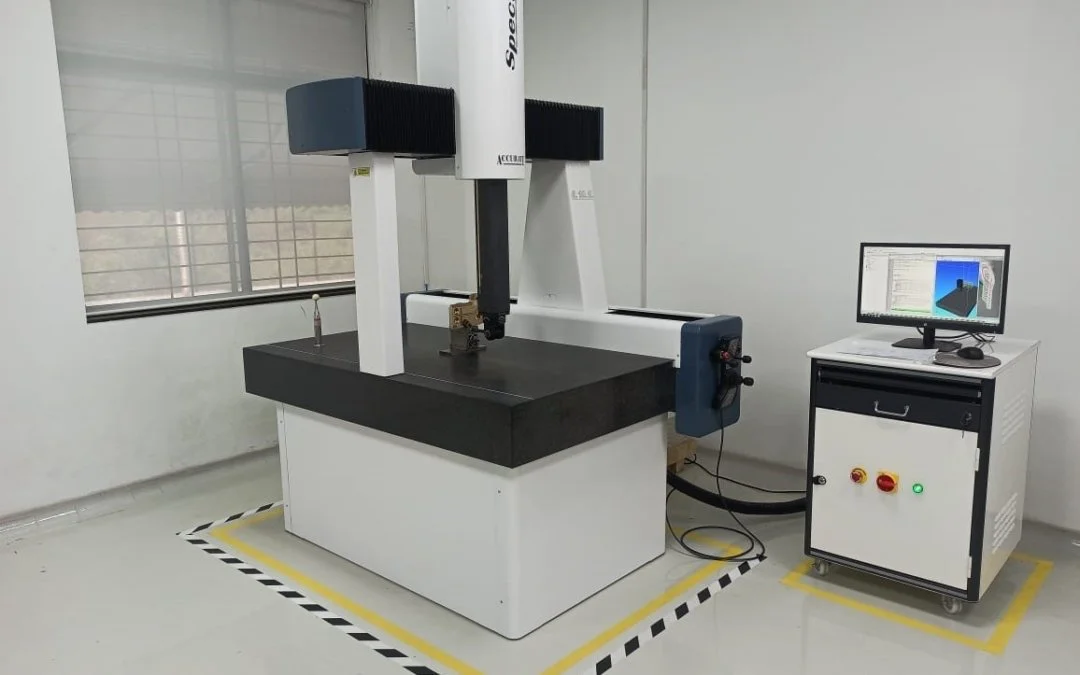
A typical coordinate measuring machine (CMM) used in manufacturing for precise 3D metrology tasks.
The Evolving Demands of the Metrology Industry
The global manufacturing sector is undergoing a seismic shift, driven by advancements in automation, Industry 4.0 initiatives, and the need for real-time quality control. Metrologists are tasked with inspecting increasingly complex parts—often with intricate geometries and tight tolerances—while integrating data from diverse sources like CMMs, laser scanners, and portable arms. Traditional approaches fall short here, as they struggle with the volume and variety of data required for modern production lines.
For instance, in automotive and aerospace industries, where precision can mean the difference between safety compliance and costly recalls, the pressure to accelerate inspections without compromising accuracy is immense. User-friendly software bridges this gap by enabling operators of varying skill levels to perform tasks efficiently, reducing training time and minimizing errors. This is particularly vital in a workforce that may include both seasoned experts and newer technicians, allowing for scalable operations across global teams.
Moreover, with the rise of remote collaboration, software that supports cloud-based access and real-time data sharing ensures that measurements can be reviewed and validated from anywhere, enhancing decision-making speed and reducing downtime.
Challenges with Traditional or Weak 3D Metrology Software Solutions
While technology aims to simplify processes, save time, and cut costs, many legacy 3D metrology software solutions introduce frustrations that hinder productivity. These “weak” systems—often rigid, outdated, or poorly designed—exacerbate the inherent complexities of metrology work.
One major issue is the lack of visual representations or 3D views. Traditional software frequently relies on abstract numerical data or 2D projections, making it difficult for users to intuitively understand spatial relationships between measuring devices and parts. This can lead to misinterpretations, especially for complex assemblies, resulting in rework and delays.
Another common limitation is dependence on a single programming language, such as DMIS (Dimensional Measuring Interface Standard). While DMIS is a staple in the industry, restricting users to one language limits compatibility with newer hardware or hybrid systems, forcing workarounds that increase complexity and error rates.
Over-reliance on numerical data and spreadsheets is also prevalent. Without integrated visualization tools, metrologists spend excessive time cross-referencing tables and charts, which slows analysis and heightens the risk of human error. In high-volume environments, this inefficiency can bottleneck entire production lines.
Furthermore, excessive clicks to execute functions plagues many older interfaces. Simple tasks, like aligning a part or generating a report, might require navigating through multiple menus, leading to user fatigue and reduced throughput. This is compounded by limited customizability, where software fails to adapt to specific metrological needs, such as regional standards or industry-specific tolerances, making it ill-suited for diverse applications.
Additional challenges include high initial learning curves, incompatibility with emerging technologies like additive manufacturing, and inadequate support for complex geometries. For example, traditional methods often require manual fixturing and probing, which are time-consuming for curved surfaces or freeform shapes, leading to inefficiencies in measuring intricate parts.
These issues not only inflate operational costs but also stifle innovation, as teams are bogged down by tools that don’t evolve with industry demands.
Key Features That Define User-Friendly 3D Metrology Software
Fortunately, modern 3D metrology software has evolved to address these pain points, offering features that prioritize usability, efficiency, and adaptability. When evaluating solutions, look for platforms that incorporate the following elements to ensure they align with CMM operations and broader metrology needs.
Highly Visual Formats
A standout feature is a graphical, global 3D interface that allows users to comprehend complex data at a glance. By providing interactive 3D views of parts, probes, and measurements, these systems enable quick identification of deviations, such as out-of-tolerance features. This visual approach accelerates inspections and enhances accuracy, particularly in reverse engineering or quality control scenarios. For CMM users, real-time visualizations can simulate probe paths, preventing collisions and optimizing measurement sequences.
Universal Compatibility
User-friendly software should be device-agnostic, seamlessly integrating with any CMM brand, laser scanner, or portable arm. It must also support multiple measurement programs within a single platform, eliminating the need to switch between applications. This universality reduces setup time and fosters interoperability in multi-vendor environments.
Click-Efficiency and Intuitive Design
Prioritizing minimal clicks for common tasks is essential. Developers with deep knowledge of user profiles—such as CMM operators or quality engineers—design interfaces that streamline workflows, like automated alignment or one-click reporting. Features like Path Optimizer in advanced software further enhance this by suggesting efficient probe routes.
High Customizability
The ability to tailor the software to specific requirements is crucial. This includes adjustable parameters for tolerances, regional units, or workflow preferences. Custom dashboards and scripts allow users to personalize their experience, accommodating diverse geographies and industries.
Support for New CAD Formats and Technologies
Robust software stays ahead by compatibly handling the latest CAD files, ensuring seamless imports from design software. It should also integrate with emerging tools like photogrammetry or high-speed scanners for metrology-grade precision.
User-Centric Enhancements
True user-friendliness shines through in details like abundant keyboard shortcuts, visible tooltips, and metrics to minimize menu-switching. Adaptive scanning algorithms and intelligent data optimization further empower users, making the software accessible to beginners while powerful for experts.
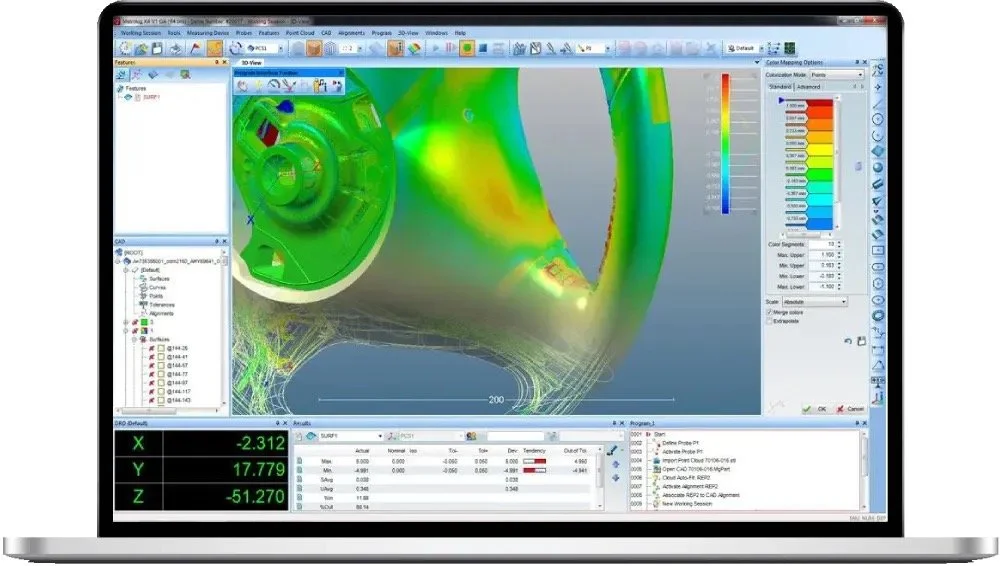
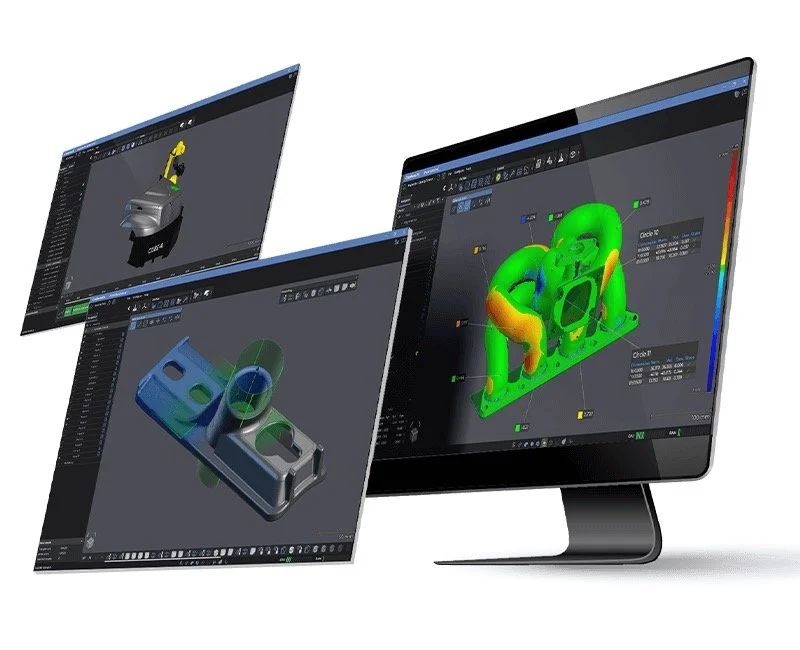
These features collectively reduce the learning curve, boost ROI through long-term cost savings, and enable faster, more accurate inspections.
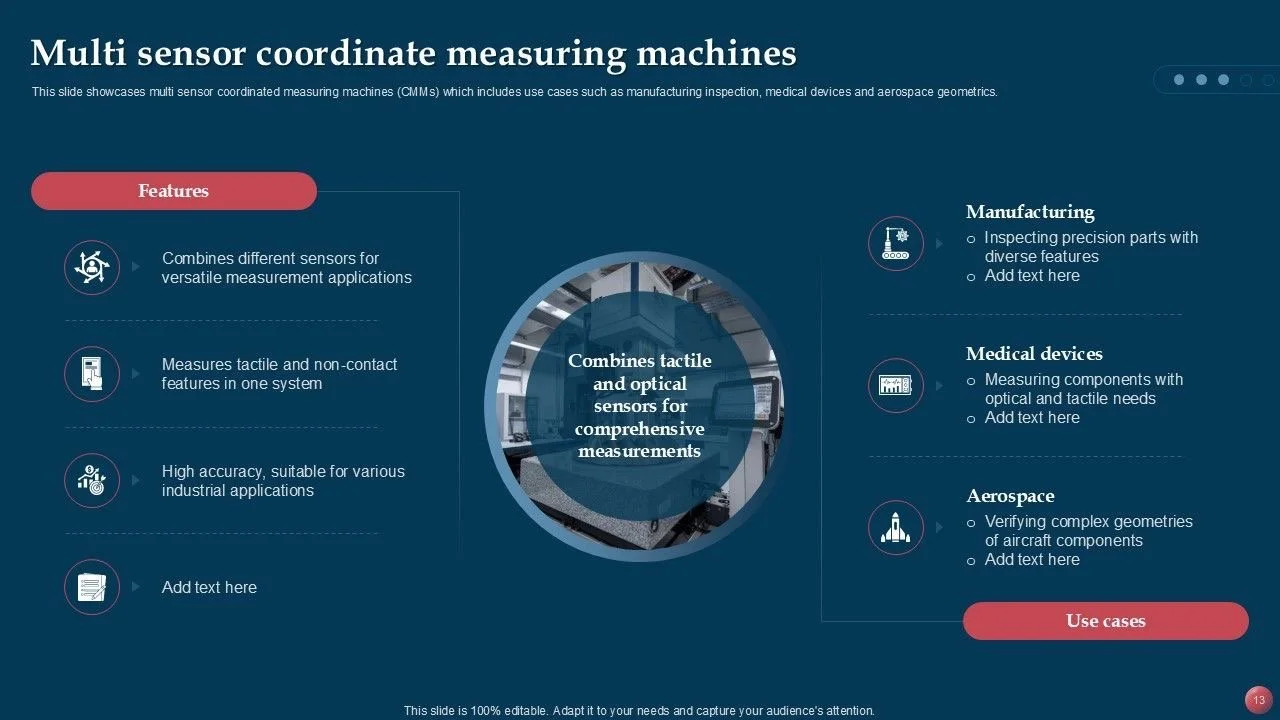
Infographic outlining the benefits of visual 3D metrology software in industrial applications.
The Strategic Value of Investment
Investing in user-friendly 3D metrology software yields tangible benefits: enhanced quality control, accelerated reverse engineering, and superior data reliability. For CMM-focused operations, it translates to higher throughput, fewer errors, and better integration with manufacturing ecosystems. As the industry advances toward automated and AI-driven metrology, choosing a solution that emphasizes usability positions your team for sustained success in an increasingly competitive landscape.