How manufacturers and individuals can access non-repayable support for precision metrology skills in 2026
By CMM Quarterly
The precision manufacturing sector faces a well-documented skills gap in coordinate measuring machine (CMM) operation, programming, and metrology. Whether you’re an individual seeking to advance your career or a company investing in its workforce, government funding can remove the financial barriers to high-quality CMM training. These programs—primarily through the federal Workforce Innovation and Opportunity Act (WIOA) and complementary state initiatives—cover tuition, fees, and even customized instruction at technical colleges and workforce centers. Best of all, the funding is non-repayable when participants meet basic completion and retention requirements.
Federal Funding: The Foundation (WIOA)
The U.S. Department of Labor administers WIOA, which funnels billions annually to states and local Workforce Development Boards (WDBs). CMM training qualifies because metrology and precision inspection are recognized high-demand occupations in advanced manufacturing.
For individuals and job seekers: Individual Training Accounts (ITAs) pay tuition and fees directly to approved providers. Most community college and technical college CMM certificate programs (typically 24–42 hours) appear on state Eligible Training Provider Lists (ETPLs).
For companies: Incumbent Worker Training (IWT), On-the-Job Training (OJT—up to 50% wage reimbursement), and customized training contracts allow employers to upskill current staff while receiving partial reimbursement.
Recent competitive grants—such as the $86 million Industry-Driven Skills Training Fund awarded to 14 states—further support advanced manufacturing partnerships that explicitly include metrology and CMM skills.
State Funding: Every State Participates—and Many Do More
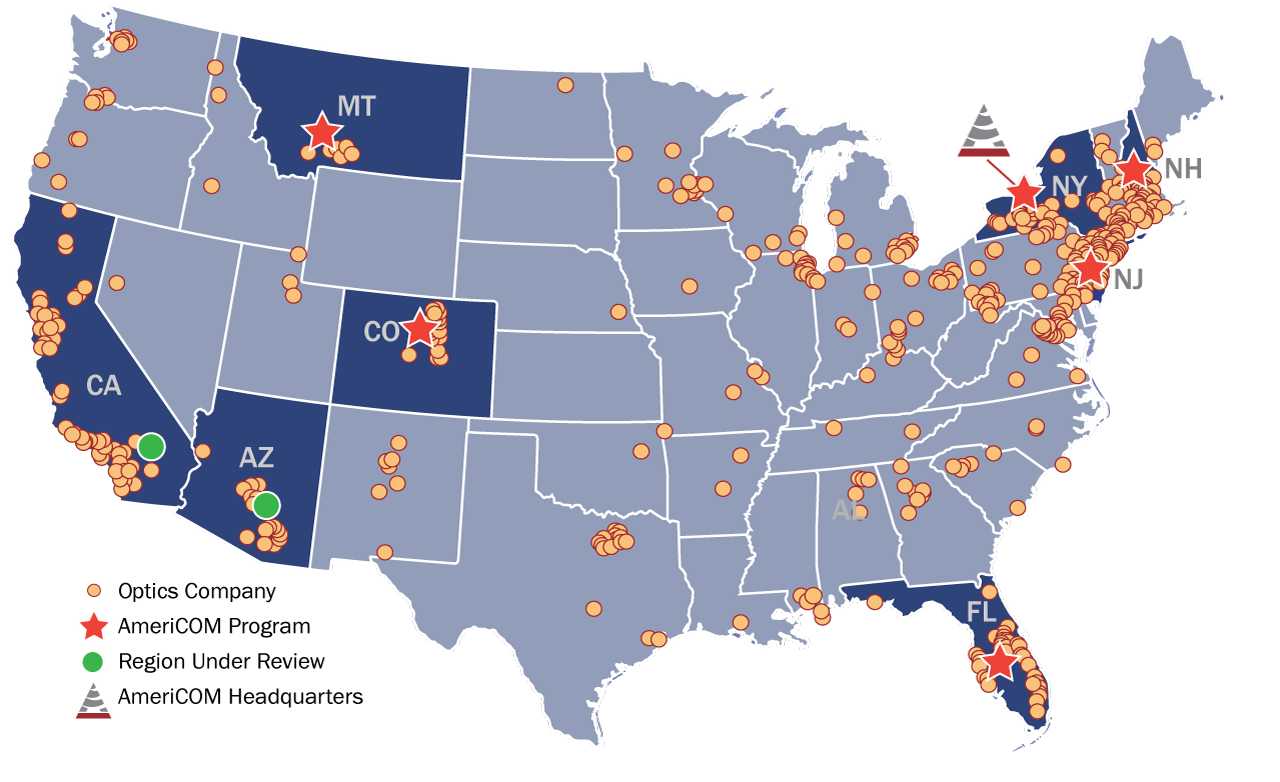
Because WIOA formula funds flow to all 50 states and territories, every state contributes at minimum through local American Job Centers and ETPLs. Manufacturing-heavy states layer on additional grants, tax credits, and free customized training.
South Carolina Spotlight (especially relevant for readers in Charleston and the Lowcountry):
retrainSC offers up to $1,000 per eligible employee per year (maximum $5,000 over five years) through payroll tax credits for approved retraining on new equipment or skills—including CMM operation and programming.
readySC delivers completely free customized training (curriculum development, instructors, and facilities) for new or expanding companies.
Local partners like Trident Technical College and SC Works centers in the Trident region make enrollment seamless.
Other strong examples include:
Arizona and Wisconsin (recent multi-million-dollar DOL advanced manufacturing grants)
Massachusetts (Advanced Manufacturing Training Program consortia)
Indiana (NextLevel Jobs Workforce Ready Grant)
Minnesota (Dual Training grants that specifically list CMM Programmer tracks)
Connecticut (WIOA-eligible metrology/CMM programs at state colleges)
How to Apply—Step by Step
Individuals
Visit your local American Job Center (find via CareerOneStop.org or your state workforce website—scworks.org for South Carolina).
Complete eligibility screening (typically for unemployed, underemployed, or low-income workers; bring ID and income documentation).
Select a CMM or metrology program from your state’s ETPL.
Receive an ITA voucher that pays the provider directly.
Companies
Contact your local WDB or state technical college system.
Submit a training proposal outlining business need, cost quotes from an approved provider, worker retention plan, and (in most cases) a modest company match.
Many areas issue open RFPs or negotiate direct contracts.
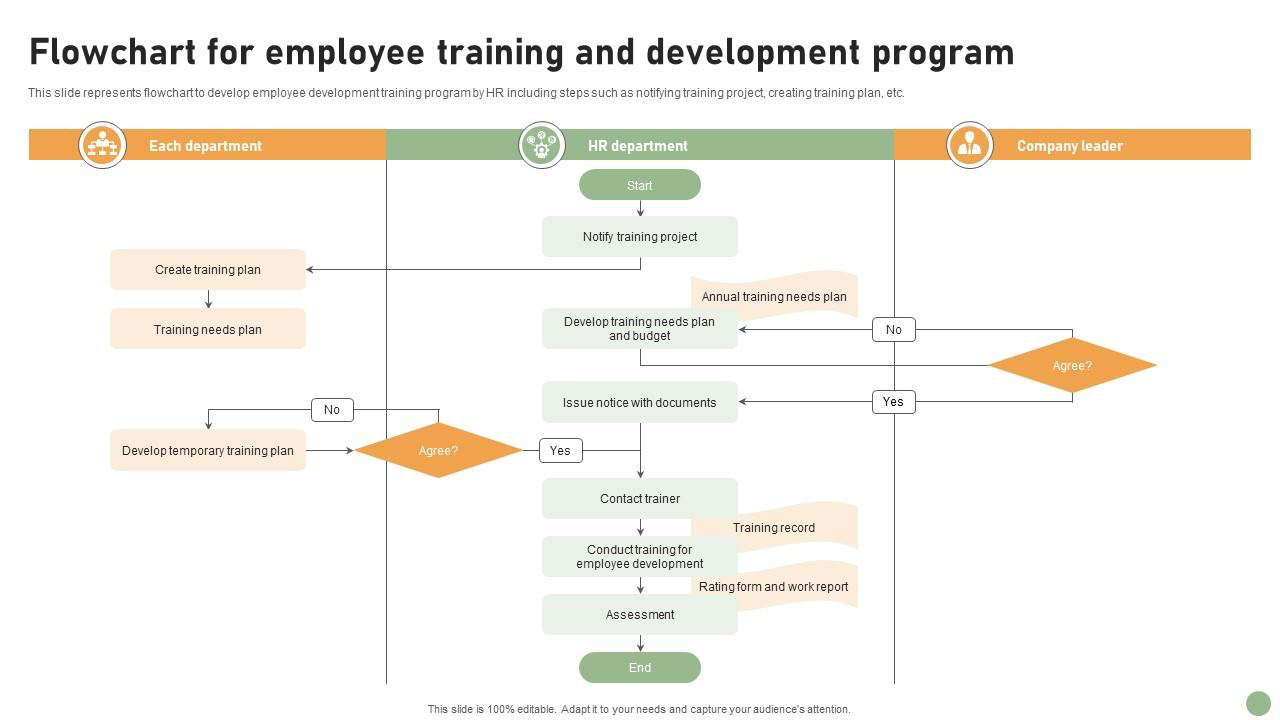
Typical timeline: Eligibility approval in days to weeks; training can begin immediately once the ITA or contract is issued.
No Repayment Required
These are grants and reimbursements—not loans. Individuals simply complete the approved program. Employers must usually meet retention or placement targets, but failure to do so results only in adjusted reimbursement, never personal debt.
Additional Supports and Success Tips
Pell Grants for credit-bearing programs at community colleges
SNAP Employment & Training or veteran-specific funds
Private supplements (e.g., Gene Haas Foundation scholarships for machining labs)
Pro tip for South Carolina companies: Start with Trident Technical College’s manufacturing programs and the local SC Works center in Charleston. Many CMM courses are already pre-approved and can be delivered on-site through readySC.

Take Action Today
The skills gap in metrology won’t close by itself—but the funding is already in place. Whether you’re a machinist looking to become a CMM programmer or a plant manager planning your next training cycle, contact your local American Job Center or state workforce agency this month. Programs fill quickly, and the return on investment (higher productivity, reduced scrap, and a more competitive workforce) is immediate and measurable.
For the latest ETPL listings and open grant windows, visit CareerOneStop.org or your state’s workforce portal. The future of precision manufacturing starts with a funded training seat—claim yours today.
Once your funding is approved, CMM Quarterly becomes your go-to resource for mastering CMM training. We deliver practical training, articles, step-by-step programming guides, GD&T explanations, and real-world metrology tips that directly support and enhance the instruction you receive through WIOA, state workforce programs, and technical colleges. Whether you’re a new student or an experienced professional upskilling, our content helps you gain confidence faster and turn your funded training into lasting expertise on the shop floor.