In the rapidly evolving landscape of modern manufacturing, Coordinate Measuring Machines (CMMs) are transitioning from standalone quality control tools to integral components of interconnected, intelligent production systems. As smart factories—characterized by Industry 4.0 technologies like the Internet of Things (IoT), artificial intelligence (AI), and big data analytics—become the norm, CMMs are adapting to provide real-time insights, enhance efficiency, and drive quality assurance. This article explores the historical evolution of CMMs, their current integration into smart manufacturing environments, emerging trends, and future potential, drawing on recent advancements in metrology.
A Brief History of CMM Technology
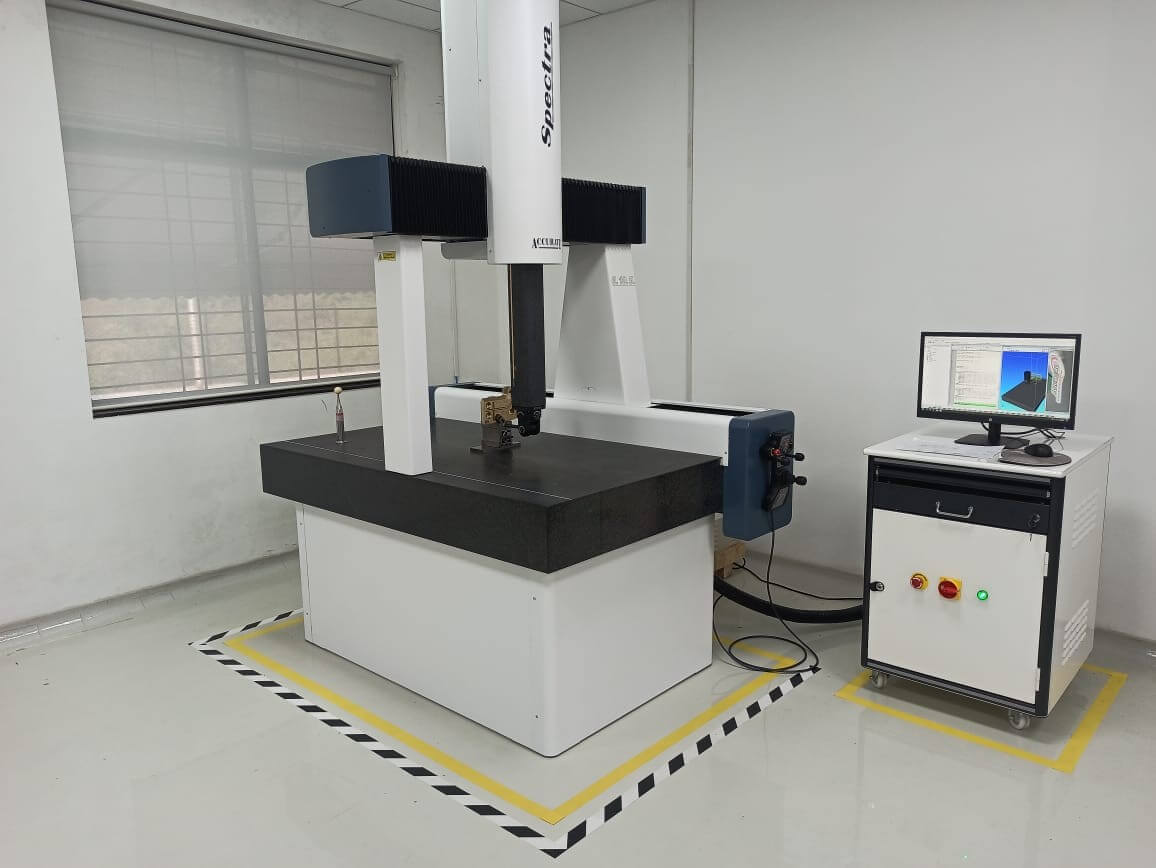
The origins of the CMM trace back to the late 1950s, when early models were developed primarily for the automotive and aerospace sectors. These initial machines relied on hard probes and later touch-trigger probes, where a stylus physically contacted the part’s surface to gather dimensional data. In the 1960s, the integration of digital computers marked a pivotal advancement, enabling more accurate and efficient data processing. Pioneers like Digital Electronic Automation (DEA), now part of Hexagon Manufacturing Intelligence, played a key role in this development, evolving CMMs from manual devices to automated systems.
By the 1970s, innovations such as 3D scanning and automatic sensor change-racks improved measurement capabilities, accuracy, and speed. The 1990s and 2000s brought further enhancements, including automated data collection, advanced software, and multi-sensor functionality, expanding CMM applications across industries like electronics and medical devices. Today, standards like ISO 10360 ensure consistent performance, solidifying CMMs as essential for precise measurements.

Source: ITP STYLI
This evolution has shifted CMMs from isolated tools in quality labs to dynamic assets capable of supporting complex manufacturing needs.
The Shift from Isolation to Integration in Smart Factories
Historically, CMMs operated in dedicated metrology rooms, focusing on post-production inspections of finished parts. However, smart factories demand more: interconnected systems, cyber-physical environments, and real-time feedback loops. Modern CMMs are now designed to interface with Manufacturing Execution Systems (MES), Enterprise Resource Planning (ERP) systems, and other digital platforms, enabling seamless data flow.
In smart manufacturing, CMMs provide precise measurements that inform the entire production process. For instance, real-time data from CMMs can identify design flaws or process inefficiencies, reducing waste and boosting competitiveness. They also optimize supply chains by offering insights into part availability and production schedules, minimizing disruptions. Integration allows for continuous monitoring, quick issue resolution, reduced downtime, and increased productivity.
Portable and non-contact CMMs are gaining traction, allowing on-site measurements on the shop floor to cut downtime and enhance workflow. This is particularly valuable in sectors like automotive and aerospace, where tight tolerances are critical.
Leveraging Advanced Technologies: IoT, AI, and Beyond
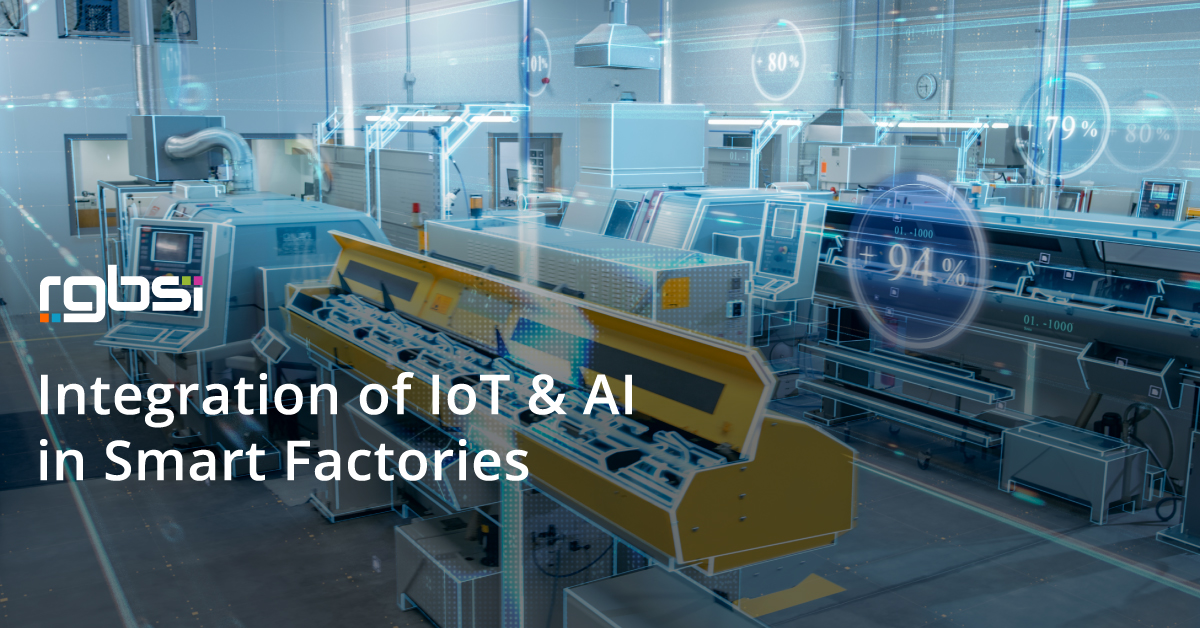
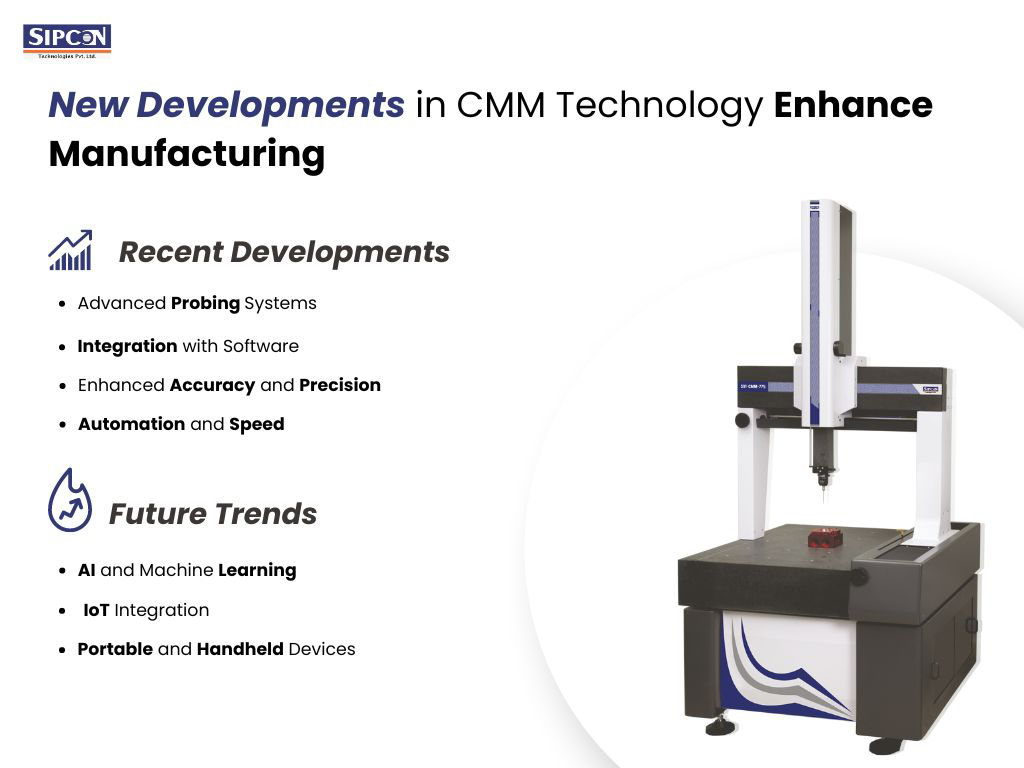
The integration of CMMs with Industry 4.0 technologies is transforming their role. IoT enables CMMs to connect with other factory sensors for real-time monitoring and control, ensuring processes stay within specifications. AI and machine learning automate inspections, improving accuracy and reducing human error. For example, predictive maintenance uses CMM data to forecast equipment issues, enhancing efficiency.
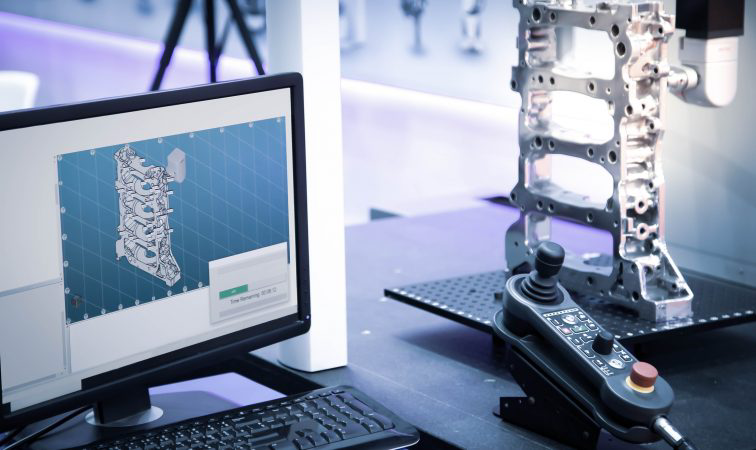
Model-Based Definition (MBD) is another key trend, using 3D digital models to define geometry and tolerances for automated CMM programming. Benefits include improved accuracy, efficiency, collaboration, flexibility, and traceability. Digital twins, created via CMM data, allow virtual testing, reducing the need for physical prototypes.
Advanced software with analytics and cloud connectivity further supports smart ecosystems. Emerging features like shop-floor CMMs with small footprints, non-contact scanning, and automated programming are accelerating adoption.
Benefits, Challenges, and Market Growth
The benefits of CMMs in smart factories are substantial: faster inspections, higher quality, reduced waste, and compliance with standards. The global CMM market, valued at US$3.94 billion in 2024, is projected to reach US$8.34 billion by 2032, growing at a CAGR of 9.96%, driven by automation and precision demands.
Challenges include integrating legacy systems with new technologies and ensuring data security in connected environments. However, advancements in portable devices and AI-driven automation are addressing these issues.
Future Outlook: CMMs as Cornerstones of Industry 4.0
Looking ahead, CMMs will continue evolving with miniaturization, wireless connectivity, and machine learning for automated programming. Their role in creating efficient, flexible, and adaptive smart factories will be indispensable, supporting real-time decision-making and predictive analytics. As manufacturing embraces digital-first approaches, like Hexagon’s MAESTRO system, CMMs will become IoT-enabled hubs for inspection.
In conclusion, the CMM’s transformation from a precision tool to a smart manufacturing enabler underscores its enduring importance. By embracing integration and innovation, manufacturers can achieve unprecedented levels of quality and efficiency, paving the way for the factories of tomorrow.
