By Mark Boucher - CMM Quarterly
The global manufacturing landscape is undergoing a fundamental transformation driven by Industry 4.0, a paradigm shift that integrates intelligent digital technologies into industrial processes. This revolution moves beyond simple automation to create interconnected, data-driven ecosystems known as smart factories. At the heart of this transformation is a new approach to quality management, termed Quality 4.0, which redefines quality from a reactive, post-production check to a proactive, integrated driver of efficiency and innovation.
Within this new framework, the Coordinate Measuring Machine (CMM) is undergoing a significant metamorphosis. Traditionally a standalone, post-production tool used for intermittent quality control, the modern CMM is evolving into a central, connected asset. By leveraging technologies such as the Industrial Internet of Things (IIoT), Artificial Intelligence (AI), and cloud computing, CMMs now function as the critical "sense organs" of the smart factory. They provide real-time, high-precision dimensional data that enables sophisticated capabilities like closed-loop manufacturing, robotic automation, digital twin validation, and predictive maintenance. This strategic repositioning allows manufacturers to move from a state of detecting defects to one of preventing them entirely, ultimately reducing waste, increasing throughput, and enhancing competitive agility. The following report provides a detailed analysis of this evolution, highlighting the quantifiable benefits and offering actionable recommendations for manufacturing leaders seeking to harness the full potential of this technology.
1. The Fourth Industrial Revolution: A Paradigm Shift in Manufacturing
1.1 Defining Industry 4.0 and the Smart Factory
Industry 4.0 represents the fourth major industrial revolution, characterized by the integration of intelligent digital technologies into manufacturing and industrial processes. This new era goes beyond traditional automation and robotics to create a fully interconnected network of systems and machines. The core technological pillars enabling this shift include the Industrial Internet of Things (IIoT), Big Data and AI analytics, cloud computing, and augmented reality (AR). The IIoT, which is so central to Industry 4.0 that the two terms are often used interchangeably, connects physical devices, machinery, and sensors to the internet, allowing them to provide real-time data on their condition, performance, and location. This continuous stream of data, a form of Big Data, is then analyzed in real time using AI and machine learning to derive actionable insights that inform decision-making across the entire manufacturing and supply chain. Cloud computing serves as the foundational enabler, providing the infrastructure for data storage and the computational power required for AI and machine learning to function.
The tangible manifestation of these technologies is the smart factory. A smart factory is a Cyber-Physical System (CPS) that integrates machines, people, and data into a single, digitally connected ecosystem. CPS forms the architectural backbone of this new manufacturing model, linking the physical world of machines and sensors to the digital world of computation and intelligence. This architecture is typically viewed in three layers: the Physical Layer, comprising the tangible equipment like sensors, robots, and machines; the Cyber Layer, which is the intelligence hub where data is processed and analyzed using AI and machine learning to optimize processes; and the Integration Layer, the connective tissue that uses IIoT networks to ensure seamless, real-time communication between the physical and cyber components. The smart factory is a dynamic, self-optimizing system that learns from experience, self-corrects, and continuously improves production workflows. This is a strategic pivot from the traditional manufacturing model. While earlier industrial revolutions focused on optimizing fixed processes for efficiency, the current era is driven by a need for greater agility and adaptability to meet evolving consumer expectations and address supply chain risks. The ability of smart factories to virtually reconfigure production lines and respond to urgent or custom orders demonstrates a fundamental shift in manufacturing strategy from a rigid pursuit of efficiency to a flexible pursuit of resilience and responsiveness.
1.2 Quality 4.0: A New Paradigm for Excellence
Prior to Industry 4.0, quality control was a predominantly reactive and resource-intensive process. Manufacturers would establish "quality gates" at various stages of production where parts were manually inspected using handheld tools like calipers, or with standalone equipment. This method was time-consuming, prone to human error, and created bottlenecks, as problems were often detected only after a significant number of faulty products had already been manufactured. The data infrastructure for providing real-time transparency was often absent, leading to limited views of actual performance and making it difficult to pinpoint the root causes of issues.
Quality 4.0 is the digital transformation of this antiquated approach. It is a mindset that encourages manufacturers to shed manual data collection methods and embed quality management directly into the production workflow through technology. By leveraging Industry 4.0 technologies like IIoT sensors, advanced analytics, and machine learning, Quality 4.0 shifts the focus from identifying defects in finished products to preventing them from occurring in the first place. This transformation elevates quality management from a mere defensive measure to a core driver of competitive advantage and profitability. Instead of being a cost center responsible for catching and discarding bad parts, quality data becomes a source of strategic insight that can be used to improve manufacturing output, factory utilization, and labor productivity, leading to measurable gains of up to 12% in some cases. This fundamental change allows companies to achieve higher first-pass yields, reduce scrap and rework, and ultimately shorten time-to-market.
2. From Standalone Tools to Connected Assets: The Metamorphosis of CMMs
2.1 The Legacy Role of the CMM
The Coordinate Measuring Machine (CMM) has long been a cornerstone of quality control in industries requiring high precision, such as aerospace and automotive manufacturing. A CMM is a specialized device that uses a probe to measure the physical, geometrical characteristics of an object with micron-level accuracy. This capability far surpasses what is achievable with traditional handheld tools, ensuring that every feature of a part aligns exactly with its original computer-aided design (CAD) model. Early CMMs were a significant technological leap, providing reliable, repeatable measurements and eliminating operator subjectivity, thereby standardizing inspection routines across teams and facilities.
However, the traditional CMM operated primarily as an isolated, offline tool. Parts were removed from the production line and taken to a dedicated, temperature-controlled quality lab for inspection. This process, while highly accurate, was inherently a bottleneck. It was a reactive, post-production check that provided only intermittent feedback and made it impossible to determine when production issues had begun to occur. This "stop and go" approach was a significant source of inefficiency, leading to potential delays and rework.
2.2 The Evolution of CMM Technology
To meet the demands of the smart factory, CMM technology is evolving from a standalone inspection tool into an integral component of the manufacturing ecosystem. Modern CMMs have advanced beyond their traditional 3-axis design to include more versatile 5-axis capabilities, which allow them to measure complex geometries from multiple angles with greater flexibility. This evolution also includes the integration of multi-sensor capabilities, combining tactile probing with optical scanning and vision systems to capture a wider range of data from a single setup.
The most profound change, however, is the shift to "smart measuring systems" (SMS). These are CMMs enhanced with IIoT, AI, and cloud computing technologies, which allow them to operate effectively outside a traditional lab environment on the shop floor. This transformation represents a fundamental conceptual shift in how CMMs are viewed. Their value is no longer defined solely by their mechanical precision, but rather by their connectivity and their ability to act as a central data node within the factory’s CPS architecture. The CMM's data is now its most critical output, serving as the foundation for downstream and upstream processes and enabling capabilities that were once impossible. Consequently, the purchasing decision for a modern CMM is no longer based merely on its accuracy specifications but on its ability to seamlessly integrate with existing systems, contribute to the enterprise data flow, and provide actionable intelligence.
3. The Integrated Role of CMMs in the Smart Factory
3.1 Real-Time Data and the Closed-Loop Feedback System
A core tenet of the smart factory is the closed-loop feedback system, a process that connects people, machines, and data to continuously monitor performance and drive improvements. Within this system, the CMM provides the critical, high-precision dimensional data that serves as the foundation for continuous improvement. The CMM effectively acts as the "sense organ" of the manufacturing line, providing real-time measurements that are instantly analyzed to provide actionable insights.
The closed-loop process works by using this dimensional data to automatically correct upstream manufacturing processes. For example, a CMM can measure a part, instantly analyze the results, and, if a deviation is detected, automatically send an adjustment signal to the CNC machine that produced the part. This eliminates the need for time-consuming manual checks and adjustments, allowing the system to auto-adjust machining parameters in real time. This capability reduces waste, eliminates rework, and ensures consistent quality. The following table visualizes the logical data flow within such a system, demonstrating how the CMM’s role is integrated at a systemic level to enable this continuous cycle of measurement, analysis, and correction.
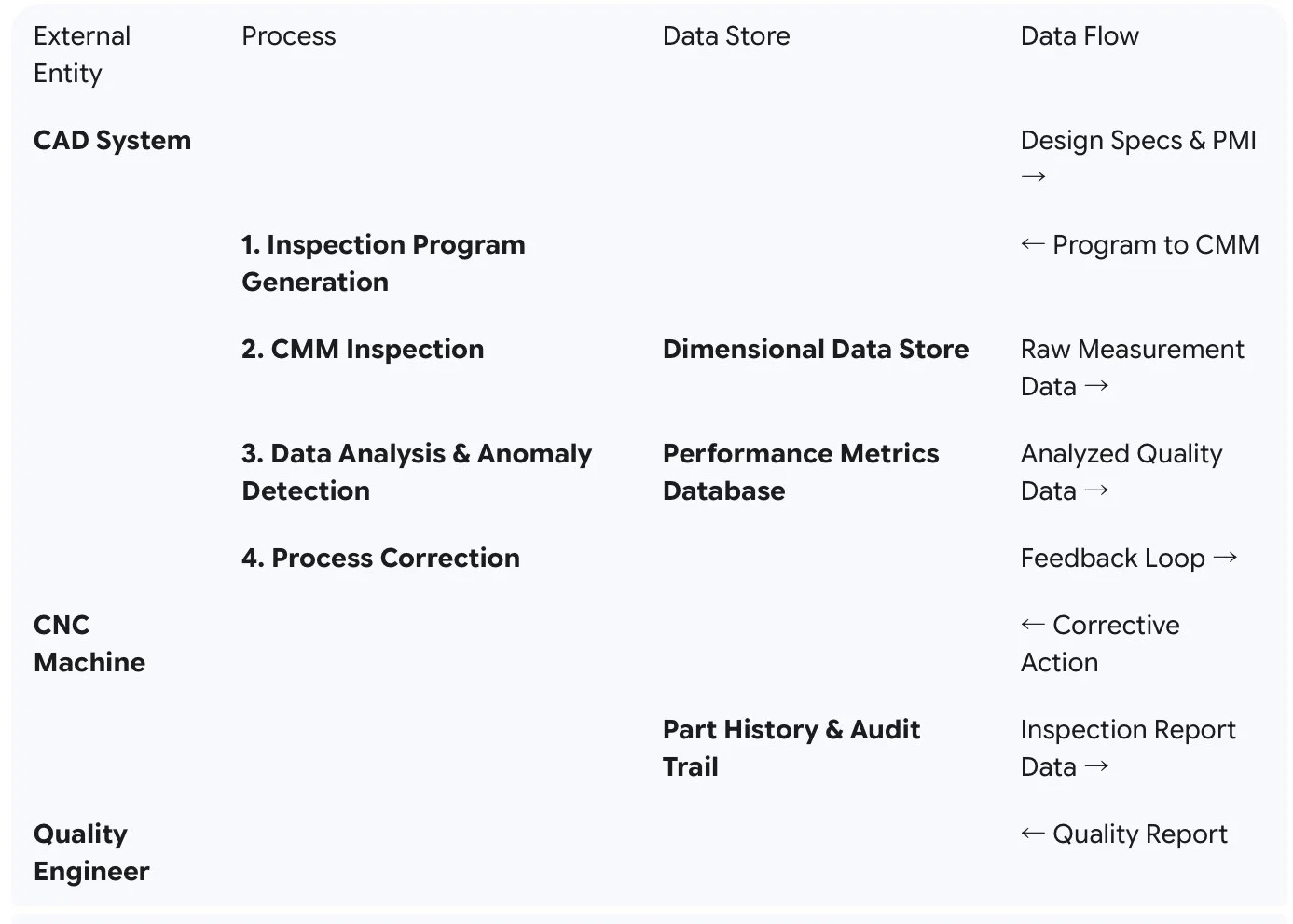
Table 1: Data Flow Diagram of a Closed-Loop Manufacturing Process
Note: This logical data flow diagram illustrates how data, rather than physical parts, moves between key processes, highlighting the strategic function of the CMM as a data source and the central role of data stores in enabling the feedback loop.
3.2 Automation and Robotic Integration
The integration of CMMs with robotic systems is a key strategic element of the smart factory. In traditional manufacturing, the manual operation of CMMs created significant bottlenecks. Operators had to stop work, take a part to the lab, wait for CMM availability, and then return to the production line, leading to inefficient "start-and-stop" workflows and delays. Furthermore, skilled labor shortages often exacerbated these issues.
Automating the CMM process addresses these challenges directly. Robotic arms can be used to automatically load and unload parts onto a CMM, enabling continuous, in-line inspection without human intervention. This capability allows for 100% inspection coverage of mass-produced components, a significant advantage over intermittent manual sampling. By automating these repetitive tasks, skilled operators and quality engineers are freed from low-value labor and can be reassigned to higher-level, strategic work, such as data analysis and root cause problem-solving. The following illustration provides a conceptual representation of this integrated approach.
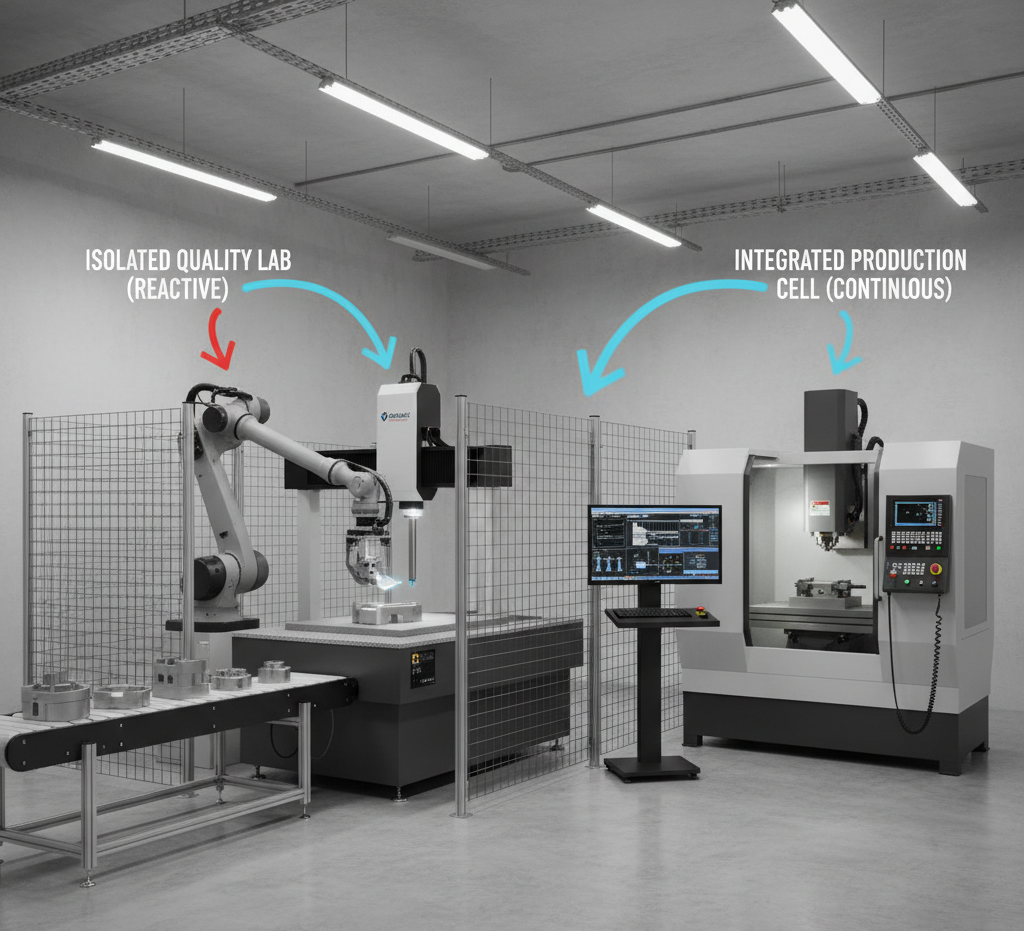
Image 1: Conceptual Illustration of an Automated CMM Cell.
A diagram depicts a conveyor belt feeding parts into a robotic cell. A robotic arm is shown picking a part from the conveyor and placing it onto a CMM platform for measurement. A visual link is shown from the CMM to a data terminal and a CNC machine, symbolizing the closed-loop feedback system. This visualization represents the shift from an isolated, reactive quality lab to a continuous, integrated production cell.
3.3 The Power of Digital Twins and Simulation
Digital twin technology, the creation of a virtual replica of a physical asset, is a foundational element of Industry 4.0. The CMM plays an indispensable role in this technology by providing the high-accuracy dimensional data needed to validate and maintain the integrity of the virtual model. The CMM's precise measurements serve as the primary source of truth, ensuring that the digital twin accurately reflects its physical counterpart in real time.
This relationship provides profound strategic benefits, most notably in the form of offline programming and simulation. Historically, programming a CMM measurement routine required taking the physical machine offline, leading to downtime and a reduction in productivity. With a digital twin, engineers can program and simulate CMM routines in a virtual environment, testing for potential collisions, optimizing probe paths, and validating the program before it is ever sent to the physical CMM. This capability reduces downtime, accelerates programming, and improves overall efficiency. The following diagram illustrates this symbiotic relationship between the physical and digital worlds.
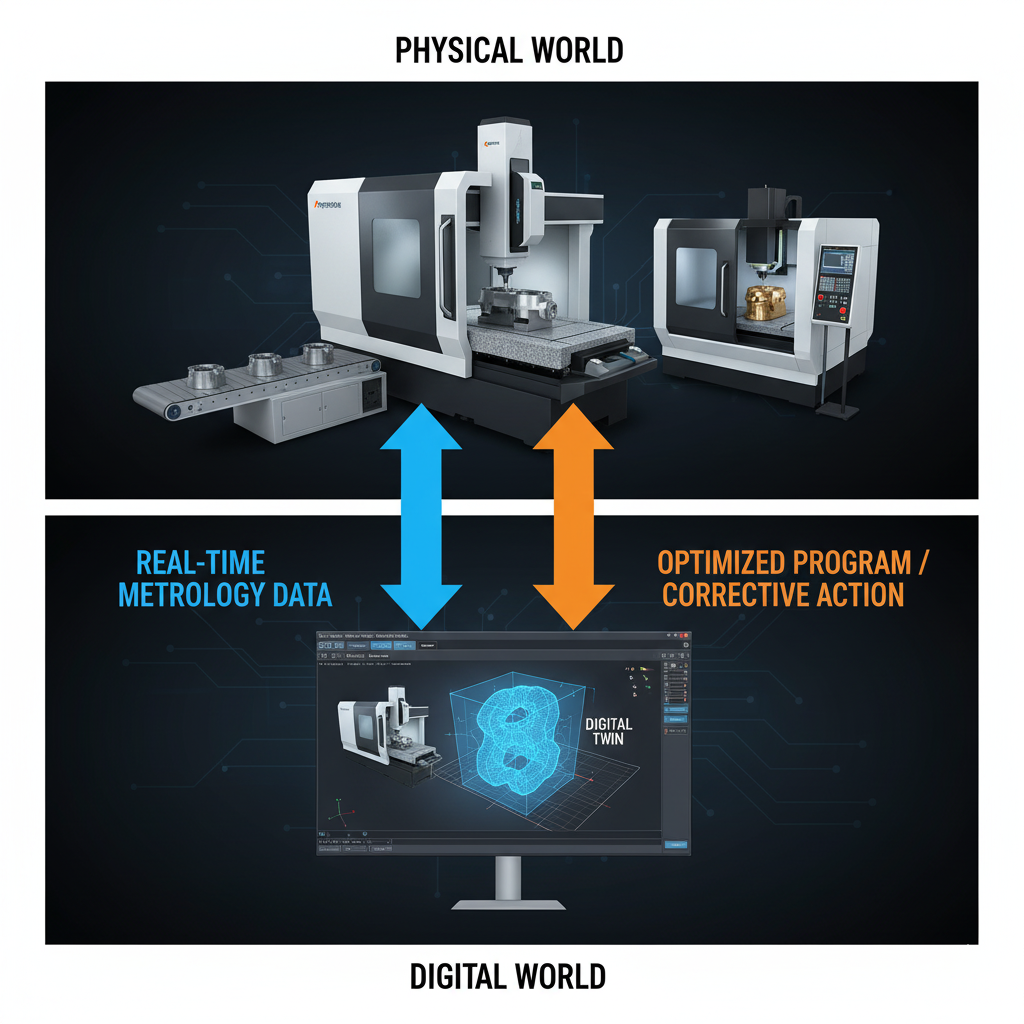
Image 2: Conceptual Diagram of the Digital Twin Feedback Loop.
A diagram shows two parallel worlds: a "Physical World" and a "Digital World." In the Physical World, a CMM is shown measuring a physical part. In the Digital World, a digital twin of the part is shown in a simulation environment. A prominent arrow labeled "Real-Time Data" or "Metrology Data" points from the CMM in the Physical World to the digital twin in the Digital World. An arrow labeled "Corrective Action" or "Optimized Program" points in the opposite direction, from the Digital World to the Physical World, symbolizing the transfer of insights back into the physical process.
3.4 Artificial Intelligence and Predictive Metrology
The integration of artificial intelligence (AI) and machine learning algorithms into CMM software is enabling a new era of "predictive metrology" that goes beyond confirming quality to actively contributing to its improvement.18 AI systems can analyze the massive volumes of data generated by CMMs and IIoT sensors to identify subtle patterns and anomalies that would be undetectable to human observers.31
This capability creates a powerful fusion of quality control and asset management. Traditionally, these two functions operated in separate silos within a factory. However, the data from a CMM, which is used to measure product quality, can now be leveraged to infer the health and performance of the machine that produced the part. For instance, a subtle, consistent trend in dimensional deviation detected by a CMM might be an early warning sign of tool wear, a spindle issue, or thermal drift in the CNC machine. This allows for a shift from reactive maintenance—fixing a machine after it has broken down—to predictive maintenance, where potential failures are identified in advance, preventing costly downtime and catastrophic breakdowns. The CMM’s role expands from a quality tool to a diagnostic hub, providing a cohesive, single-system view of both product quality and equipment health.
4. Quantifiable Value and Real-World Applications
4.1 Strategic Advantages and ROI
The integration of modern CMMs into an Industry 4.0 strategy delivers a range of quantifiable benefits. By enabling closed-loop feedback and proactive process control, companies can significantly reduce waste and rework, with some case studies reporting reductions of up to 30%. This leads to a higher first-pass yield, fewer rejected parts, and a measurable improvement in overall equipment effectiveness (OEE).
Furthermore, automated inspection routines and offline programming accelerate inspection cycles and reduce production delays, which translates to faster lead times and more consistent delivery for customers. The ability to perform continuous, in-line inspection and reduce manual intervention also leads to significant cost reductions.
The following graphs provide a conceptual visualization of the strategic value delivered by CMMs in the smart factory.
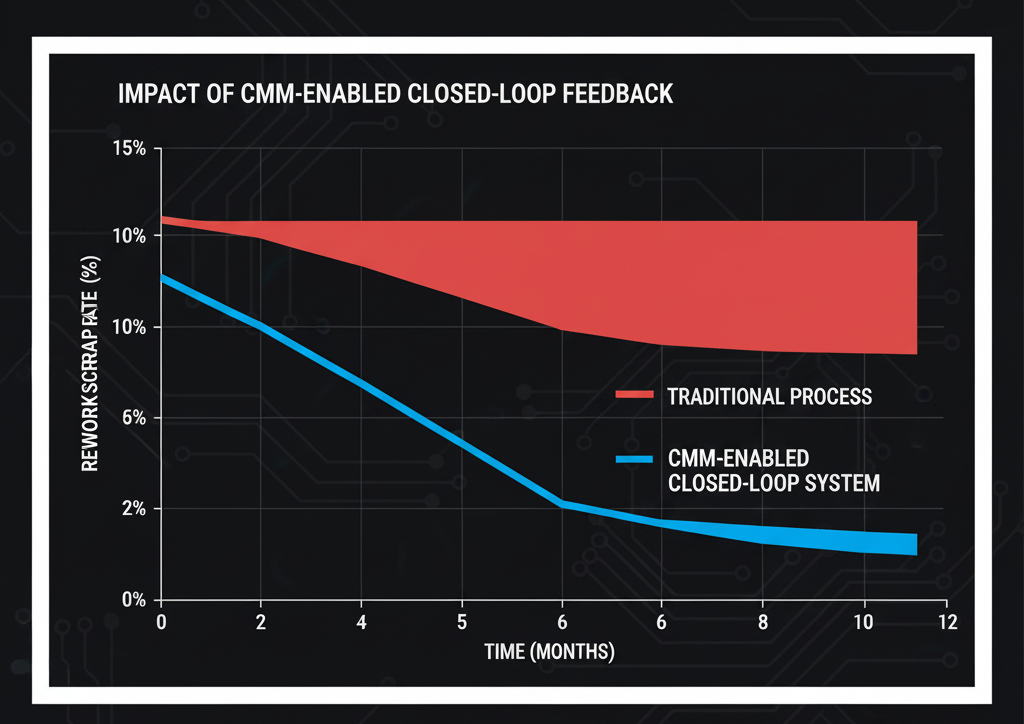
Graph 1: Impact of CMM-Enabled Closed-Loop Feedback.
A line graph shows two curves charting "Rework/Scrap Rate" as a percentage over "Time" in months. The top line, labeled "Traditional Process," remains high and relatively flat. The bottom line, labeled "CMM-Enabled Closed-Loop System," starts at the same high point but shows a sharp, steep decline, leveling off at a significantly lower rate. This graph visually represents the tangible cost savings and efficiency gains achieved by moving from a reactive to a proactive quality system.
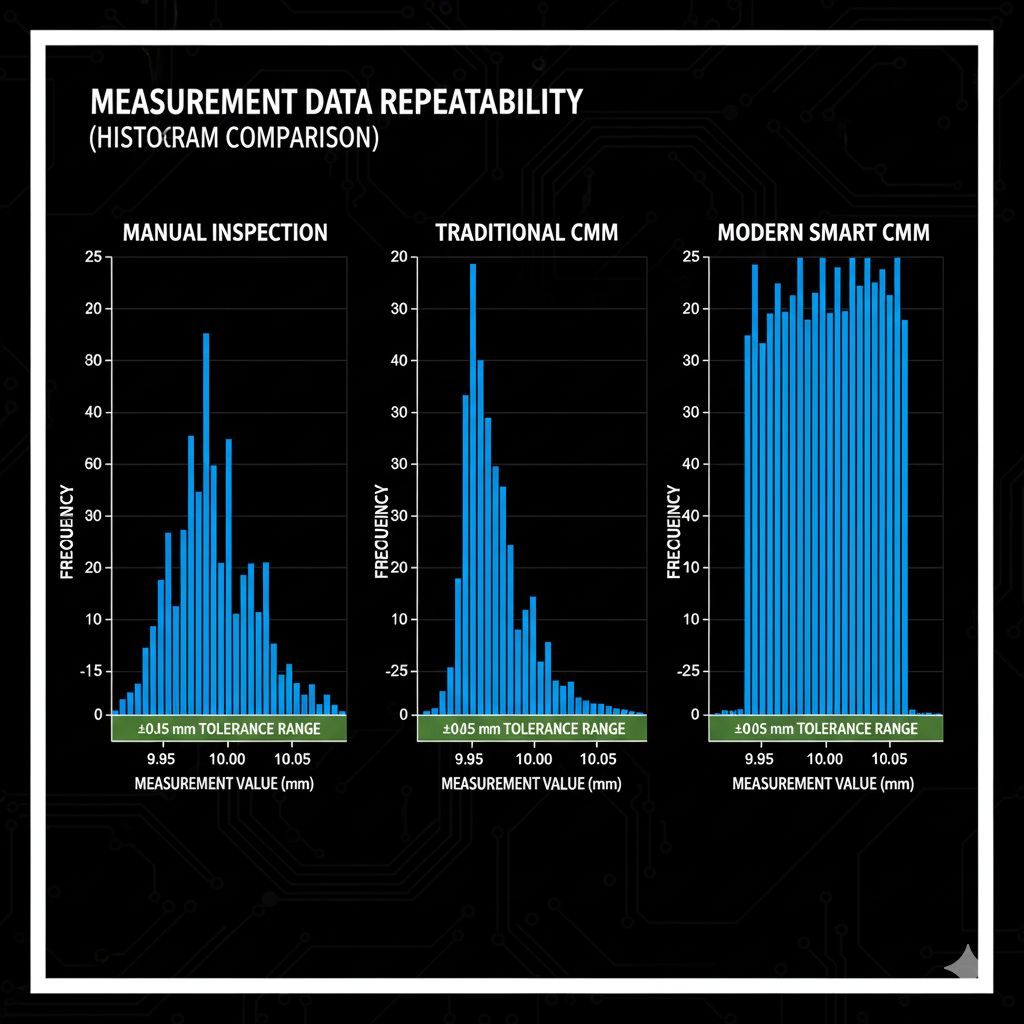
Graph 2: Measurement Data Repeatability (Histogram Comparison)
A histogram compares the distribution of measurement data points for a specific part characteristic (e.g., a 10 mm length with a tolerance of ±0.05 mm) across three scenarios. The first histogram, labeled "Manual Inspection," shows a wide, scattered distribution of values, indicating low precision and high variability. The second, labeled "Traditional CMM," shows a significantly narrower, but still varied, distribution. The third, labeled "Modern Smart CMM," shows an extremely narrow, centered distribution well within the specified tolerance range. This visually demonstrates the superior accuracy and repeatability of modern metrology over traditional methods and highlights the improved process capability.
4.2 Industry Case Studies
The strategic advantages of CMM integration are evidenced across various high-stakes industries:
Aerospace: In aerospace manufacturing, where dimensional accuracy is paramount, CMMs are critical for high-value components like turbine blades. By processing thousands of data points from CMMs, cognitive automation systems can instantly analyze dimensional data and automatically adjust CNC machining parameters in real time. This closed-loop process ensures compliance with rigorous quality standards, such as AS9100, while eliminating rework and reducing scrap. A study found that a company could perform its quality control workflow "twice as fast" with modern metrology solutions, which is a major factor in an industry with extremely large, bulky parts and high material costs.
Automotive: The automotive industry relies on precision for high-volume production. A leading automaker integrated AI-driven analytics with 3D laser scanning on its assembly line to detect welding deviations. The system was able to recommend toolpath corrections within seconds, resulting in a 30% reduction in rework time and a measurable improvement in overall equipment effectiveness (OEE).
Medical Devices: In the medical device industry, stringent regulatory compliance is non-negotiable. One manufacturer applied AI-driven analytics to inline optical measurements of orthopedic implants. Instead of relying on periodic manual sampling, the system provided 100% inspection coverage and real-time alerts for micro-defects. This solution not only ensured compliance with standards like ISO 13485 but also reduced inspection costs by nearly 25%.
5. The Future of Metrology: Challenges and OutlooK
5.1 From Precision to Prediction: A Proactive Future
The trajectory of metrology is clear: from a reactive tool that confirms quality after the fact to a proactive, preventative science that predicts and prevents defects before they occur. This transformation is driving the development of autonomous metrology systems that can self-calibrate, adapt to environmental changes, and even conduct inspections simultaneously with production. This shift allows CMMs to serve as central data hubs, providing continuous, actionable insights that will be the foundation for an even more agile and resilient manufacturing future.
5.2 Implementation Challenges
Despite the immense potential, the transition to a fully integrated, data-driven metrology system is not without its challenges. The enormous volume of data generated by modern metrology equipment requires robust data management and analytics tools to process and make sense of the information. Furthermore, as CMMs become more interconnected and integrated into the broader factory network, they become potential targets for cyber threats. A strong cybersecurity posture, including data encryption and secure authentication, is essential to protect these systems from data breaches and unauthorized access.6 Finally, ensuring the traceability and standardization of digital measurements presents a new set of challenges, necessitating the development of new calibration protocols to ensure consistent measurements and maintain a clear chain of traceability.
5.3 A Vision for the Future
The future of CMMs in manufacturing is one of full integration, where they become indispensable partners in the creation of agile, adaptive, and efficient smart factories.13 The continued development of technologies like digital twins and AI will enable even more advanced capabilities, such as virtual testing and simulation that reduce the need for physical prototypes. The CMM will not just measure parts; it will optimize entire processes, ensuring that manufacturers are not only keeping pace with the digital era but also leading it.
6. Conclusion and Recommendations
The analysis indicates that the role of the Coordinate Measuring Machine is no longer confined to a lab or a single function. It has evolved from a standalone tool into a central, strategic asset that provides the high-fidelity data essential for the success of Industry 4.0 and the modern smart factory. The value of a modern CMM lies not in its physical capabilities alone, but in its ability to enable closed-loop manufacturing, drive process optimization through automation, and serve as a critical data source for digital twins and predictive analytics.
Based on this, the following recommendations are provided for manufacturing leaders seeking to implement a modern metrology strategy:
Conduct a Holistic Needs Assessment: Leaders should avoid viewing a CMM as a simple hardware purchase. Instead, a comprehensive needs assessment is required to identify specific pain points and strategic goals, ensuring the selected solution integrates seamlessly with existing systems and addresses the unique challenges of the organization's manufacturing processes.
Prioritize Software and Integration: The software platform and its ability to enable a closed-loop feedback system and digital twin technology are more valuable than the hardware itself. Decisions should prioritize systems that can communicate with existing equipment and provide actionable, real-time data.
Invest in Workforce Development: The human role in the smart factory is not being eliminated but is evolving. Companies must invest in training their quality engineers and operators to be proficient in data analysis and to understand how to leverage advanced metrology software for higher-level problem-solving and continuous improvement.
Develop a Robust Data and Security Strategy: As data becomes the lifeblood of the factory, leaders must proactively address the new challenges of data management, storage, and cybersecurity. A strategic plan for securing data and managing its flow is critical to protecting intellectual property and ensuring the integrity of the manufacturing process.
Click on Image to See Our Services
