In the competitive world of advanced manufacturing, the persistent challenge of translating digital designs into flawless physical production has long plagued engineers and quality professionals. High setup costs, lengthy commissioning cycles, and the “sim-to-real” gap—where virtual models fail to perfectly match real-world variables like lighting, physics, and sensor behavior—have slowed innovation. ABB Robotics is solving this head-on with Physical AI, a powerful fusion of embodied intelligence and hyper-accurate simulation that seamlessly connects virtual planning to real-world execution.
As detailed across ABB’s robotics portfolio, this approach empowers manufacturers to design, test, and deploy automation systems faster, cheaper, and with greater precision—critical for industries where Coordinate Measuring Machines (CMMs) and metrology play central roles in quality assurance.
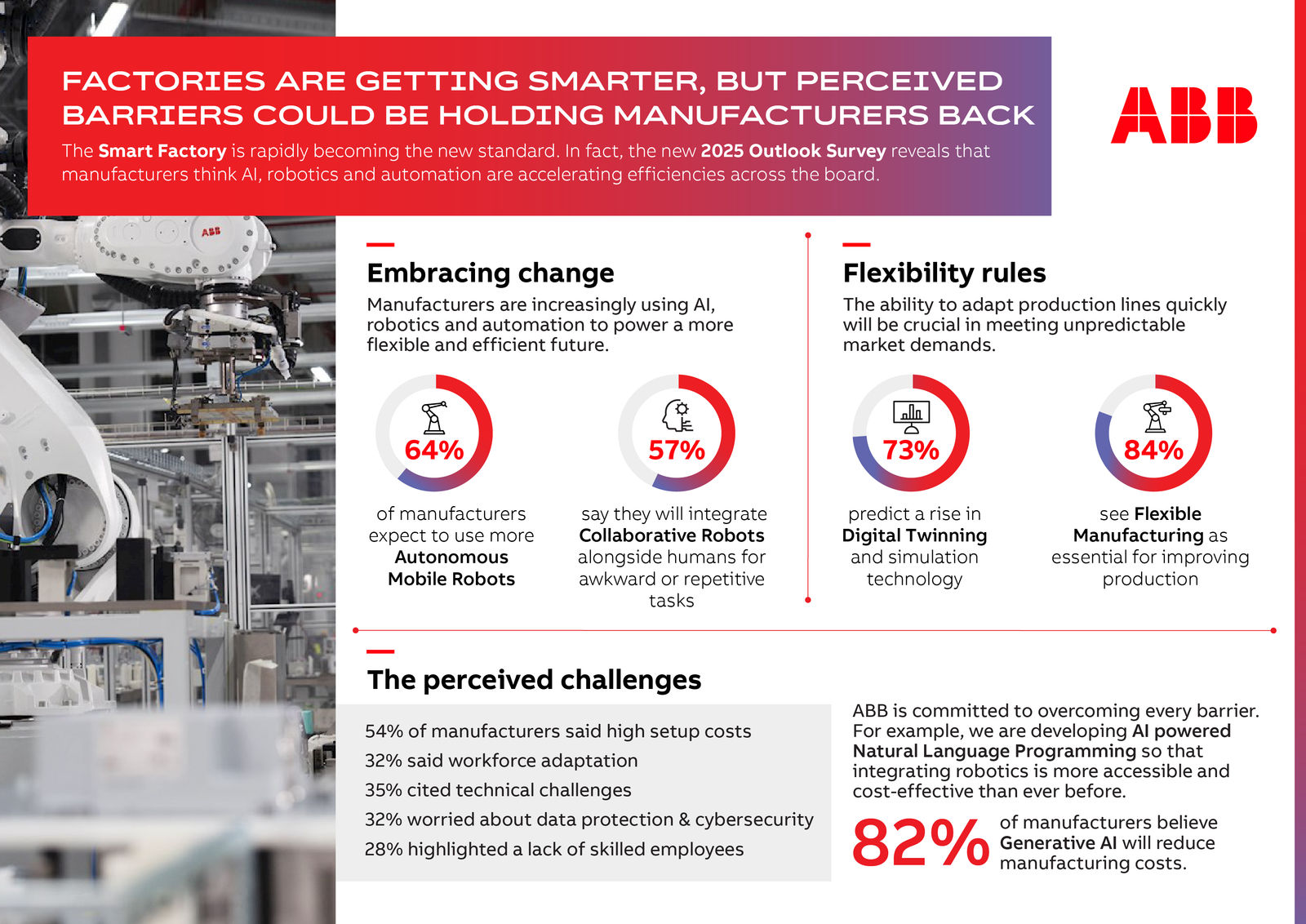
ABB’s robotics ecosystem forms the foundation. The company offers a full range of industrial and collaborative robots (including GoFa CRB 15000 cobots and YuMi dual-arm models), high-speed delta and SCARA arms, paint specialists, palletizing units, and Autonomous Mobile Robots (AMRs) like the Flexley series. These are powered by OmniCore controllers, RobotWare software, and intuitive tools such as Wizard Easy Programming and AppStudio for no-code customization. OptiFact™ provides real-time production insights, while vision systems and IoT gateways link digital plans directly to factory operations.
The breakthrough comes in simulation. ABB’s industry-leading RobotStudio suite has long enabled offline programming and virtual commissioning. Now, through a strategic partnership with NVIDIA, ABB is introducing RobotStudio HyperReality (full release H2 2026). This integrates NVIDIA Omniverse to create photorealistic, physics-accurate digital twins complete with multi-layer modeling of products, environments, and robots. Synthetic data generation with domain randomization trains AI vision and perception models under countless real-world variations.
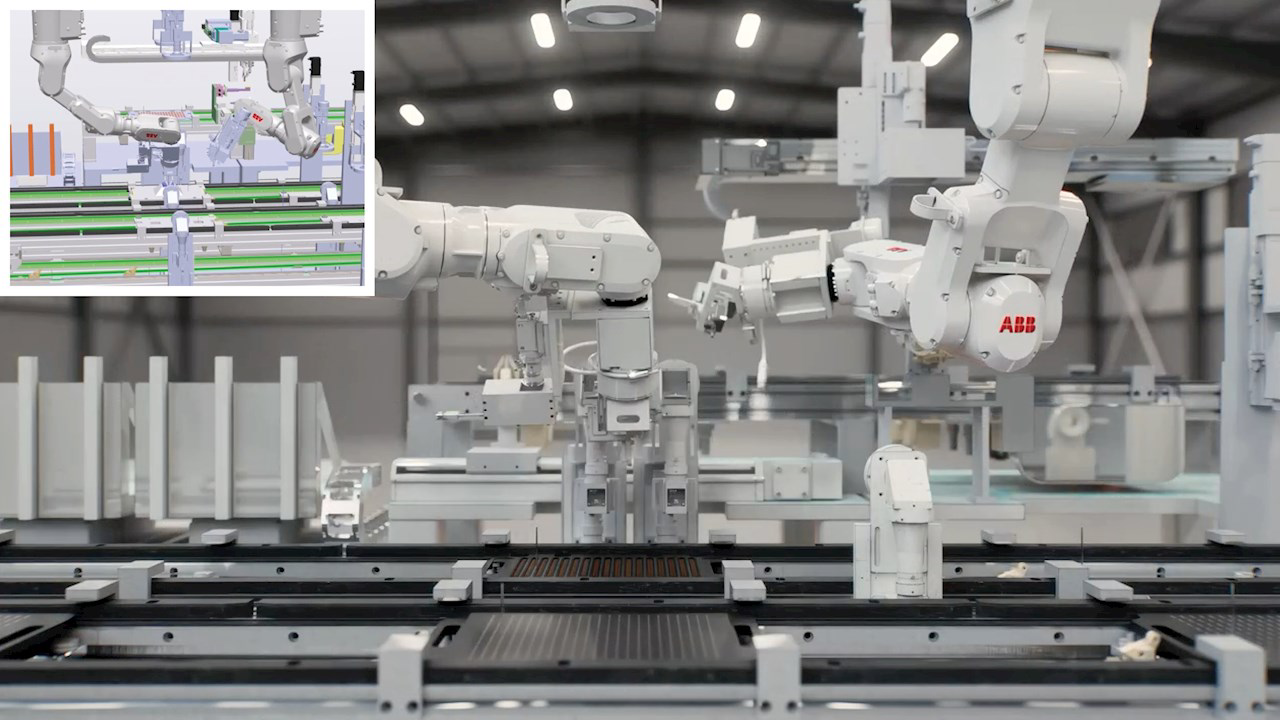
A virtual controller running identical firmware to physical robots ensures up to 99% sim-to-real transfer accuracy. ABB’s Absolute Accuracy technology further reduces positioning errors to approximately 0.5 mm. The result: manufacturers can validate entire production lines, train AI models, and commission systems virtually before a single physical robot moves.
Quantifiable gains are dramatic. Commissioning time drops by up to 80%, development costs fall by up to 40%, and time-to-market shortens by 50%. Concurrent engineering becomes standard, and fleets of robots can be updated globally from a single virtual source. For precision-focused operations, this fidelity directly supports CMM integration—robots handle parts with repeatable accuracy, reducing the need for extensive physical tuning and minimizing quality variances that metrologists must later verify.
A pilot project with Foxconn, the world’s largest electronics contract manufacturer, showcases the power. In high-mix assembly of delicate components across multiple product variants, robots trained in HyperReality achieved seamless transfer to live lines with 99% fidelity, dramatically cutting setup time and enabling rapid product iterations.
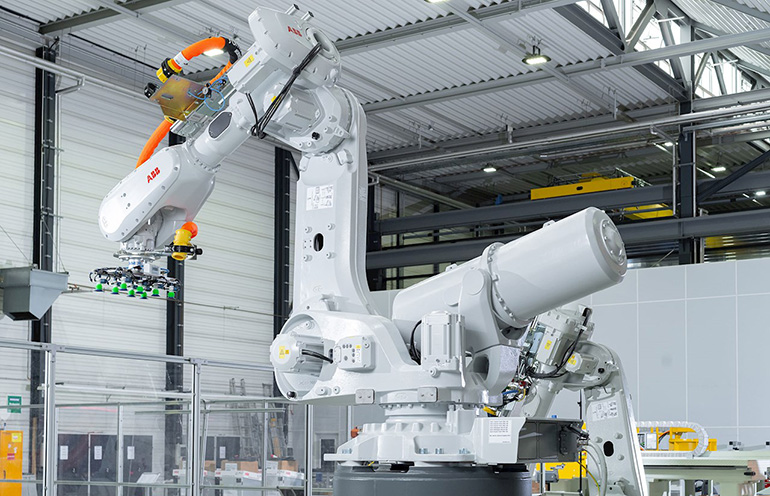
The broader ecosystem amplifies these gains. Collaborative GoFa cobots work safely alongside humans, AMRs handle dynamic logistics, and vision-guided applications like PickMaster ensure adaptability. ABB’s vision of “Autonomous Versatile Robotics” takes this further—robots that switch tasks without reprogramming, using AI perception to navigate unstructured environments.
Marc Segura, President of ABB Robotics, captured the momentum: the partnership with NVIDIA has “removed the last barriers to making industrial and physical AI a reality at a global scale by closing the sim-to-real gap.” NVIDIA’s Deepu Talla added that industry needs “physically accurate simulation to bridge the gap between virtual training and the real-world deployment of AI-driven robotics at scale.”
For CMM Quarterly readers focused on precision manufacturing and quality control, ABB’s Physical AI delivers a clear message: virtual testing no longer compromises real-world performance. High-fidelity digital twins ensure robots position parts exactly where CMMs expect them, streamline automated inspection cells, and support flexible, resilient production lines that adapt to market demands overnight.
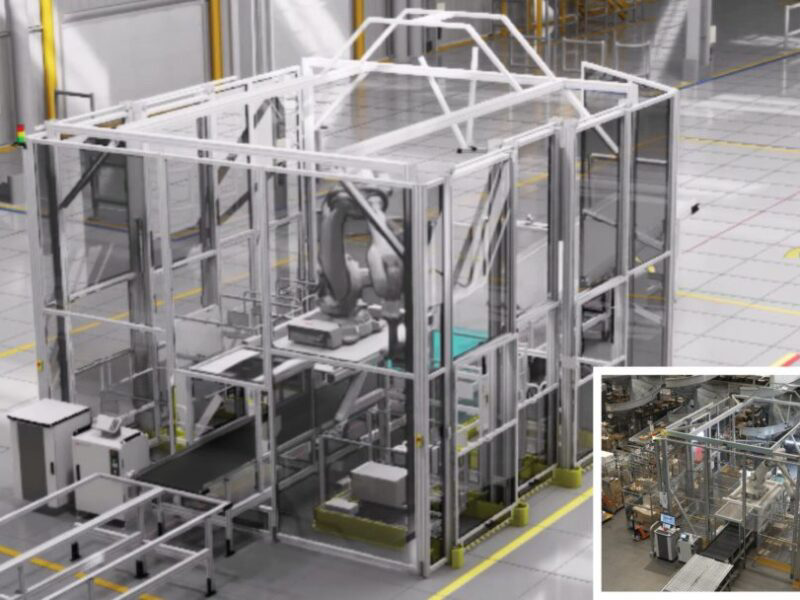
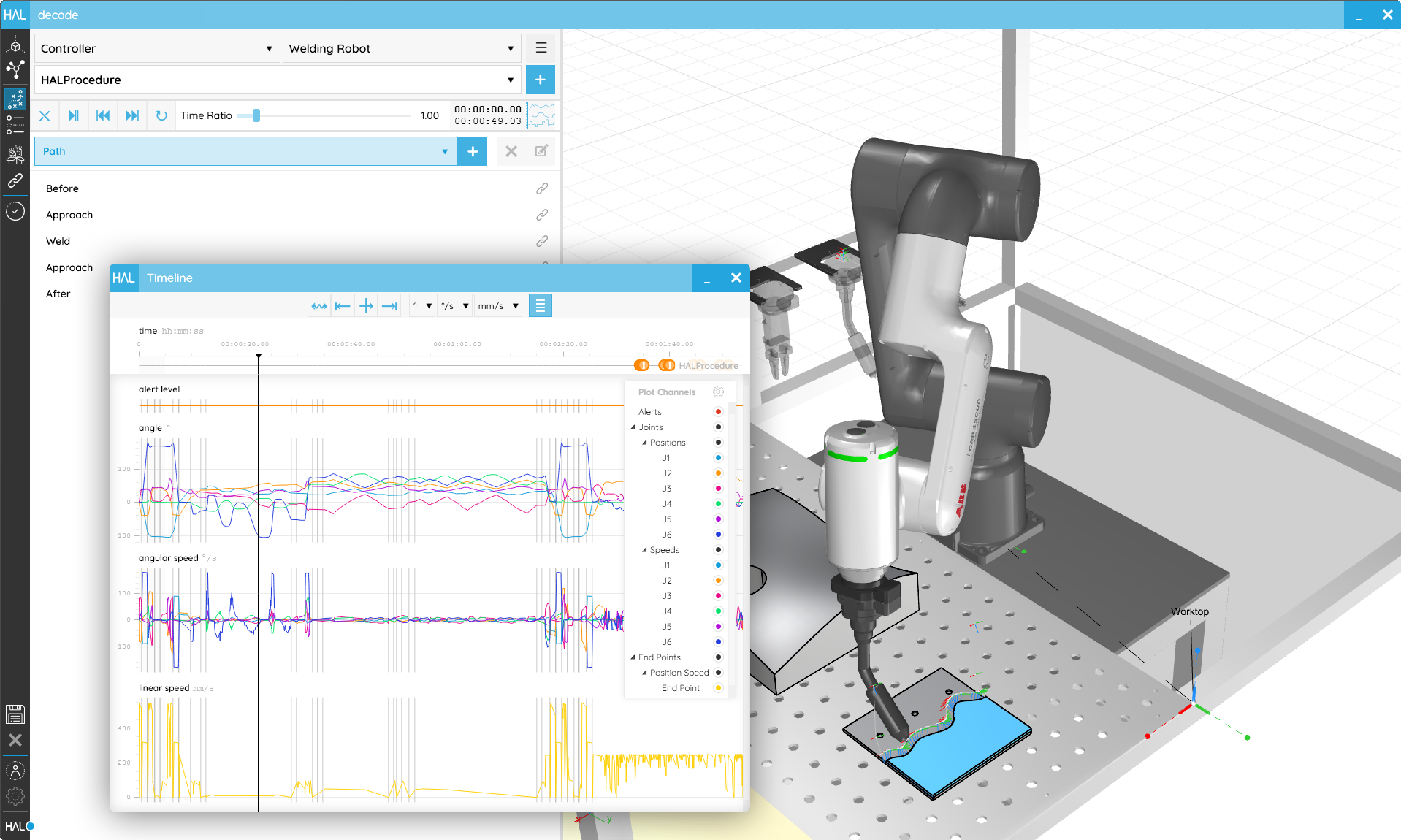
ABB Robotics is turning the promise of Physical AI into practical reality today—empowering manufacturers to move from pixels to production with confidence, precision, and speed. The factories of tomorrow are being engineered in virtual environments right now, and they will perform flawlessly on the shop floor.
All insights drawn directly from ABB’s official robotics resources at https://www.abb.com/global/en/areas/robotics.