CMM Quarterly | Practical Guidance for Precision Manufacturers
In today’s high-stakes manufacturing environment—whether you’re producing aerospace components, automotive assemblies, or medical devices—your Coordinate Measuring Machine (CMM) is the backbone of quality assurance. But even the best CMM hardware and software can underperform without expert guidance. A skilled CMM consultant can optimize programming, improve measurement accuracy, train your team, troubleshoot complex issues, and deliver third-party validation that meets stringent industry standards like GD&T (Geometric Dimensioning and Tolerancing), ISO, and AS9100.
The right consultant doesn’t just solve today’s problems—they build long-term capability in your Quality department. Here’s a practical guide to what to look for, the key questions to ask, and a ready-to-use evaluation checklist.
What to Look For in a CMM Consultant
1. Deep, Hands-On Experience
Seek consultants with decades of real-world CMM programming and metrology expertise, not just theoretical knowledge. Look for proven proficiency across popular platforms (e.g., Calypso, CMM Manager, PC-DMIS, or MCOSMOS) and a variety of machine brands (Zeiss, Hexagon, Mitutoyo, etc.). Experience in your specific industry is a major plus—it means they understand unique challenges like tight tolerances in aerospace or high-volume repeatability in automotive.
2. Comprehensive Service Portfolio
The best consultants offer more than one-off programming. Look for a full suite that includes:
Custom CMM programming and optimization
On-demand or self-paced training (videos, handbooks, live sessions)
Troubleshooting, software configuration, and best-practice audits
Third-party measurement validation and verification
Ongoing support after the engagement ends
3. Strong Track Record and References
Request case studies or client testimonials that show measurable results—reduced inspection time, fewer false rejects, improved first-article approval rates, or successful audits. A transparent consultant will happily share anonymized examples.
4. Commitment to Knowledge Transfer
Great consultants don’t just “fix it and leave.” They empower your team through training so internal capabilities grow. Ongoing availability for questions is a hallmark of quality service.
5. Cultural Fit and Communication
Your consultant should speak the language of your shop floor, respect your internal processes, and collaborate seamlessly with your Quality engineers and operators.
6. Value Over Lowest Price
While cost matters, the cheapest option often leads to rework or incomplete solutions. Focus on ROI: faster throughput, reduced scrap, and compliance confidence usually deliver payback many times over.
The Importance of Online Support
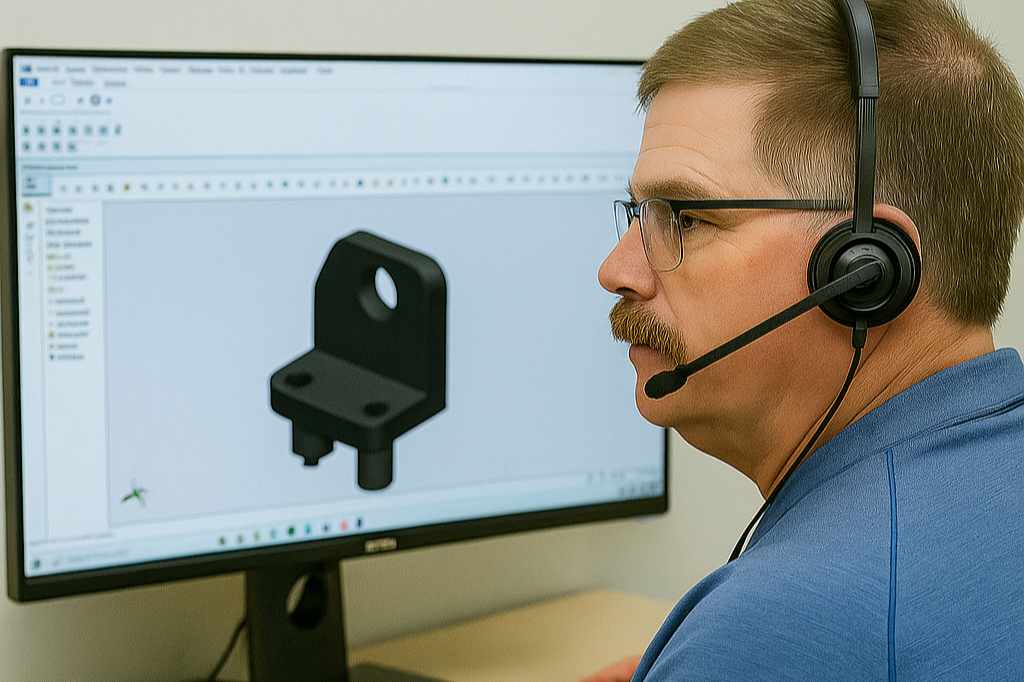
In an increasingly digital manufacturing world, reliable online support has become a critical factor when selecting a CMM consultant. Whether your team encounters a sudden software glitch during a production run, needs quick clarification on a measurement strategy, or wants remote guidance for programming updates, responsive online support minimizes downtime and keeps your operations running smoothly. Look for consultants who provide flexible options such as email ticketing, phone support, video calls, screen-sharing sessions, or even remote access for diagnostics. This is especially valuable for manufacturers with multiple shifts, global teams, or limited on-site resources. Strong online support ensures that help is available when you need it most—often within hours rather than days—while also enabling cost-effective ongoing training and troubleshooting without the expense of on-site visits. Consultants who invest in robust online support demonstrate a true partnership mindset, helping your Quality department build resilience and self-sufficiency.
Key Questions to Ask Potential CMM Consultants
Don’t hesitate to interview multiple providers. Here are the most revealing questions:
What is your specific experience with our CMM brand, software version, and typical part geometries? (Ask for examples.)
Can you share recent case studies or references from clients in our industry? What results did you help them achieve (e.g., cycle-time reduction, accuracy improvements)?
How do you approach knowledge transfer and training? Do you provide self-paced materials, live sessions, and post-training support?
What standards and methodologies do you follow for measurement strategies (GD&T, ISO 10360, ASME Y14.5)?
How do you handle third-party validation or verification of measurement methods?
What is your availability for ongoing support after the initial project? How quickly can you respond to questions?
How do you measure success in an engagement? What KPIs do you track?
Can you provide a clear, transparent project scope and pricing model? Are there any hidden fees?
How do you stay current with evolving CMM technology, probes, and software updates?
What is your philosophy on customizing solutions versus using off-the-shelf approaches?
CMM Consultant Evaluation Checklist
Use this simple checklist to compare providers side-by-side. Score each 1–5 and total the results.
Proven experience (10+ years preferred) in CMM programming and metrology
Proficiency in our specific CMM software and hardware
Industry-specific references and measurable success stories
Full range of services: programming, training, validation, troubleshooting
Strong emphasis on team training and long-term knowledge transfer
Clear plan for ongoing support and responsiveness (including online options)
Alignment with relevant standards (GD&T, ISO, AS9100, etc.)
Transparent pricing and realistic project timeline
Positive client feedback and professional communication style
Demonstrated ROI focus (efficiency gains, quality improvements)
Total Score: ____ / 50
(A score of 40+ indicates a strong partner.)

Why the Right Choice Matters
A well-chosen CMM consultant can reduce inspection times by 30–50%, slash rework, and give your team the confidence to handle increasingly complex parts. Many manufacturers report faster new-product introductions and smoother audits after partnering with experienced experts.
Organizations like CMM Quarterly exemplify the gold standard in this space. With over 40 years of specialized CMM experience, they deliver targeted programming, comprehensive software training (including Calypso and CMM Manager video courses with handbooks), and flexible consulting that includes troubleshooting, best-practice audits, and third-party validation—always with a focus on building your internal capabilities rather than creating dependency.
Final Advice
Take your time. Request proposals from at least three consultants, ask for live demonstrations where possible, and trust your team’s gut feeling on cultural fit. The investment you make in choosing wisely will pay dividends in quality, efficiency, and peace of mind for years to come.
Need help getting started? CMM Quarterly’s resources, training programs, and consulting services are designed exactly for manufacturers facing these challenges. Visit cmm-quarterly.squarespace.com or reach out at cmmquarterly@gmail.com to explore how expert guidance can transform your Quality department.
Stay ahead with CMM Quarterly—your go-to resource for metrology excellence.
