
By Sam Jagger
Achieving zero-defect production while maintaining flexibility and speed requires more than isolated measurement tools. Forward-thinking manufacturers are adopting hybrid measurement strategies that seamlessly combine the strengths of portable metrology (such as articulated arms, handheld scanners, and laser trackers) with inline automated systems (including fixed CMMs, vision systems, and robotic inspection stations). This integrated approach creates a unified quality ecosystem that delivers real-time insights, enhances process control, and drives continuous improvement.
Understanding the Core Technologies
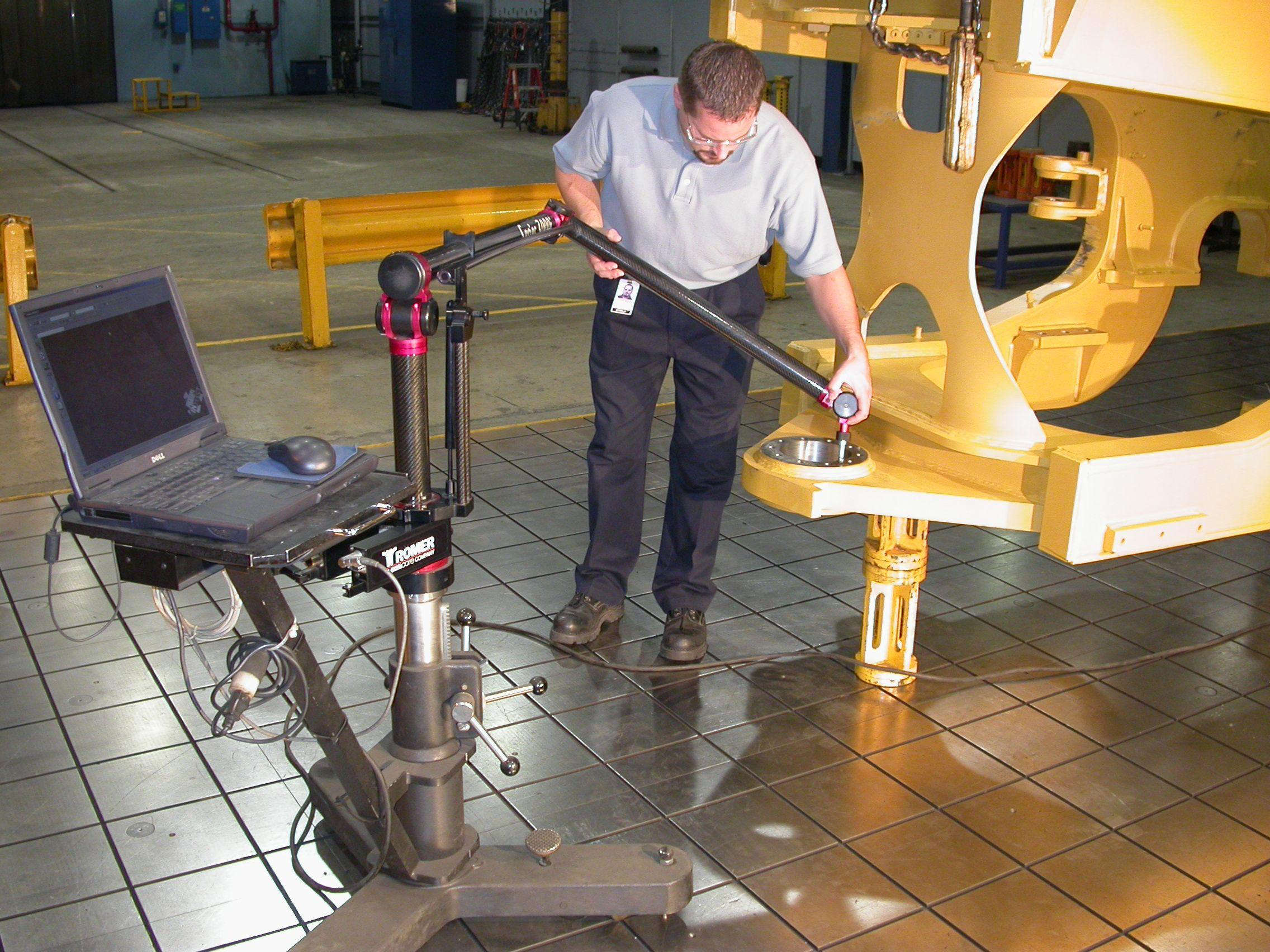
Portable metrology excels in flexibility and on-the-spot verification. Devices like portable CMM arms allow operators to measure large or complex parts directly on the shop floor, in assembly areas, or even at supplier facilities without transporting heavy components to a dedicated lab. They are ideal for first-article inspection, root cause analysis, reverse engineering, and troubleshooting.
Inline metrology, on the other hand, focuses on high-throughput, automated inspection integrated directly into the production line. Systems such as inline CMMs, 3D vision cameras, or laser scanners provide rapid, repeatable measurements on every part (or a high sampling rate), enabling immediate feedback for process adjustments and statistical process control (SPC)
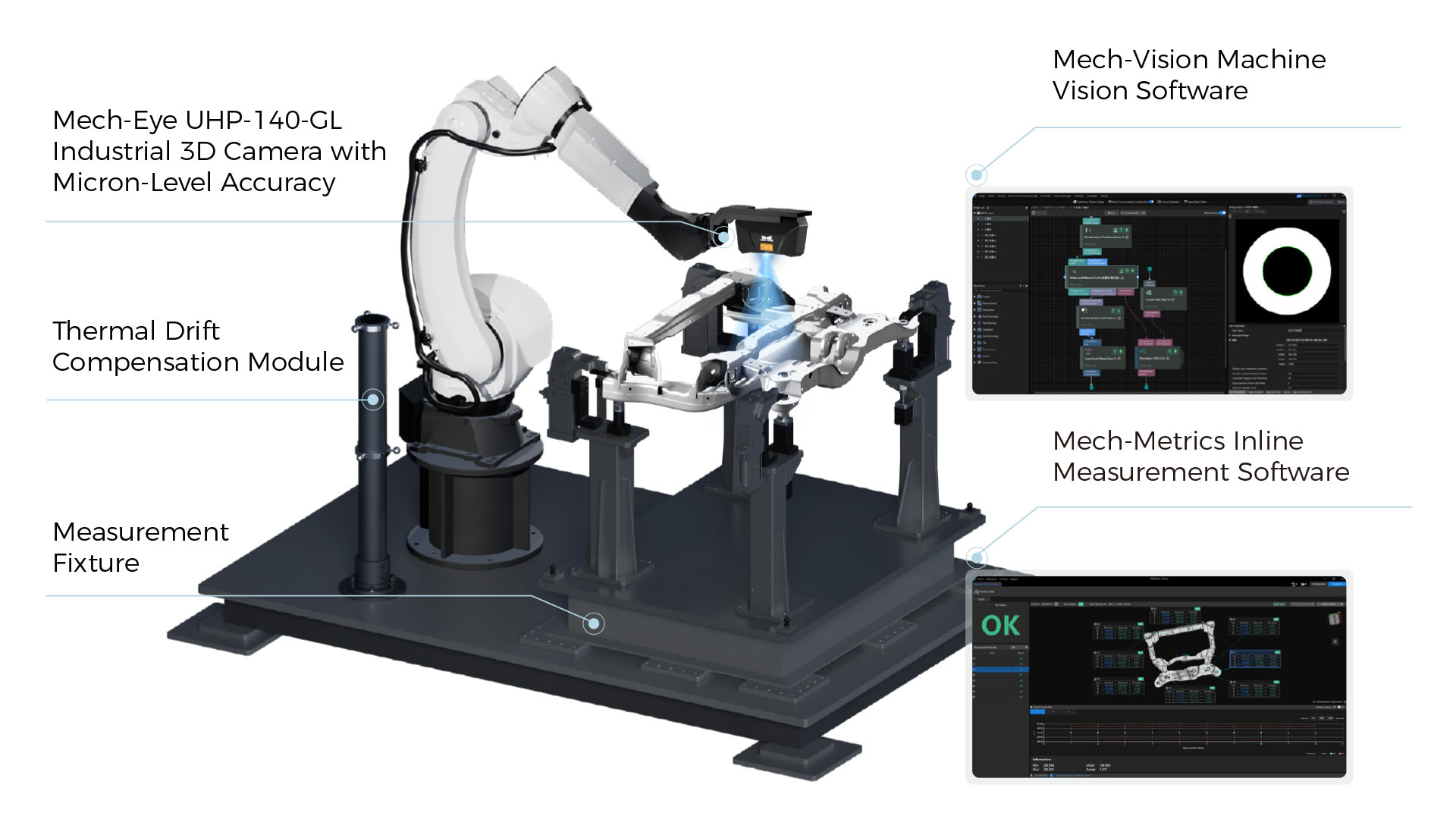
Neither approach is sufficient alone in complex, high-mix environments. Portable tools offer versatility but can be slower for volume production, while inline systems deliver speed and consistency but may lack the adaptability for diverse geometries or offline validation.
The Power of Hybrid Strategies
Hybrid strategies treat portable and inline systems as complementary components of a single measurement ecosystem rather than competing alternatives. Key elements include:
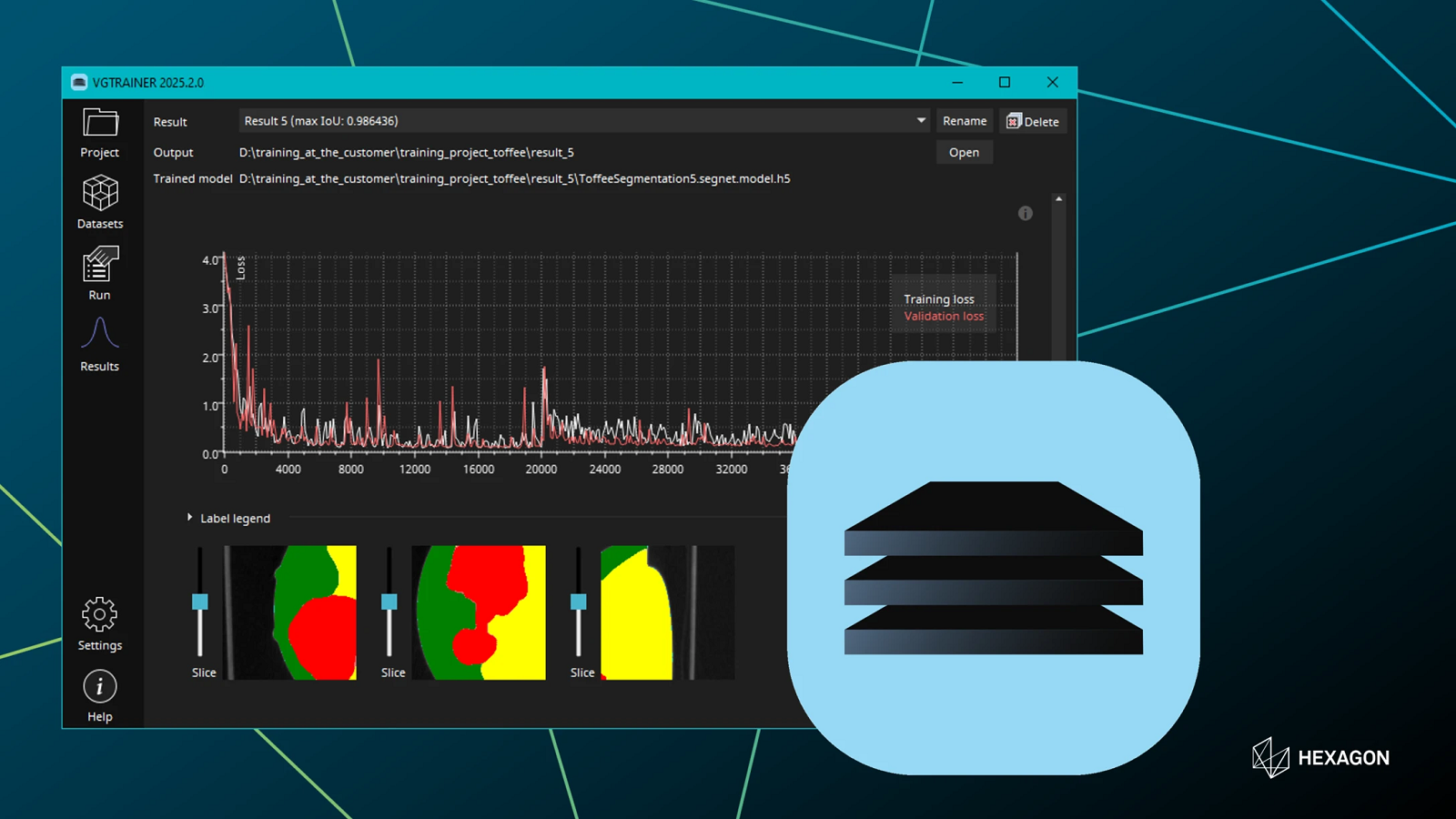
Data Fusion and Integration: Combining datasets from both sources using common software platforms or digital twins. Portable measurements can validate or calibrate inline systems, while inline data provides trends that guide targeted portable interventions.
Closed-Loop Process Control: Inline systems detect deviations in real time and trigger alerts or automatic corrections. Portable tools then perform deeper, high-accuracy diagnostics or confirm fixes on critical features.
Tiered Inspection: Use fast inline scanning for 100% coverage of key characteristics, supplemented by portable high-precision probing for GD&T features requiring tighter tolerances or complex alignments (e.g., projected tolerance zones or datum simulations).
Flexibility for Low-Volume/High-Mix: Inline handles repetitive tasks; portable manages custom or repair work, reducing bottlenecks.
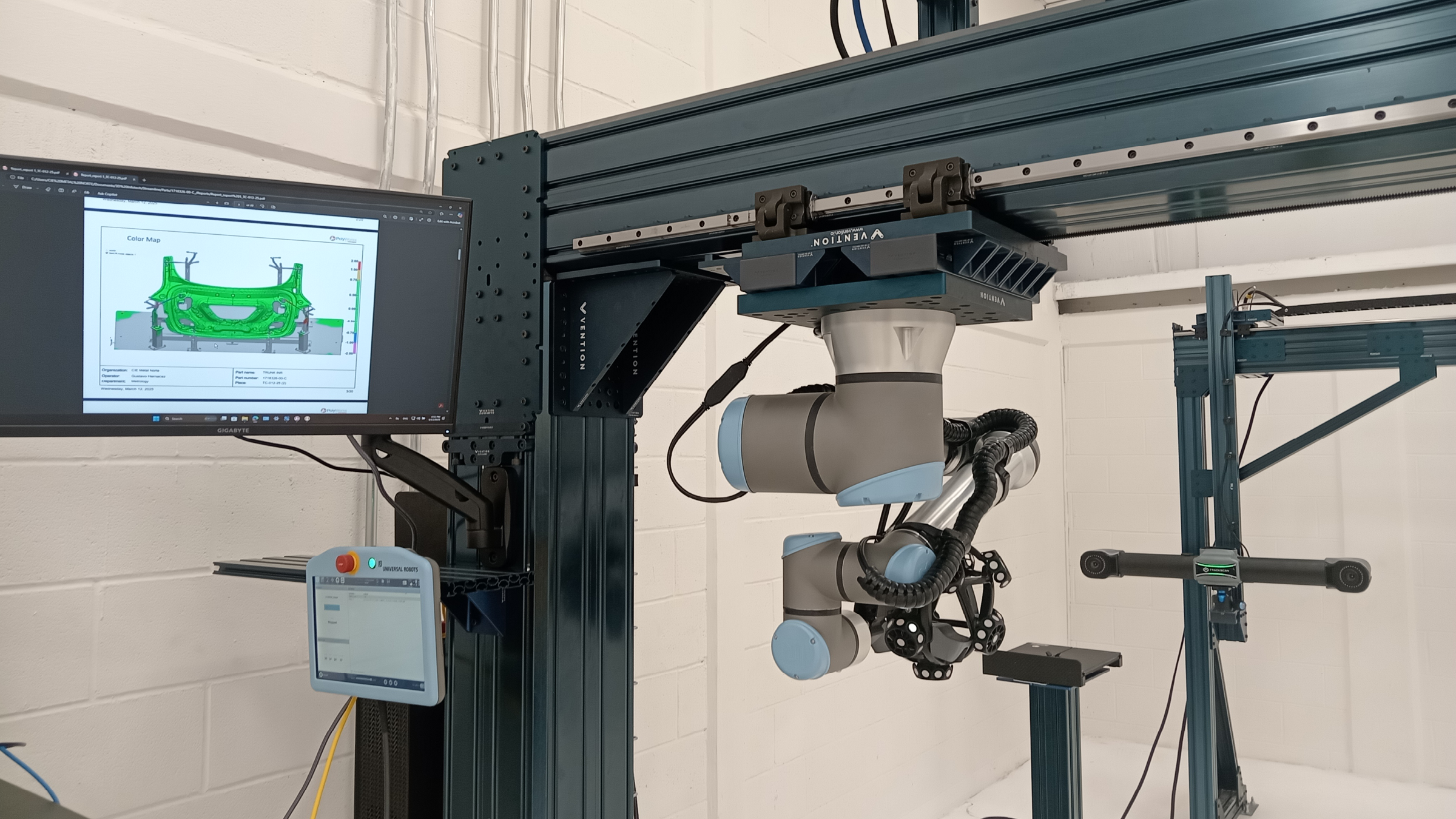
Benefits observed in aerospace, automotive, and medical device manufacturing include reduced scrap rates, faster time-to-market, improved traceability, and better compliance with standards like ASME Y14.5.
Implementation Best Practices
Unified Software Ecosystem: Invest in platforms that support multi-sensor data import, alignment (e.g., best-fit or 3-2-1), and analysis. Look for compatibility with Calypso, CMM Manager, PC-DMIS, or open standards.
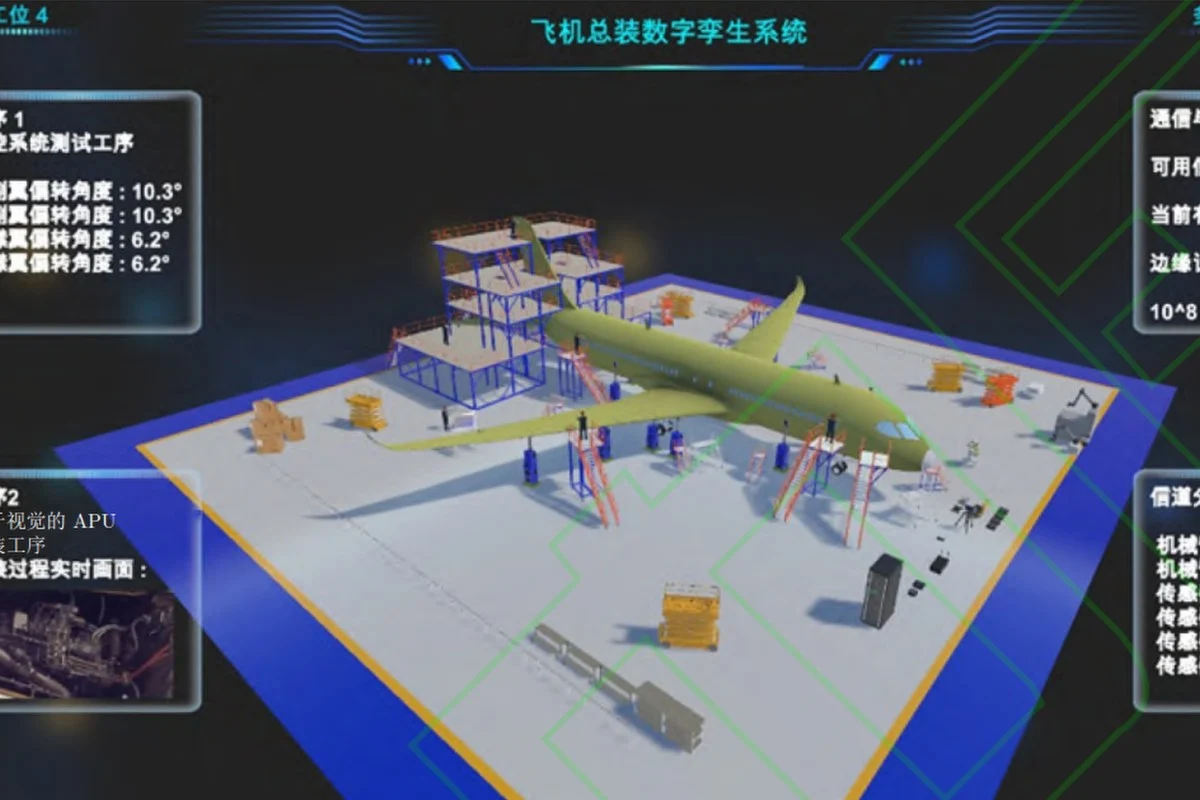
Digital Thread and Twins: Link measurement data to ERP/MES/QMS for end-to-end visibility. Metrology-integrated digital twins can simulate hybrid workflows and predict outcomes.
Operator Training and Ergonomics: Ensure teams are proficient in both technologies. Hybrid strategies reduce physical strain by minimizing part movement.
Validation and Uncertainty Management: Regularly correlate portable and inline results. Use techniques like Bayesian fusion or statistical reconciliation to optimize combined uncertainties.
Scalability: Start with pilot cells (e.g., critical assembly stations) and expand based on ROI.
Real-World Impact and Future Outlook
Manufacturers implementing these strategies report significant gains in efficiency and quality confidence. As AI and smart sensors advance, hybrid systems will become even more intelligent—predictive, self-calibrating, and seamlessly integrated into lights-out manufacturing.
At CMM Quarterly, we continue to champion practical, shop-floor-focused solutions. Hybrid metrology represents the next evolution in dimensional inspection, blending the best of portability and automation.
References
Nova, “Hybrid Metrology” technical overview.
MarketsandMarkets, Inline Metrology Market Report insights.
Various industry resources on CMM and portable metrology integration (Hexagon, FARO, WENZEL, etc.).
For hands-on training, custom programming support, or consulting on implementing hybrid strategies in your operation, contact CMM Quarterly at cmmquarterly@gmail.com. Stay tuned for upcoming articles and workshops on smart manufacturing metrology.
