

Solving Inspection Bottlenecks in Aerospace Manufacturing
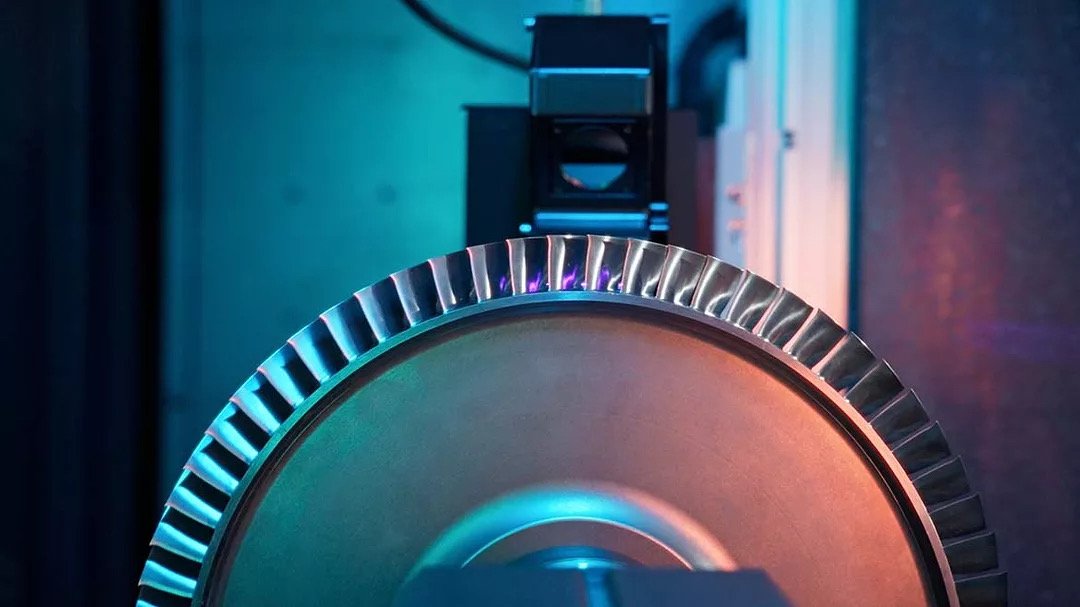
Ask any aerospace manufacturer about their biggest challenge, and one word comes up again and again: speed. For quality, this is in constant tension between maintaining uncompromising precision and meeting production demands.
The One Thing Elon Gets Right Is Designed to Scare You
Not every product decision. Not every public comment. Not every strategic bet. Those are separate conversations. What matters here is the mindset. The operating philosophy. The refusal to accept that “good enough” is a valid finish line.
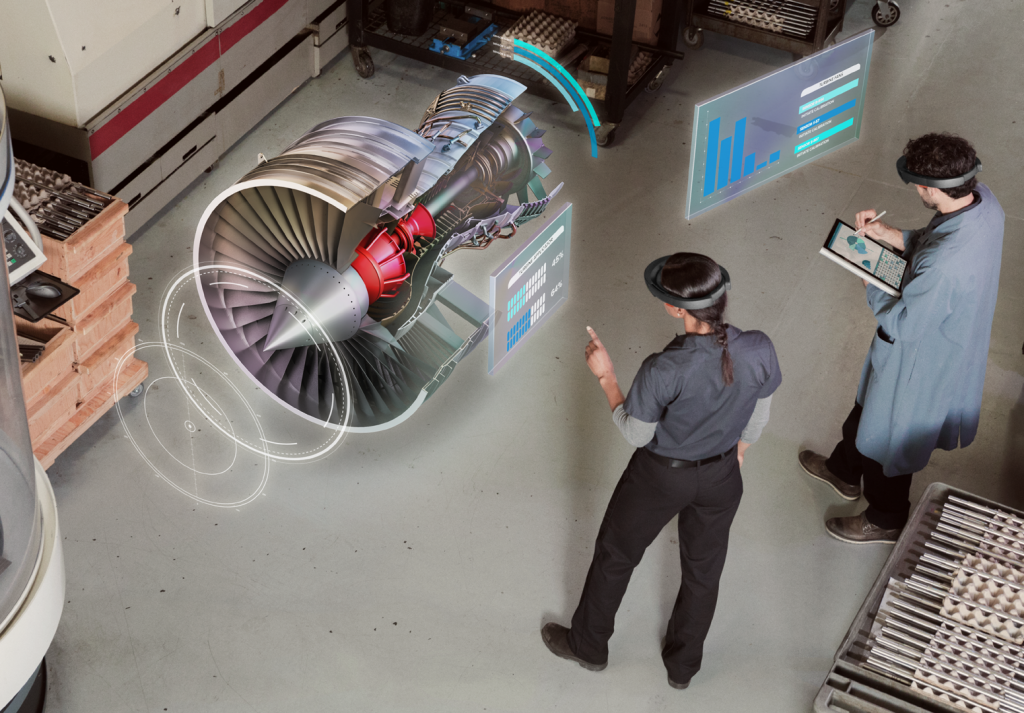
AI-Driven Anomaly Detection: Elevating Precision and Quality Control in Aircraft Wing Manufacturing
Aircraft wings rank among the most complex and safety-critical structures in modern aviation. They generate lift, mount engines and landing gear, store fuel, and endure extreme temperature swings from -50°C to +40°C while flexing under turbulence and aerodynamic loads.
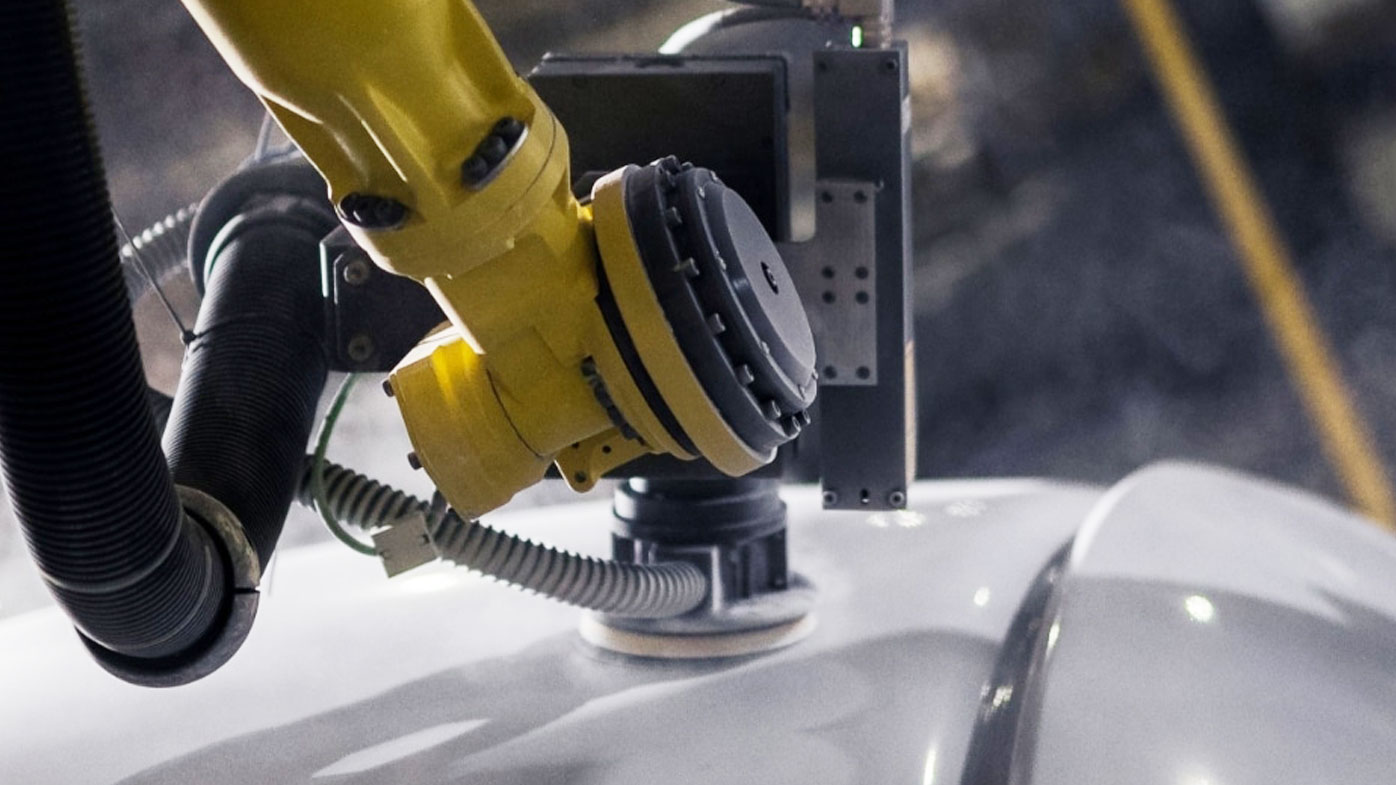
3D Sensing and AI Adaptive Robot Control Advance Aircraft Canopy Maintenance
Aircraft canopies, typically made from acrylic or polycarbonate materials, are critical components that provide pilots with unobstructed visibility while maintaining structural integrity under extreme conditions.
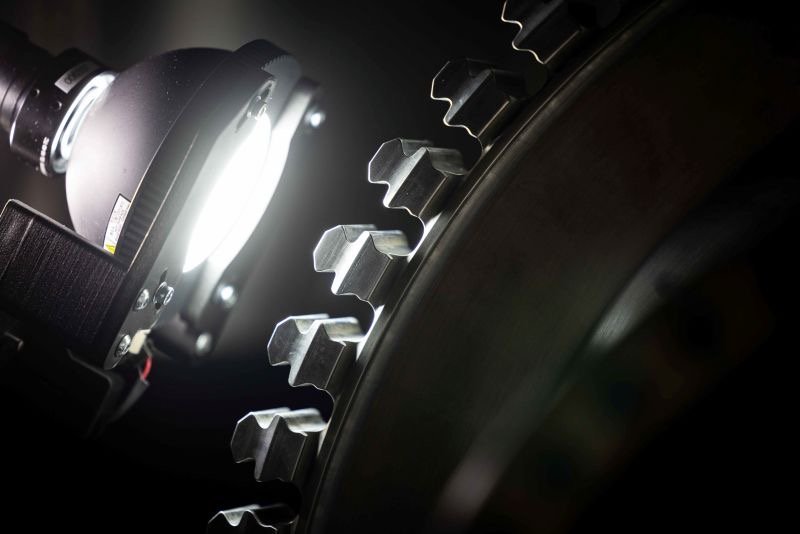
Behind the scenes with GE Aerospace’s robotic jet engine inspectors
The inspection of high-pressure turbines (HPT) is one of the most laborious yet crucial tasks in maintaining an aircraft jet engine.

Personal eVTOL flight testing accelerates under new FAA MOSAIC certification
Imagine operating your personal VTOL out of the driveway and transitioning seamlessly to open skies. With the FAA Modernization of Special Airworthiness Certification (MOSAIC) ruling, the dream of taking off from your home, skipping the congestion of the road, and flying directly to your destination is a step closer to reality.

Battery testing advances target lithium-ion safety in aerospace
The use of lithium-ion batteries to power aircraft is set to expand over the next decade. Drones have used them for many years. The first light training aircraft to use them, such as Pipistrel’s two-seater Velis Electro, are now well-established in the market. Next to be electrified will be general aviation, then regional aircraft as battery capacity increases and hybrid configurations are used.