By Ben Sampson

The use of lithium-ion batteries to power aircraft is set to expand over the next decade. Drones have used them for many years. The first light training aircraft to use them, such as Pipistrel’s two-seater Velis Electro, are now well-established in the market. Next to be electrified will be general aviation, then regional aircraft as battery capacity increases and hybrid configurations are used.
The implication for aerospace engineers is that they must improve their understanding of how lithium-ion battery packs perform in the aeronautical environment.
DENSITY AND DENDRITES
The first lithium-ion batteries were introduced in the 1990s. Since then, cell capacity has roughly increased five-fold for the same volume. More power means more risk. Despite this, battery failures are a sensitive topic. When asked what happens when a lithium-ion battery fails, most engineers involved with them will shy away from using the “e-word”.
“We don’t call it exploding, we tend to call it rapid disassembly,” says Ulrik Grape, president of European operations for 24M Technologies.
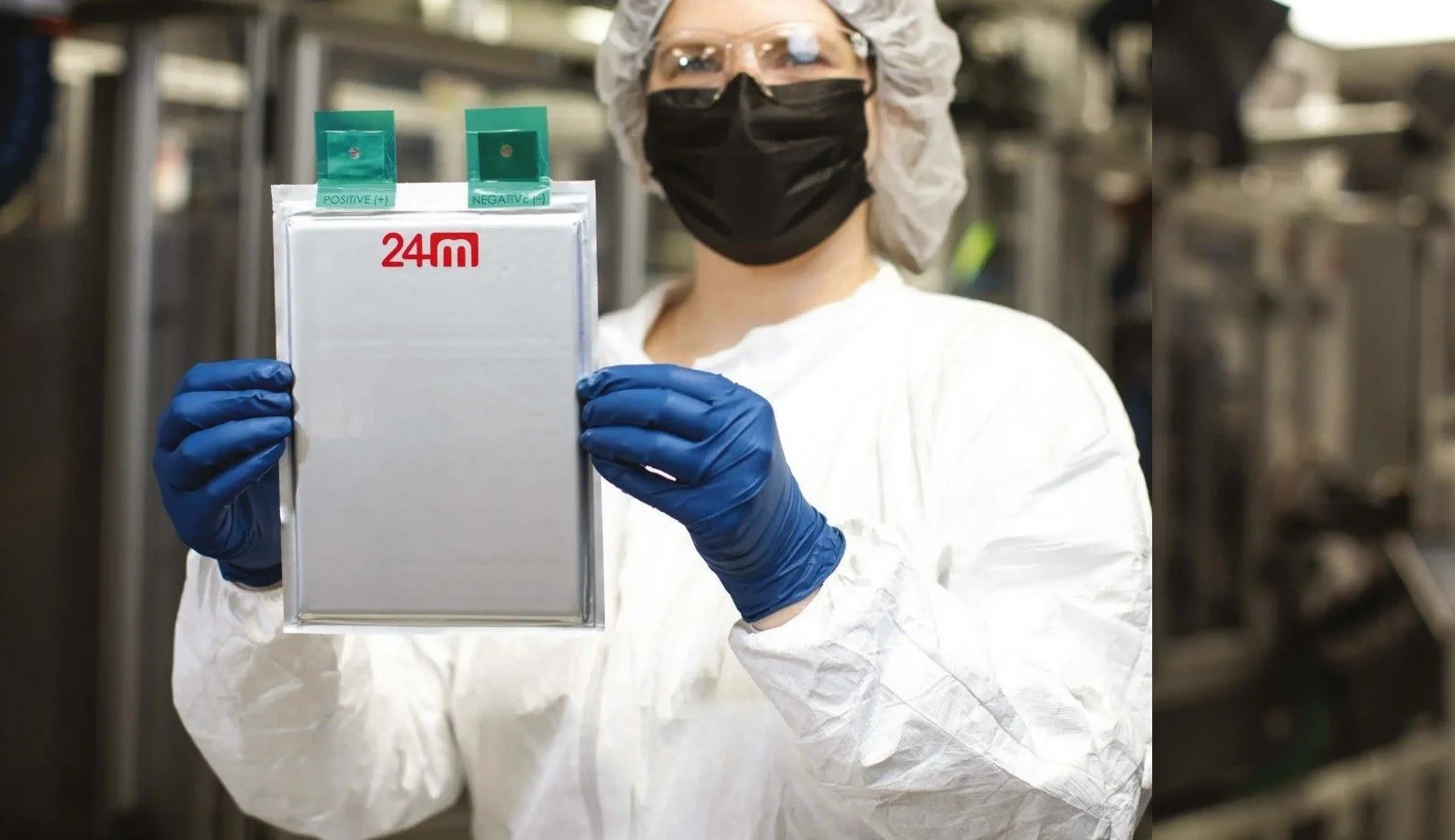
Lithium-ion battery packs perform differently under different environmental conditions, leading to different possible failures
Boston, Massachusetts-based 24M was spun out of MIT in 2010 and develops battery technologies. The company works with battery-makers in the automotive, electronics and aerospace sectors. It has around 200 employees and runs a manufacturing line in Thailand.
“Much more energy is being pushed into the devices today,” says Grape. “Lithium batteries get more stressed if you charge and discharge them very fast, and when they are exposed to low temperatures. Other factors related to manufacturing or assembly of the cells can also contribute to failures.”
As the energy density of cells has increased, so too has the tolerances within them – the space between internal components has reduced. This makes manufacturing harder and failures more likely.
“It could be contamination, poor wiring or connections between the cells – there are multiple possible failure points. But recently, we are seeing more related to internal short circuits and they are difficult to stop from the outside,” says Grape.
Metal contamination inside a cell can, over time, evolve into lithium dendrite growth. Lithium dendrite looks like mossy growth and can occur naturally. According to Grape, it is also more likely when you repeatedly charge or discharge at high rates and in low temperatures. He says, “If the dendrite punctures the separator between the anode and the cathode, it causes a short circuit. That happens in milliseconds, and all you can do after is try to avoid propagation from cell to cell.”
CRASH AND BURN
Comprehensive data about drone crashes is difficult to source. Anecdotally and logically, an increase in commercial drone use is causing an increase in incidents. When a commercial drone crashes, it draws attention. People are rightfully fearful of large drones falling out of the sky.
For example, in May 2025, a Skydio X10 drone operated by the New York Police Department crashed and caught fire on the roof of the 71st Police Precinct in Brooklyn. When the drone crashed, the battery was ejected and caught fire. An investigation revealed that wear to the battery connector had caused the crash.
Via a post on LinkedIn, Adam Bry, CEO of Skydio said, “We have seen instances of this kind of wear in extreme, high-stress internal testing, but this is the first known customer-facing instance of this issue after hundreds of thousands of X10 flights.”
Similarly, in January and October of this year, Amazon MK30 drones were involved in crashes during delivery trials in Oregon and Arizona, resulting in fires. Amazon’s plans for its drone delivery service are ambitious, so incidents are analyzed intensively.
When an aircraft or drone is lifting off, it uses a lot of energy, stressing the battery. During cruise, the battery is stable and unstressed. Landing then requires a lot of power. In those situations, a buildup of dendrite growth can be a failure mechanism.
Grape says, “That isn’t necessarily the failure mechanism of some of the recent incidents we’ve seen, but it’s [dendrite growth] certainly becoming more prevalent. We see that in vehicles and stationary storage applications, this is the main cause of thermal runaway.”
The spreading of fire from cell to cell, known as thermal runaway is the worst-case scenario for a battery pack. Solutions include creating barriers between packs as a preventative measure. Grape believes 24M’s approach, which is to go inside the cell and prevent a fire from starting in the first place, is the best. The company has developed and patented the Impervio separator to act as a barrier within the cell and protect it from dendrites and, together with the battery management system, detect the start of thermal runaway.
Although not yet available, 24M is working with battery cell manufacturers to test and evaluate the technology and has so far found the Impervio does not impact performance.
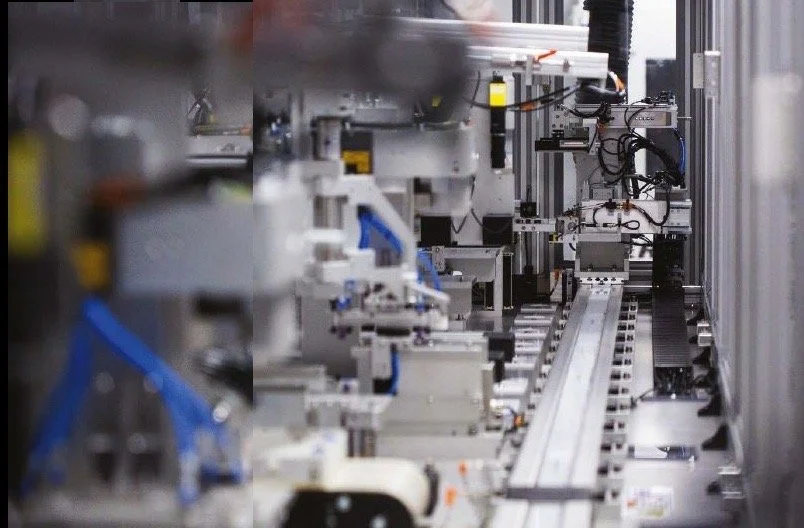
As tolerances with lithium-ion battery cells have increased the risk of manufacturing quality issues rises
MODELING & MAPPING
Meanwhile, engineers still face the challenge of having to select, build and integrate lithium-ion battery packs into aircraft. Startup About:Energy believes they can ease that burden, by using simulation and modeling to remove up front design costs and reduce the physical testing necessary.
At the company’s battery laboratory in London, engineers spend their time testing and measuring battery performance. They are then building 3D models and making data available to aerospace customers to accelerate their use of lithium-ion batteries.
According to Dr Gavin White, CEO and co-founder of About:Energy, thermal runaway is impossible to predict with perfect accuracy at the level engineers care about. The reaction pathways are fixed, yet small, unmeasured variations in materials and local conditions introduce randomness in when and how it occurs. But modeling the onset of it, which occurs between 194°F and 266°F (90°C and 130°C) is possible. He says, “We focus on modeling the criteria that would lead to thermal runaway to help companies avoid that scenario.”
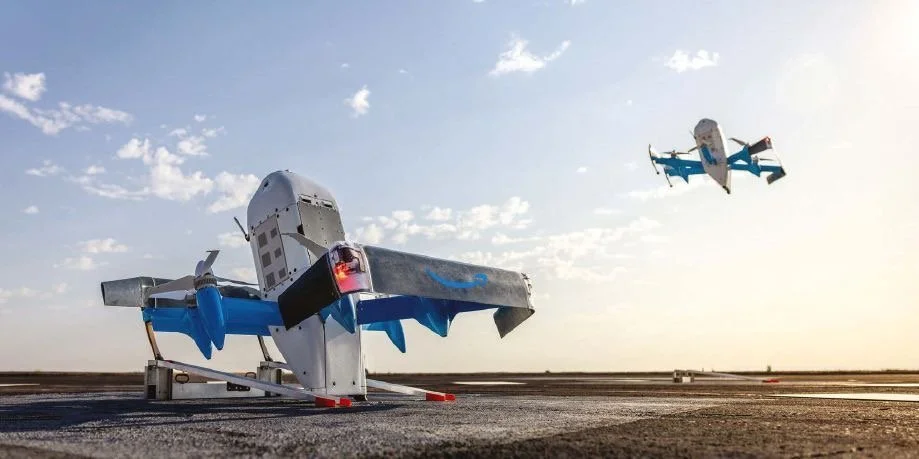
Internet retailer Amazon is flight testing its MK30 delivery drone, and incidents resulting in battery fires have received high levels of media attention (Image: Amazon)
About:Energy works across drones, aviation and space. Dr Kieran O’Regan, chief growth officer and co-founder of About:Energy, says they use the same technology, data and models to assess their batteries in different ways. In aviation, the challenge is certification and understanding a battery system is safe. With drones, it’s usually about maximizing flight time. In a spacecraft, the challenge is understanding degradation, because the battery will spend 10 to 20 years operating in orbit without replacement or maintenance.
O’Regan says, “We work with clients to understand the challenges they’re facing, then help them solve their problems by providing a toolkit of battery data and simulation. We plan a testing program around that.
Performance mapping, pulsing a battery at different rates to work out the maximum power levels it can provide, is crucial to the use of batteries in aviation. “We can produce a digital twin in four to six weeks, but it can take us up to a year if a drone company wants to understand the full longevity of their battery system,” says O’Regan.
“Many airframers can do this work themselves, but it’s not where they want to spend their time. We can do it in less time and at less cost. It’s also useful for smaller companies, which may not have the testing capabilities.”
THE BATTERY DATA VAULT
About:Energy initially worked in the automotive sector with companies including Mercedes and Porsche. When the company started working with aerospace OEMs, it quickly realized a knowledge gap. “We developed our Vaultt simulation platform, a big database of all the different commercial cells in the world,” says White. “Molicel, Samsung, Panasonic, LG – we buy them, test them and put the results into our database.”
Vaultt is offered as a software-as-a-service tool that allows companies to upload a drive cycle, such as power versus time, and compare different batteries. The service is a virtual battery cycler for cell selection.
About:Energy’s client list includes eVTOL developers and drone manufacturer the Quantum Systems group. “We’ve helped them evaluate which batteries will give them the most range. Now we’re looking to help them with developmental challenges, including unlocking the full range from their chosen cell and how to integrate it into a pack to improve its longevity,” says O’Regan.
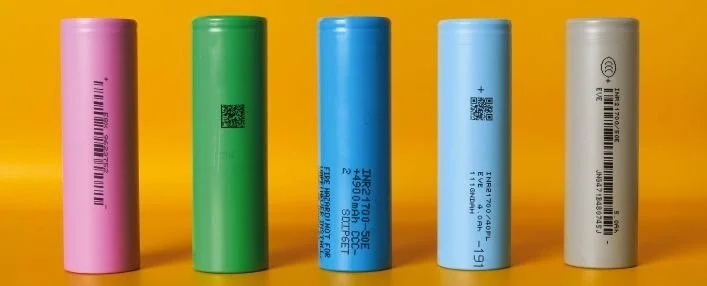
The London, UK based startup works across different battery makers, including Molicell and Amprius (Image: About: Energy)
TESTING LAB
About:Energy’s battery testing laboratory features around 200 high-precision testing channels that can charge and discharge a battery cell and precisely measure the voltage.
Temperature is the key performance factor in the way batteries operate, because it affects the electrochemical reactions happening in the cells. “A battery at 10°C and a battery at 25°C behave very differently,” says White. “We use a custom-built power controller during testing that controls the temperature of the battery really precisely.”
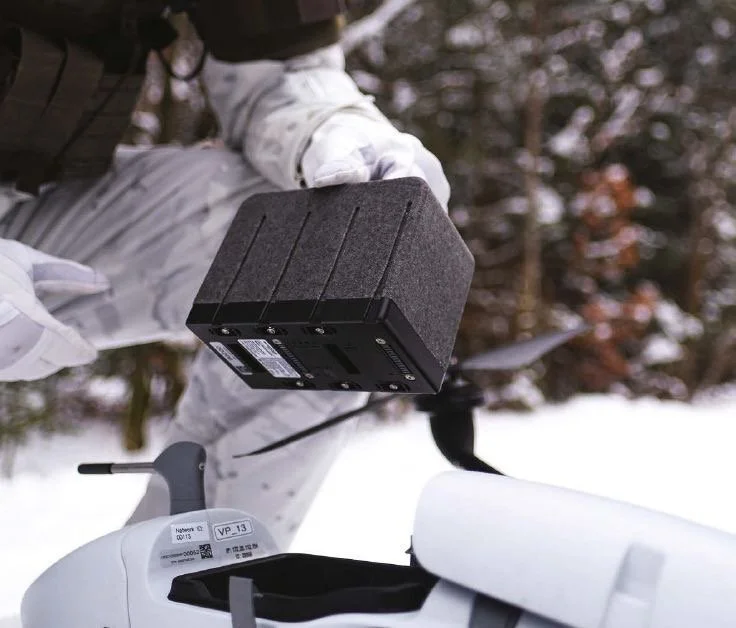
Energy is working with Germany’s EFT Mobility to optimize the integration of its 900 battery into drones (Image: About:Energy)
Engineers do some mechanical tests for validation, using test chambers and vibration tables. When highly precise temperatures are needed, they use Peltier elements, a type of solid-state heat pump.
White says, “We use our existing test data to build models. We then run an optimization routine in a simulation environment to find out the maximum power that can be put through the cell at any given temperature or state of charge. With this we generate a map of the power available in the cell.”
The power map can then tell engineers how much energy can be extracted from battery cells at any point during the flight and at different charge states. “You can do things that you would take forever, with multiple experiments needed,” says White.
Modeling can also help understand and predict cell degradation, another key concern with aviation batteries. Factors such as time spent running at maximum power, temperature and final landing charge affect the lifetime of lithium-ion battery packs. Engineers can spend months fine-tuning for these different factors. “It requires collecting a significant amount of data,” O’Regan says.
The company is able to leverage the bank of data it has about lithium-ion batteries to save time. O’Regan says, “We test hundreds of batteries and variants across all these different use cases, so customers don’t have to.
“It’s laborious, but every aviation company is doing similar tests to achieve similar outcomes. We can reduce that workload, search with the parameters they require more extensively and prolong battery lifetime.”
In aviation, where the use of lithium-ion batteries set to increase, familiarity with the designs and the electrochemical processes happening inside them will only become more necessary and valuable.