When it comes to complex products, shorter production cycles, and zero-defect expectations, end-of-line (EOL) inspection has become the final—and often most critical—gatekeeper of quality. Traditional approaches, whether manual visual checks or sampling-based coordinate measuring machine (CMM) inspections, struggle to deliver 100% verification at line speed. Enter AI-powered machine vision: a transformative technology that automates complex visual and functional assessments with unprecedented accuracy, flexibility, and speed.
Leading industrial camera manufacturer IDS Imaging Development Systems (www.ids-imaging.com) provides the robust hardware and ecosystem that make this possible. From compact uEye series cameras to fully embedded IDS NXT AI systems, IDS solutions—often paired with partner AI software like “auros for quality” or DENKnet—are enabling manufacturers to move beyond rule-based limitations and embrace intelligent, adaptive quality control. For CMM Quarterly readers, this represents not replacement of precision metrology but powerful complementarity: AI vision delivers real-time, non-contact 100% inspection of appearance, completeness, and functionality, while CMMs provide the gold-standard dimensional verification for process validation or flagged parts.
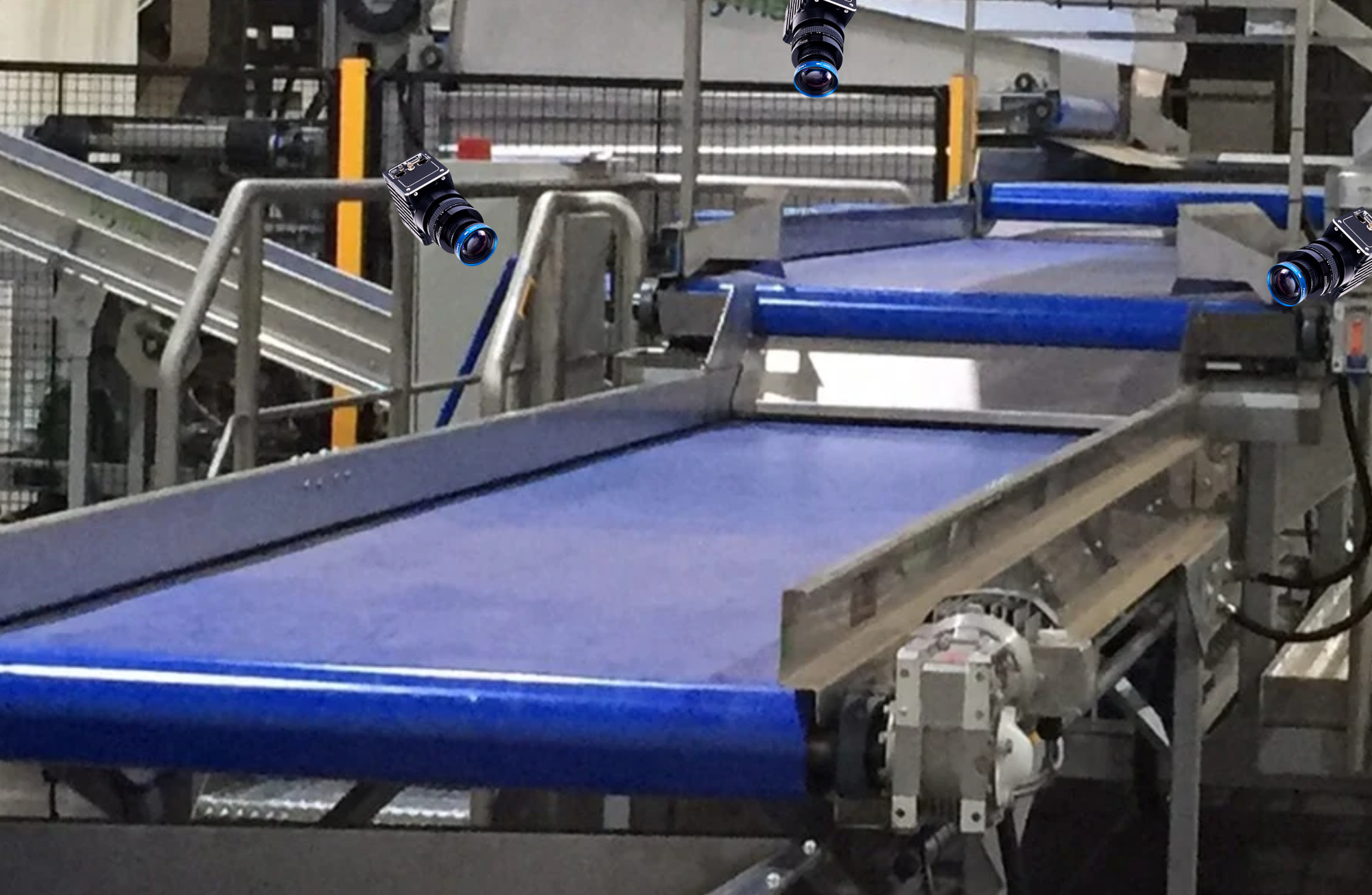
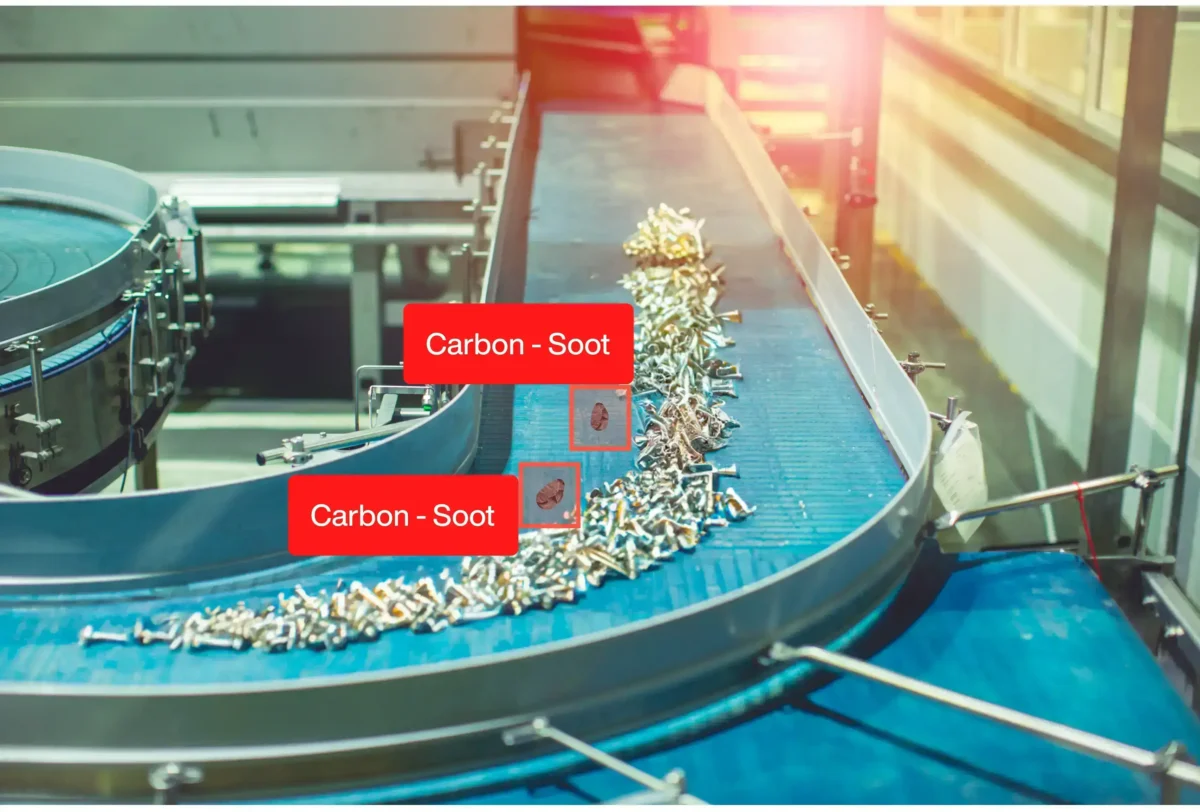
The Limitations of Conventional EOL Inspection
High-mix manufacturing—think automotive lighting with dozens of variants, multi-chamber lamps, or complex mechanical assemblies—exposes the weaknesses of legacy methods. Human inspectors fatigue quickly, miss subtle defects, and cannot keep pace with high-throughput lines. Rule-based machine vision systems excel at simple tasks (e.g., presence/absence of a single feature under controlled lighting) but falter when parts vary in orientation, surface finish, lighting conditions, or contamination levels. Sampling with CMMs, while highly accurate for geometric tolerances, is inherently offline, time-intensive, and cannot scale to every single unit in high-volume production.
The result? Escaped defects, costly rework, customer complaints, and production bottlenecks. Manufacturers need a solution that combines the adaptability of human vision with the consistency and speed of automation—exactly what AI-powered systems deliver.
How AI Transforms Machine Vision
Deep learning models, particularly convolutional neural networks (CNNs), learn directly from example images rather than hand-crafted rules. Trained on representative “good” and “bad” samples, these systems detect anomalies, classify objects, verify functionality, and even handle previously unseen variations. Critical to success is high-quality image capture: sharp resolution, excellent dynamic range, and reliable performance under real production conditions.
IDS cameras meet these demands with industrial-grade sensors, compact housings, and interfaces (USB 3, GigE) optimized for machine vision. Software ecosystems like IDS peak simplify integration, while tools such as IDS Lighthouse enable straightforward neural network training and deployment.
Spotlight on IDS NXT: Embedded AI for Edge Intelligence
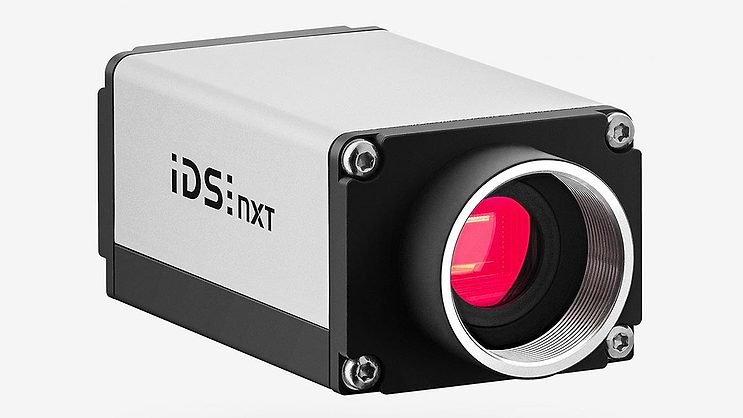
For applications requiring minimal footprint and ultra-low latency, IDS offers the IDS NXT platform—intelligent cameras with onboard AI inference engines. These “smart” cameras run trained neural networks directly on the device (using a powerful Deep Ocean Core processor), eliminating the need for external PCs in many cases. Users can train models with limited images via intuitive no-code/low-code tools, then deploy ready-to-run apps for classification, object detection, or anomaly detection.
Industry-standard interfaces (OPC UA, REST, MQTT) ensure seamless integration into factory automation and MES systems. The result is a complete, cost-effective embedded vision solution ideal for EOL stations where space is tight and real-time decisions are essential.
Real-World Impact: IDS in Action
One compelling example comes from the automotive sector. Aspöck Systems, a leading manufacturer of vehicle lighting for commercial and agricultural vehicles, faced the challenge of inspecting multi-chamber rear lamps at end-of-line. Each lamp contains multiple independently controlled segments (indicators, brake lights, position lights, etc.) across numerous variants. Traditional functional testing was manual, slow, and error-prone under varying ambient lighting, dust, and positioning.
The solution, developed with system integrator Danube Dynamics and “auros for quality” adaptive AI software, uses two compact IDS uEye XCP USB 3 cameras (5 MP resolution based on the AR0521 sensor, known for excellent low-light performance). Lamps are positioned on the test bench, and a controller activates each chamber in sequence while the cameras capture synchronized images. The AI evaluates illumination patterns, brightness, positioning, and completeness in real time—robust against orientation shifts, surface contamination, and lighting variations. Processing occurs locally on an industrial PC for low latency and data security. Parallel test stations and overlapping cycles maintain high throughput.
Key advantages include rapid retraining for new lamp variants (often in minutes), full traceability with logged images and results, and a user-friendly HMI for operators. The system has dramatically reduced manual effort while virtually eliminating false rejects and escapes.
Another IDS-powered solution is the “Deep Learning Inspector,” which automates visual EOL inspection of complex assemblies using uEye GigE Vision cameras. Multiple inspection features—presence of components, correct assembly, surface defects—are checked simultaneously with high reliability. Additional deployments include large-scale surface final inspection using dozens of uEye XC autofocus cameras, delivering consistent results across wide areas without mechanical adjustments.
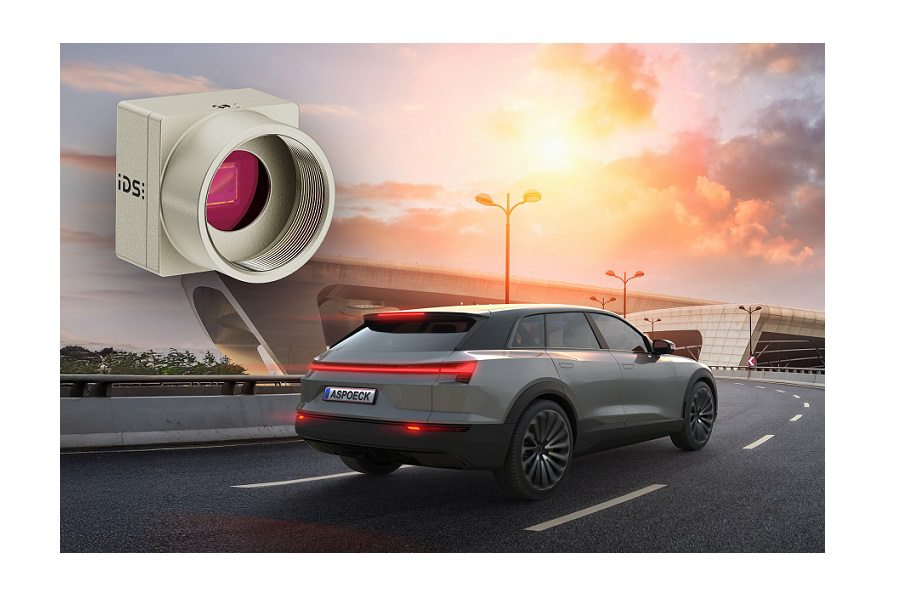
Image: www.pandct.com
Technical Edge and CMM Complementarity
What sets IDS solutions apart is the synergy of hardware and software. uEye XCP cameras offer 5 MP resolution in an ultra-compact, robust housing—perfect for space-constrained production lines. Their high frame rates and global shutter sensors ensure blur-free images of moving or sequentially activated parts. When paired with adaptive AI, the system tolerates real-world production variability far better than traditional rule-based vision.
For CMM users, the integration is natural and powerful. AI vision provides 100% inline screening for visual, surface, and functional attributes at production speed. Parts that pass proceed; flagged units route to a CMM station for precise 3D metrology to confirm or diagnose dimensional issues. This hybrid approach maximizes throughput while maintaining metrological rigor—ideal for industries like automotive, aerospace, and precision engineering where both appearance/function and geometric tolerances matter.
Data from vision systems also feeds back into process improvement: trends in defects can trigger upstream adjustments, creating a closed-loop quality ecosystem fully aligned with Industry 4.0 principles.
Quantifiable Benefits and ROI
Manufacturers adopting these systems report:
Near-100% defect detection rates (e.g., >99% for certain surface inspections with DENKnet AI)
Significant reduction in customer complaints and warranty claims
Faster cycle times through automation and parallel processing
Lower labor costs and reduced reliance on skilled inspectors
Improved traceability and compliance documentation
Rapid adaptability to product changes without hardware redesign
Edge processing keeps sensitive image data on-site, addressing cybersecurity and privacy concerns common in connected factories.
Looking Ahead
As AI models become more efficient and cameras more powerful (higher resolutions, better low-light, integrated 3D capabilities), EOL inspection will evolve toward predictive quality—identifying potential issues before they become defects. Fully embedded systems like IDS NXT will proliferate, enabling “zero-footprint” smart stations. Integration with robotic handling, digital twins, and advanced analytics will further blur the line between inspection and process control.
For CMM professionals, the message is clear: AI vision is not a competitor but an essential ally. Together, they deliver comprehensive, efficient, and intelligent quality assurance that meets the demands of modern manufacturing.
Conclusion
AI-powered end-of-line inspection, powered by innovative solutions from IDS Imaging, is fundamentally redefining quality control. By combining world-class industrial cameras with accessible deep-learning tools, manufacturers achieve levels of consistency, speed, and flexibility once unimaginable. Whether inspecting automotive lamps, complex assemblies, or high-precision components, the technology delivers measurable ROI while complementing the precision of CMM metrology.
As production complexity continues to rise, those who embrace AI vision at the finish line will not only meet today’s quality standards—they will set tomorrow’s.
All technical details and case studies drawn from publicly available resources at www.ids-imaging.com, including case studies on automotive EOL inspection, Deep Learning Inspector applications, and IDS NXT platform documentation.