For CMM Quarterly
In the rapidly evolving landscape of smart manufacturing, Coordinate Measuring Machines (CMMs) are undergoing their most significant transformation yet. Artificial Intelligence (AI) and Machine Learning (ML) are moving CMMs beyond traditional programmed inspection into autonomous, predictive, and adaptive systems. What once required hours or days of expert programming can now be generated in minutes. Data analysis is shifting from post-process reporting to real-time predictive quality intelligence.
As of March 2026, leaders like Hexagon, ZEISS, and Mitutoyo are delivering practical, production-proven AI solutions that address the critical metrologist shortage while delivering dramatic gains in speed, consistency, and insight.
Autonomous Program Generation – The Biggest Breakthrough
The most impactful AI application is automated CMM program creation.
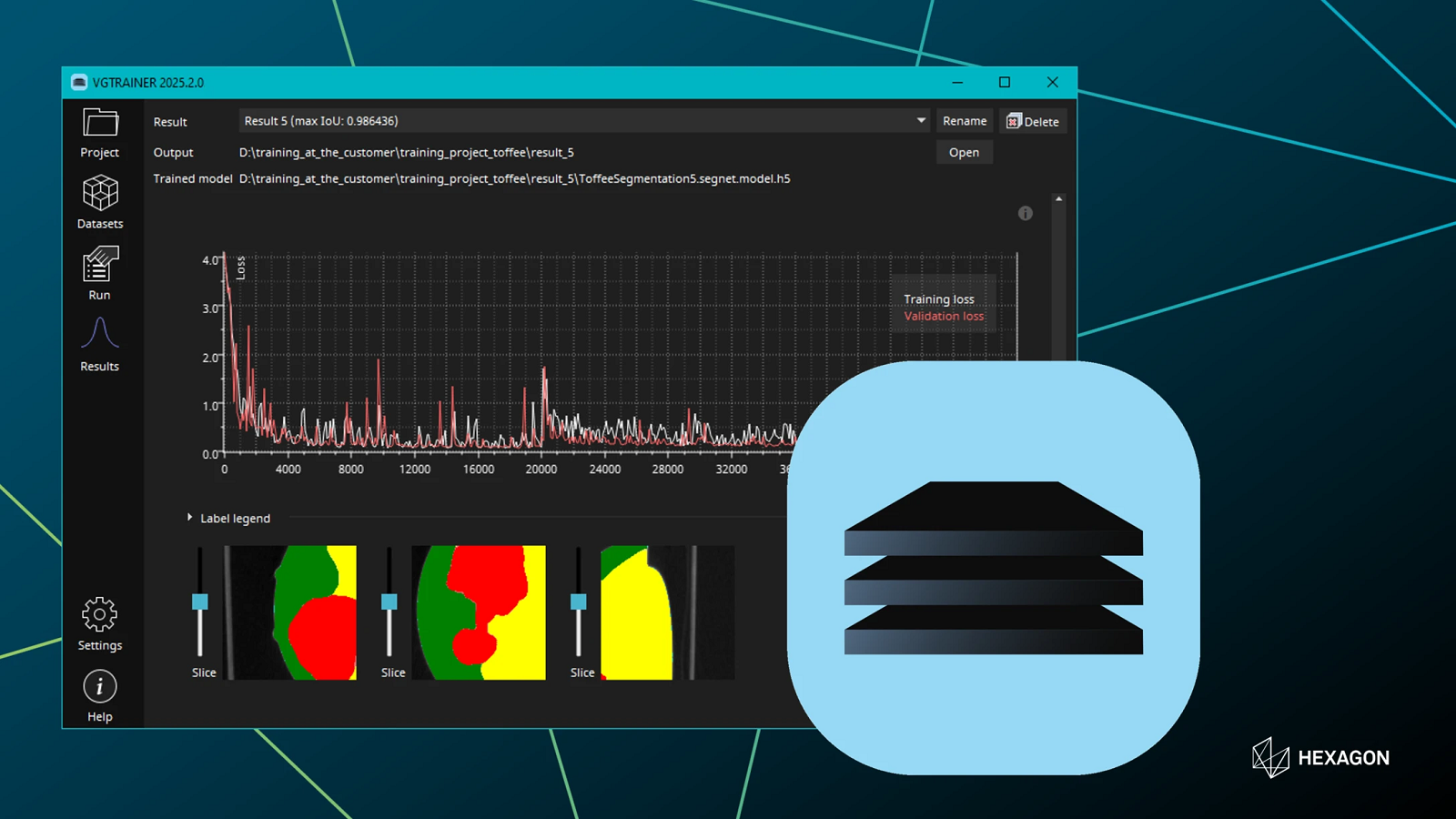
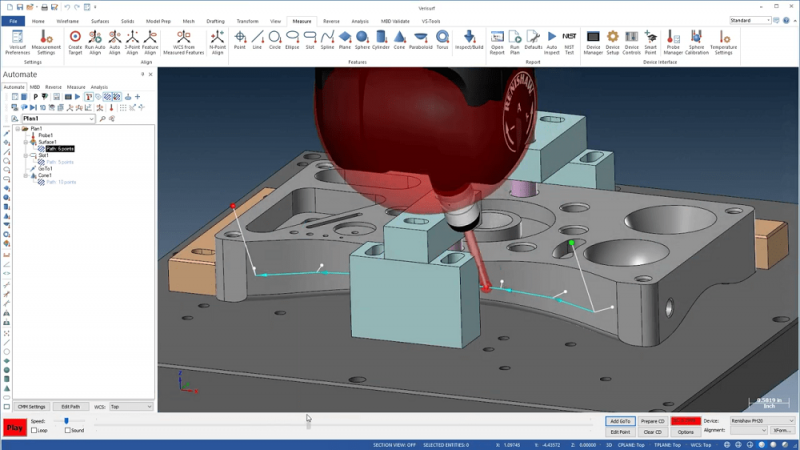
Hexagon’s Metrology Mentor, part of the Autonomous Metrology Suite on the Nexus platform, stands at the forefront. This AI-powered application automatically generates complete, collision-free, ISO- and ASME-compliant inspection programs directly from native CAD models containing Product Manufacturing Information (PMI). No-code interfaces reduce traditional multi-step programming to just a few clicks, delivering consistent measurement strategies across global facilities and operators of varying skill levels. Programs export seamlessly to PC-DMIS for execution on Global S, Tigo, MAESTRO, and other CMMs.
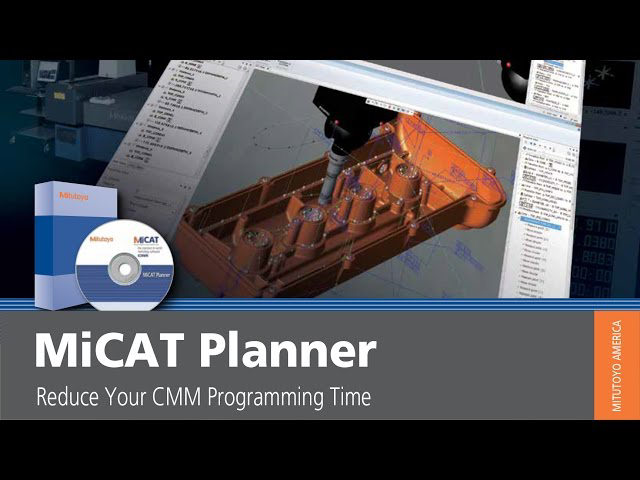
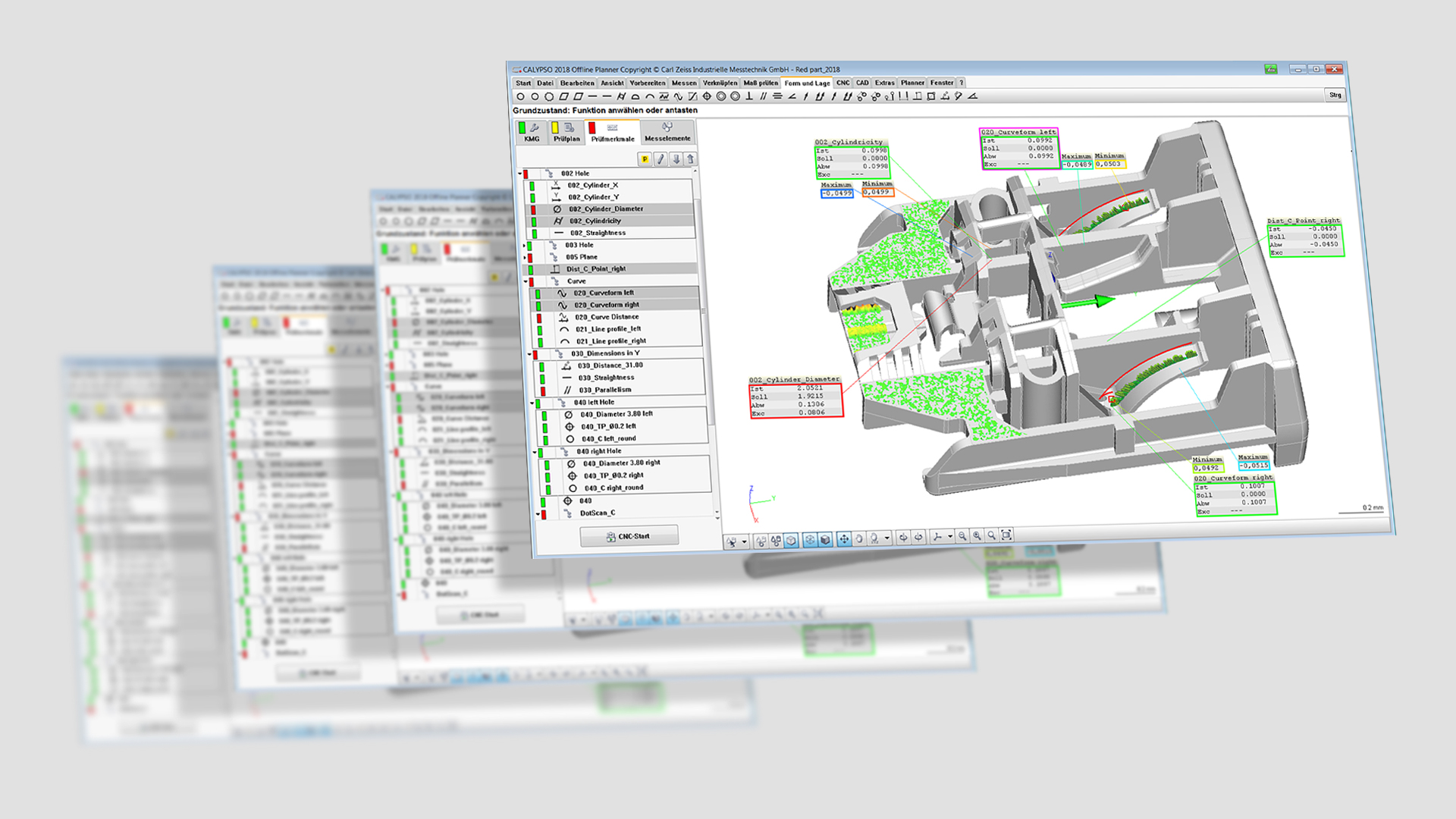
Mitutoyo’s MiCAT Planner reads GD&T and PMI directly from 3D CAD models and automatically generates complete, collision-avoiding measurement programs — routinely cutting programming time by 65–95%. ZEISS CALYPSO uses sophisticated AI for automatic geometric element recognition, intelligent coordinate system establishment, and optimal scanning strategy selection from PMI data.
These tools free skilled metrologists from repetitive tasks, dramatically increasing CMM utilization rates.
Intelligent Path Planning and Multi-Sensor Optimization
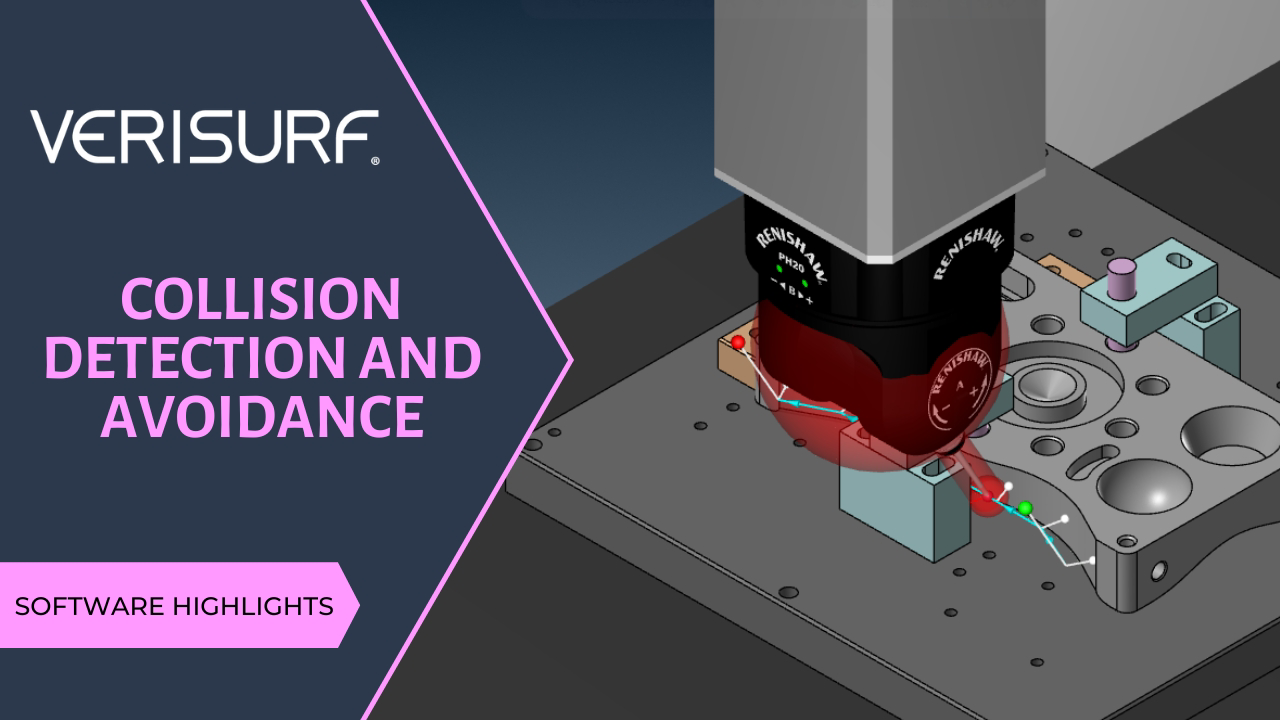
Once programs are generated, AI continues to add value during execution. Advanced algorithms calculate the most efficient, collision-free probe paths while considering machine kinematics, part fixturing, and environmental conditions. Dynamic strategy selection determines optimal point counts, probing angles, and speeds based on feature type, tolerance, and material.
In multi-sensor CMMs, machine learning automatically chooses between tactile probing, laser scanning, or optical measurement for each feature — balancing speed and accuracy without operator intervention. These optimizations routinely reduce measurement cycle times by 20–50% while maintaining or improving accuracy.Wmdea“LARGE”m9fpw“LARGE”
Advanced Data Analysis, Anomaly Detection & Predictive Quality
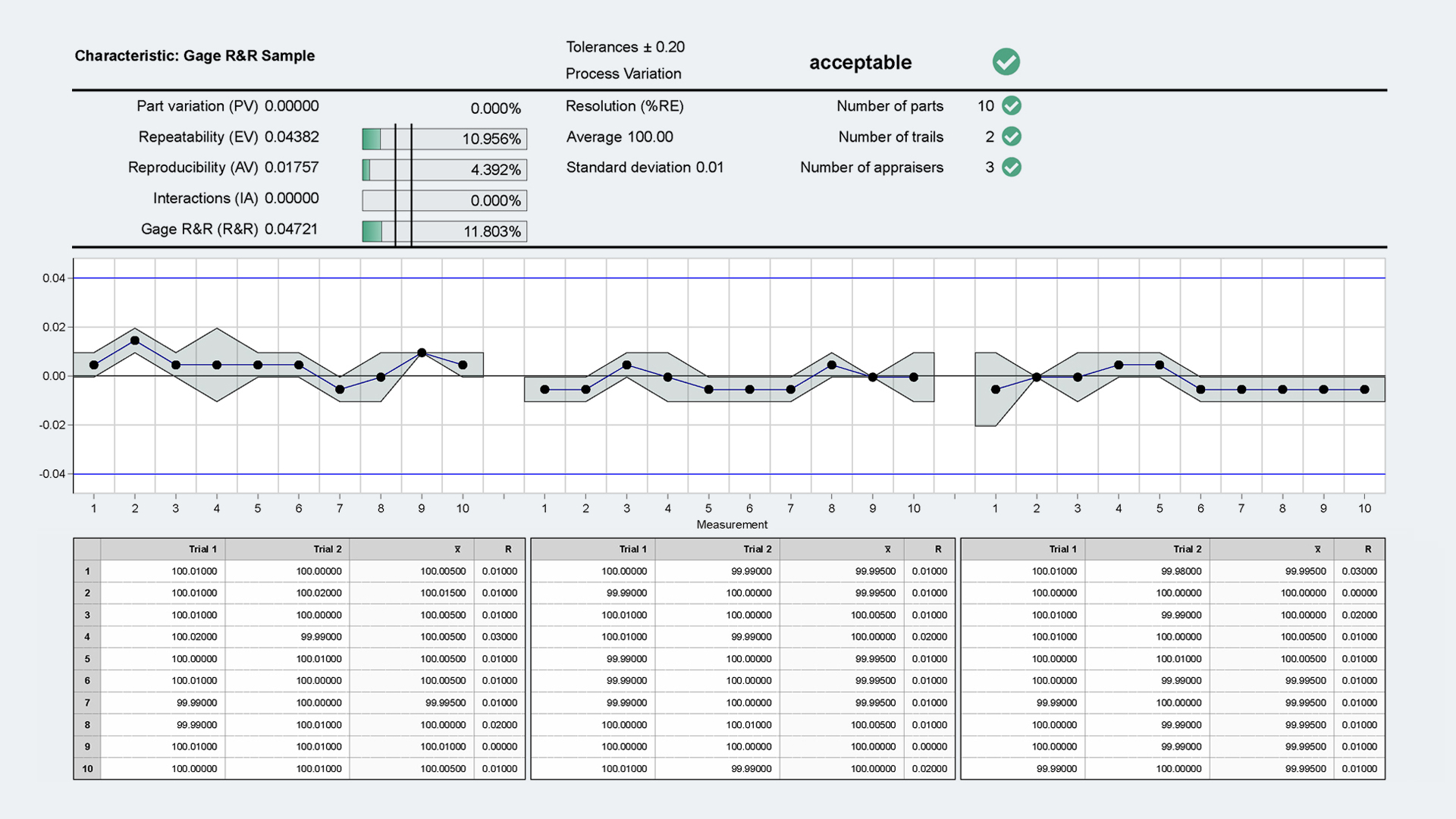
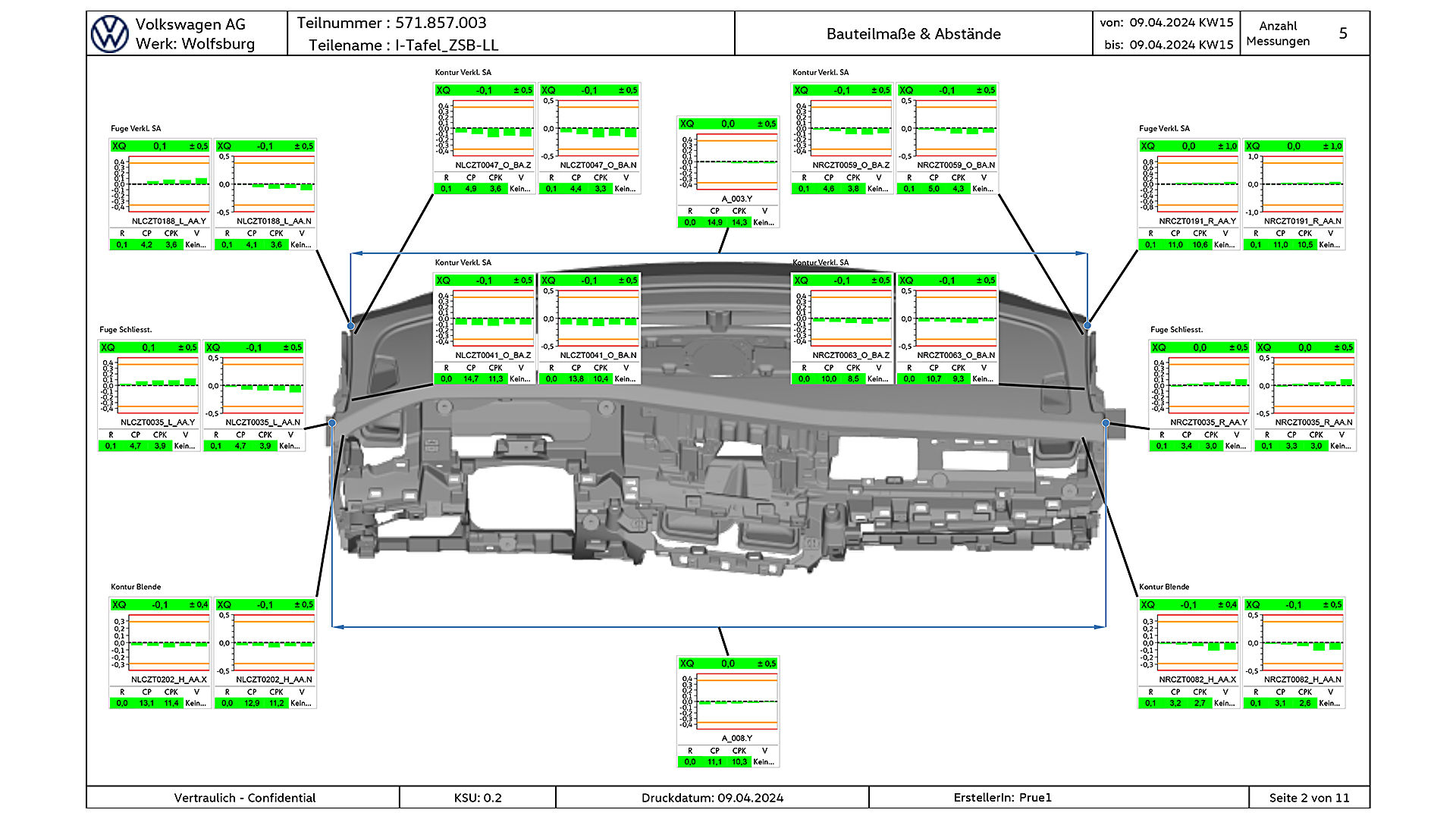
AI transforms raw measurement data into actionable manufacturing intelligence in real time:
Automatic anomaly detection flags unusual variations far earlier than traditional SPC
Trend analysis correlates measurement results with upstream process parameters
Closed-loop feedback systems automatically suggest or implement corrections to CNC or additive machines
ZEISS PiWeb and equivalent platforms now incorporate AI for real-time process drift prediction and generative report summarization. The result is movement toward true zero-defect manufacturing with significantly reduced scrap and rework.
AI Defect Detection in Volumetric Inspection
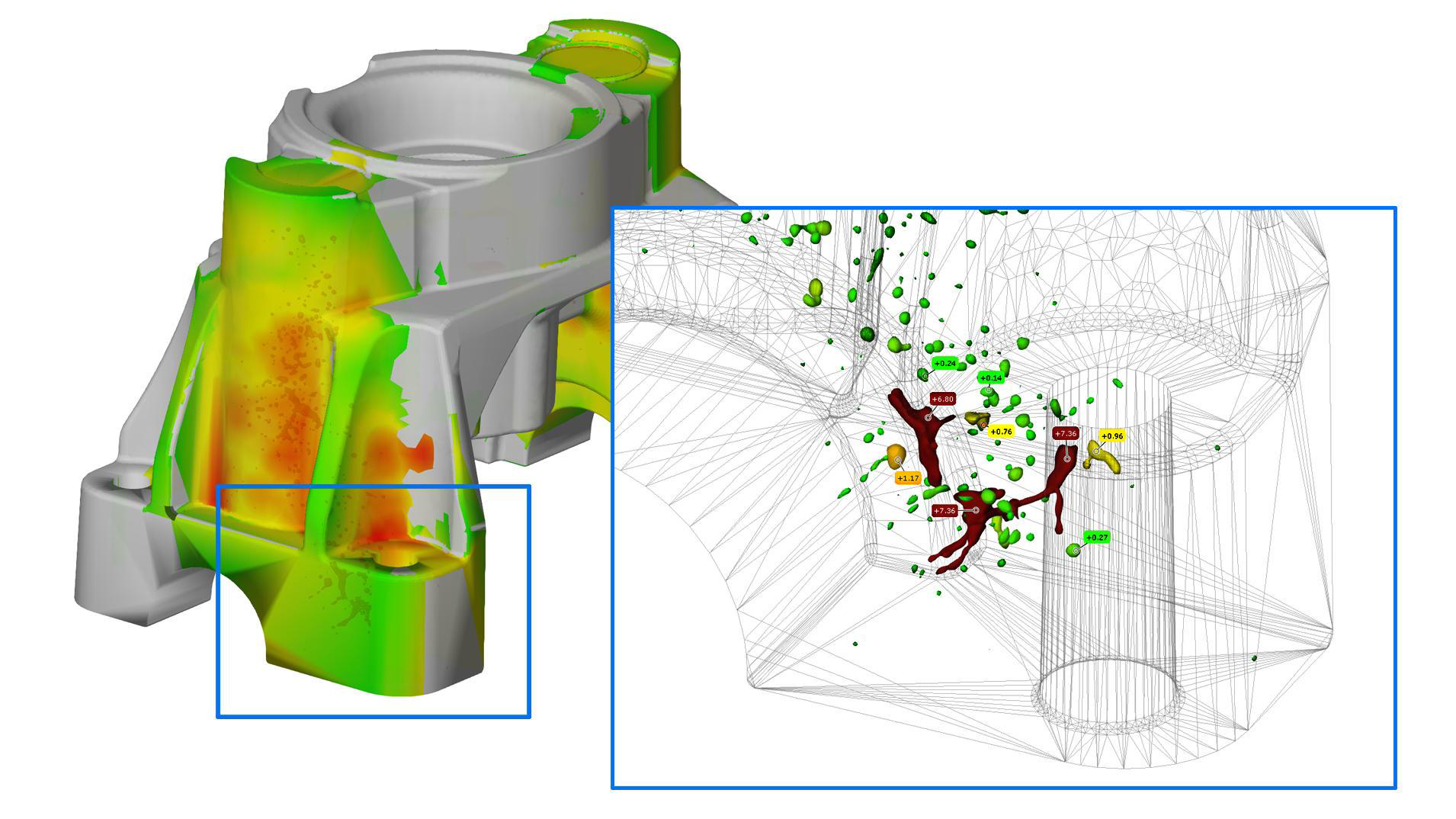
ZEISS has pioneered powerful AI applications in computed tomography (CT). Their ZEISS Automated Defect Detection (ZADD) uses deep learning to automatically identify, segment, and classify internal defects (pores, inclusions, cracks) even in noisy CT datasets. This dramatically accelerates what was previously manual evaluation while improving detection reliability for safety-critical aerospace, medical, and automotive components.
Predictive Maintenance for CMM Systems
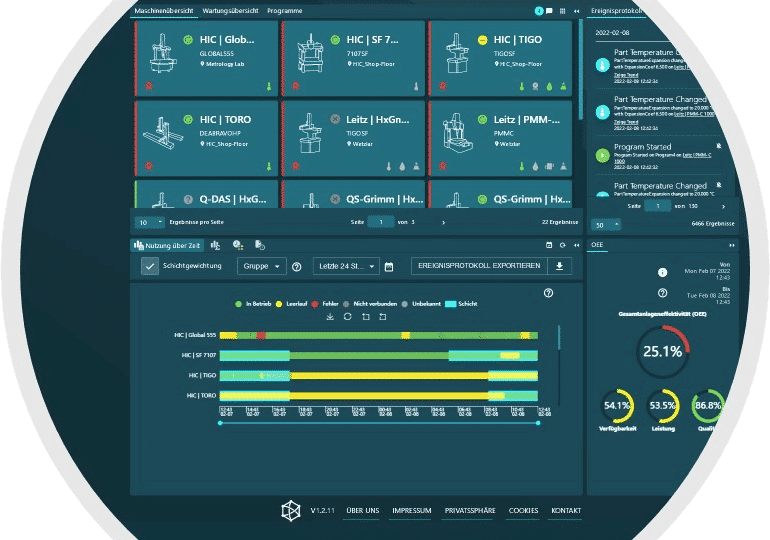
AI is also being applied directly to the CMMs themselves. Systems monitor vibration signatures, motor currents, probe performance, thermal stability, and axis accuracy trends to forecast maintenance needs before accuracy is compromised. Hexagon’s Metrology Asset Manager and similar IoT/ML solutions shift from calendar-based to condition-based service, maximizing uptime and protecting measurement integrity.
AI in Portable CMMs – Intelligence Goes Mobile
The revolution extends to portable systems. Articulated arms, laser trackers, and handheld scanners now feature AI-driven automatic feature recognition, real-time alignment, anomaly flagging, and AR-guided measurement paths. This makes field service, reverse engineering, and large-part inspection faster, more repeatable, and accessible to less-experienced operators.
Quantifiable Benefits and ROI
Early adopters report:
70–95% reduction in CMM programming time
20–50% faster inspection cycles
Significant scrap and rework reduction through closed-loop control
Higher CMM utilization and consistent results across global plants
Challenges on the Journey to Full Autonomy
While transformative, AI in metrology faces hurdles: the need for high-quality training data, explainability of decisions in regulated industries, integration with legacy systems, and workforce upskilling for human-AI collaboration. Cloud-hybrid architectures and intuitive interfaces are rapidly lowering these barriers.
The Road Ahead
By 2028–2030, expect generative AI that reviews CAD models and suggests design-for-metrology improvements, fully autonomous robotic CMM cells that adapt strategies on the fly, and deeper digital-thread integration with MES and digital twins.
Conclusion
AI is fundamentally changing the role of CMMs from passive measuring devices to active participants in the intelligent factory. Far from replacing metrologists, these tools augment human expertise, freeing skilled professionals for higher-value problem-solving and process improvement.
For manufacturers serious about competitive quality control in the Industry 5.0 era, adopting AI-powered CMM technology is no longer optional — it is the new standard of precision metrology. The intelligent CMM has arrived, and it is redefining what “measured” really means.