By Mark Boucher - CMM Quarterly
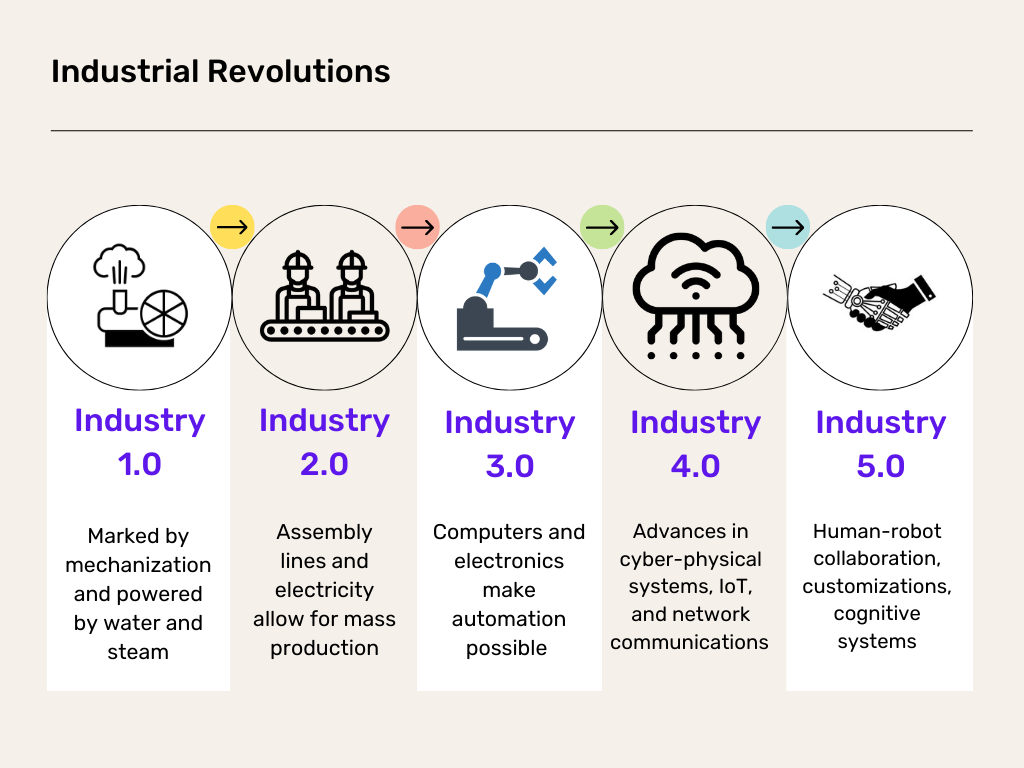
As manufacturing evolves into the era of Industry 5.0, Quality 5.0 emerges as a transformative paradigm, shifting from reactive to proactive quality management. Building on the digital foundations of Quality 4.0, this next phase emphasizes human-centric approaches, sustainability, and seamless human-AI collaboration to enhance efficiency, reduce defects, and foster resilient production systems. In 2025, advancements in Quality 5.0 are driven by technologies like AI, big data analytics, and cyber-physical systems, enabling predictive quality control and real-time decision-making. This article delves into the key developments, their implications for manufacturing, and the future trajectory of this innovative framework. “Timeline illustrating the evolution from Industry 1.0 to 5.0, highlighting the shift to human-robot collaboration in Quality 5.0.” “CENTER” “LARGE”
Understanding Quality 5.0 in the Context of Industry 5.0
Quality 5.0 represents a significant evolution from Quality 4.0, which focused on data-driven insights within Industry 4.0. While Quality 4.0 leveraged IoT and automation for efficiency, Quality 5.0 integrates advanced technologies with human ingenuity, prioritizing sustainability, societal well-being, and proactive defect prevention. This human-centric model redefines quality assurance by fostering collaboration between workers and intelligent systems, ensuring that technological advancements enhance rather than replace human roles.
In turbulent times, Quality 5.0 addresses societal challenges by evolving quality paradigms to include ethical considerations, environmental impacts, and adaptive strategies. It moves quality professionals from data analysts to strategic data managers, utilizing tools like AI for elevated decision-making and overcoming digital transformation hurdles.
Key Technological Advancements Driving Quality 5.0
Advancements in Quality 5.0 are powered by a suite of cutting-edge technologies that enable proactive, intelligent quality control.
AI and Predictive Analytics
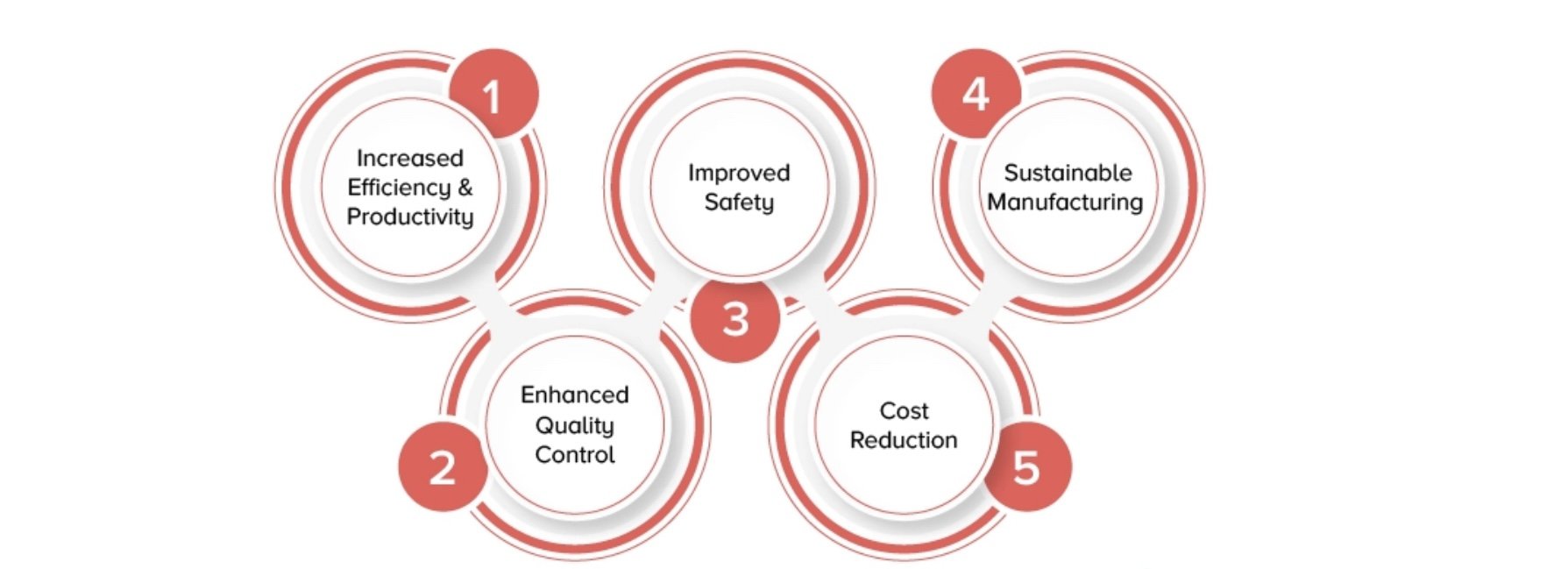
AI is central to Quality 5.0, facilitating predictive maintenance, anomaly detection, and real-time quality adjustments. For instance, AI-powered computer vision systems have reduced defect rates dramatically, as seen in applications where plywood manufacturers achieved reductions from 2% to 0.1%. Big data analytics processes vast datasets to identify trends and correlations, allowing for preventive measures and minimizing process deviations. In 2025, these tools are expected to cut downtime by up to 40% through Quality 4.0 extensions into 5.0 frameworks. “Infographic showing advantages of Industry 5.0 in manufacturing, including enhanced quality control.” “LEFT” “SMALL”
Cyber-Physical Systems (CPS) and Human-Cyber-Physical Systems (HCPS)
CPS integrates physical processes with computational intelligence, creating smarter environments for automated quality checks via IoT sensors. Advancing to HCPS, this technology promotes deep human-machine integration, optimizing production while improving safety and employee satisfaction. It supports green manufacturing by enhancing resource utilization, aligning with Industry 5.0’s sustainability goals.
Sustainability and ESG Integration
Quality 5.0 embeds environmental, social, and governance (ESG) factors into quality frameworks, promoting sustainable practices like waste reduction and ethical sourcing. This trend synergizes operational excellence with corporate responsibility, with organizations leveraging advanced analytics for ESG compliance and carbon neutrality. 8 In manufacturing, this leads to resilient supply chains and reduced environmental footprints.
Customer-Centric and Agile Approaches
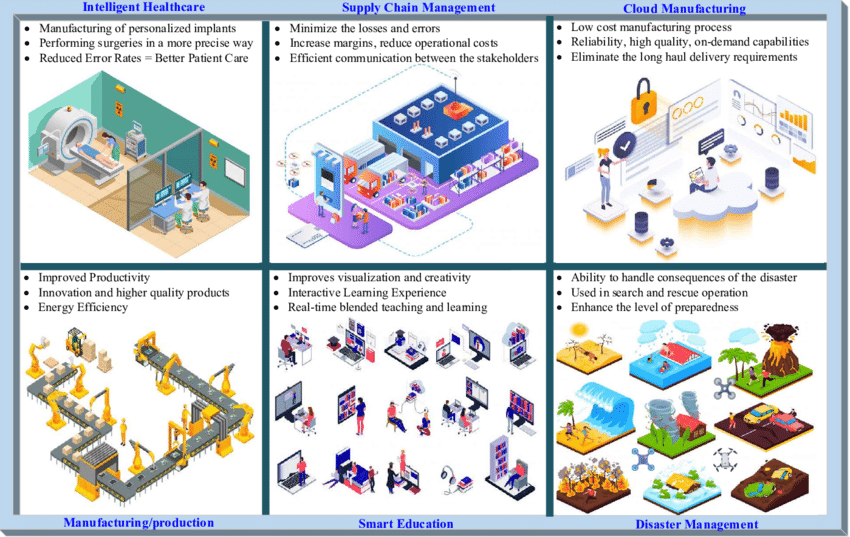
Quality 5.0 places customers at the core, using AI to analyze feedback and personalize offerings, potentially boosting satisfaction by 20%. Agile methodologies adapt quality processes to dynamic markets, emphasizing flexibility and rapid iterations. Remote audits and real-time CX integration further streamline operations, aggregating data from diverse sources for comprehensive insights. “Diagram of Industry 5.0 applications, emphasizing quality enhancements through technology integration.” “RIGHT” “SMALL”
Challenges and Future Outlook
Despite its promise, implementing Quality 5.0 faces hurdles like standardization, interoperability, and workforce upskilling. However, the market’s growth—from USD 14.31 billion in 2025 to USD 19.03 billion by 2030—underscores its potential. Future advancements will likely deepen AI-machine learning integration, expand XR for training, and enhance resilience in sectors like EVs and smart cities. Bibliometric studies highlight a shift from theory to practical applications, with emphasis on human-machine synergy.
In conclusion, Quality 5.0 advancements are revolutionizing manufacturing by blending technology with human values, paving the way for sustainable, efficient, and innovative production. As industries adopt these trends, they position themselves for long-term success in an increasingly complex global landscape.

